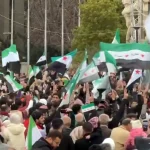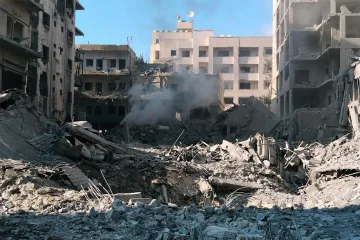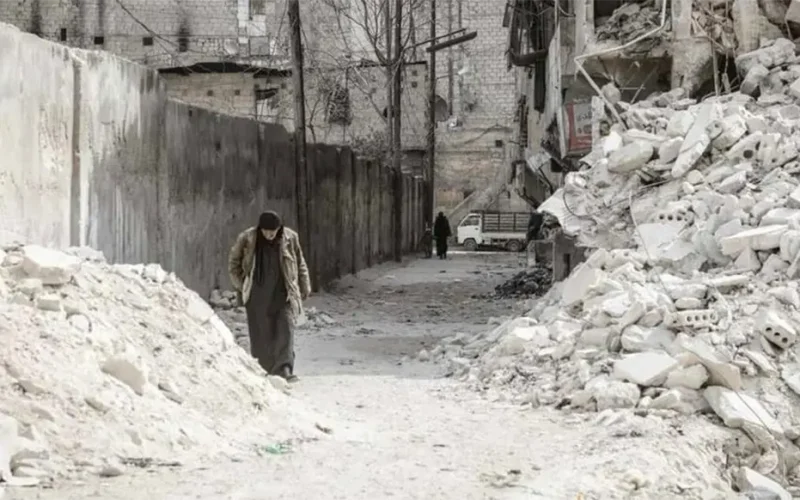
THE historic power shift in Syria and the still volatile situation two days after the fall of Bashar al-Assad’s regime have increased humanitarian needs in a country where nearly 17 million people, including millions of internally displaced, already depended on humanitarian aid before the recent events, UN aid teams said on Tuesday.
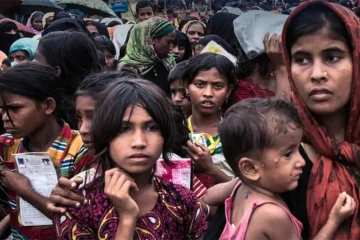
Since 28 November, “more than one million people – mostly women and children – have been displaced across Idlib, Aleppo, Hama and Homs. Some have reportedly been gone returning home in recent days,” said Jens Laerke, spokesperson for the UN Office for the Coordination of Humanitarian Affairs (OCHA) to journalists in Geneva on Tuesday.
The OCHA spokesperson also noted that humanitarian operations in affected areas including Homs, Hama, and Damascus have recommenced. “As of yesterday, all humanitarian organizations in Idlib and northern Aleppo have resumed operations”, Mr. Laerke said, adding that the three border crossings from Türkiye used by the UN to deliver assistance into Syria have remained open.
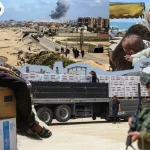
UN agencies and partners are providing basic assistance in the northwest, including to those newly displaced; food, health and nutrition services have been provided, as well as support for access to clean water in Aleppo. But health facilities are reportedly overwhelmed, with major hospitals operating at limited capacity owing to shortages of staff, medicine and supplies. Humanitarian partners continue to provide trauma care, maintain blood banks and administer vaccinations.
“Money is, as always, an issue. Our $4 billion appeal for this year is currently less than a third funded”, Mr. Laerke emphasized.
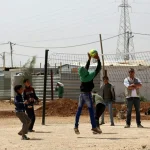
According to the UN refugee agency (UNHCR), seven million Syrians have been displaced internally, and more than five million have fled to neighbouring countries and beyond, uprooted by almost 14 years of war. That represents half of the country’s pre-war population of 23 million.
For those forced to flee, “they are considering how safe Syria is to return to, and how far their rights will be respected before they can make an informed, voluntary decision to return home. They must be given the space to do so without any pressure”, insisted Shabia Mantoo from the UN refugee agency. She reiterated that all refugees have the fundamental right to return to their country of origin at a time of their choosing, and overturns must be voluntary, dignified and safe.
Asked about the decisions by host countries in Europe to suspend decisions on Syrian asylum claims after the fall of Bashar al-Assad, Ms. Mantoo reiterated that “any Syrian or anyone seeking international protection must be able to access asylum procedures and have their application examined fully and individually on its merits”.
On 27 November, a coalition of opposition forces, led by the armed Hayat Tahrir al-Sham (HTS), launched an offensive from its stronghold of Idlib, seizing dozens of localities and the strategic cities of Aleppo, Hama and Homs, before reaching the capital, Damascus.
The Syrian conflict was sparked after the suppression of a popular uprising that escalated into civil war in 2011. – UN Multimedia Newsroom