
AS Sweden awakens to its darkest dawn in recent memory, the nation finds itself grappling with an unprecedented tragedy that has shattered the tranquil city of Orebro. In the halls of an adult education centre where dreams of new beginnings once flourished, eleven lives were brutally cut short, marking the country’s deadliest mass shooting.
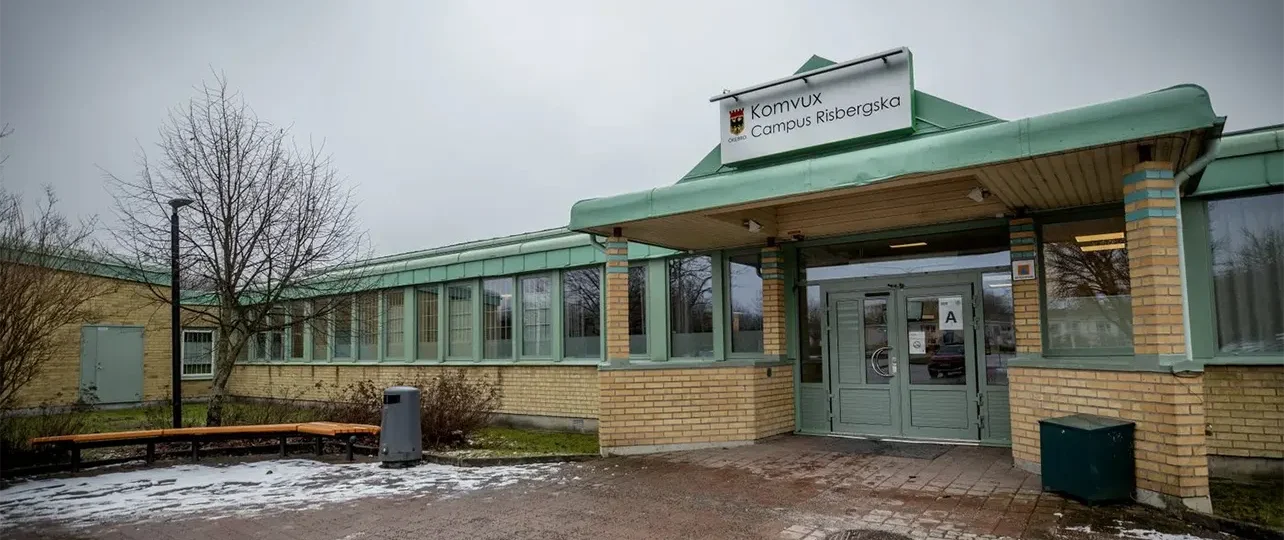
The Risbergska school, once a symbol of hope and integration where immigrants sought to build better futures, now stands as a silent memorial. Teacher Maria Pegado’s words echo the cruel irony: her students, many having fled violence in their home countries, found themselves confronting the very horror they thought they’d left behind.
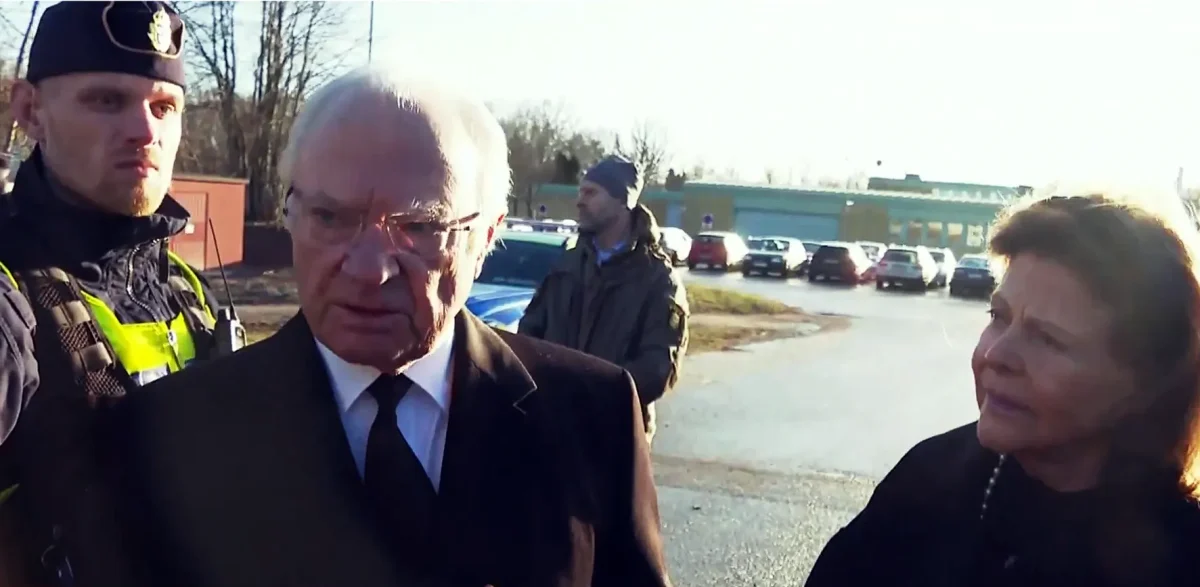
The tragedy has touched every level of Swedish society, from the highest offices to the streets. In a solemn gesture of national mourning, flags hang at half-mast across the country – from the royal palace in Stockholm to the parliament building, and throughout the grieving city of Orebro. King Carl XVI Gustaf and Queen Silvia themselves have journeyed to the site, leading their nation in mourning, while Prime Minister Ulf Kristersson has declared it a “painful day” in Swedish history.
Outside the one-story building on Haga Street, a growing memorial of candles and flowers speaks to the community’s collective grief. Inside, investigators work methodically, while shell-shocked residents grapple with a violence that seems alien to their peaceful city of 100,000.
In hospital corridors, six victims fight for their lives – four women and two men – their wounds requiring urgent surgery. The human toll extends beyond the immediate victims; stories like that of Ali El Mokdad, searching desperately for his missing brother-in-law, paint a picture of a community torn apart by uncertainty and fear.
For Sweden, a country already wrestling with rising gang violence, this attack – apparently without ideological motivation – opens a new chapter of national soul-searching. In a land where school shootings have been mercifully rare, with only ten deaths in such incidents over twelve years, this single day of violence has forced the nation to confront a new and terrible reality.
The peaceful streets of Orebro, some 200 kilometres west of Stockholm, now echo with questions that may never find satisfactory answers, as a nation known for its tranquillity and social harmony confronts its most devastating mass murder in modern history.