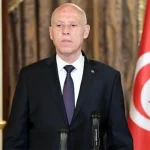

IN a concerning transformation that threatens Tunisia’s democratic foundations, President Kais Saied has effectively weaponized the country’s judicial system, turning what should be an independent pillar of democracy into a mechanism for consolidating his grip on power. The latest wave of harsh sentences against opposition figures and journalists marks a dramatic escalation in the use of courts to silence dissent.
The appointment of Judge Michkat Khaldi as Finance Minister represents a troubling fusion of judicial and executive power. Khaldi, who previously headed the president’s Criminal Reconciliation Committee, now moves directly from the judiciary to a cabinet position, raising serious questions about the separation of powers. This appointment comes at a critical moment when Tunisia faces severe economic challenges, including shortages of essential commodities and mounting public debt.
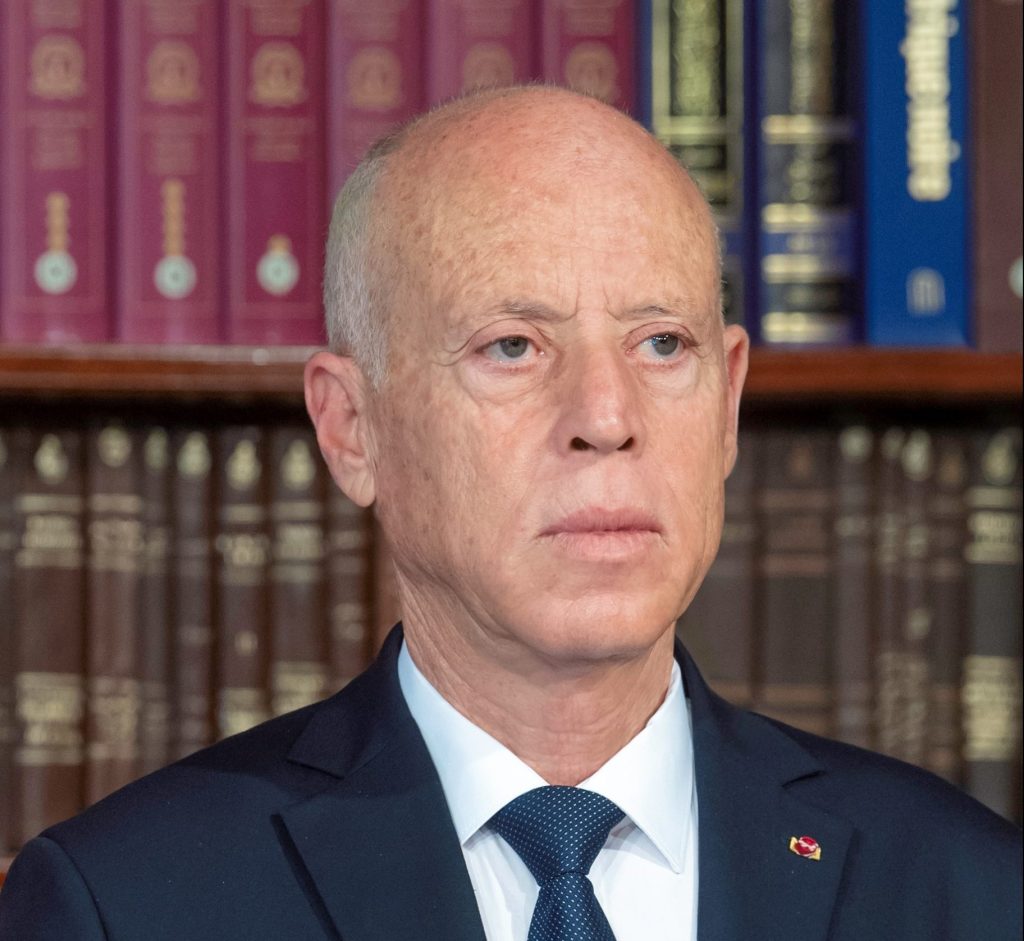
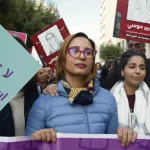
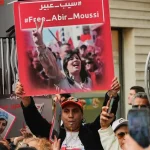
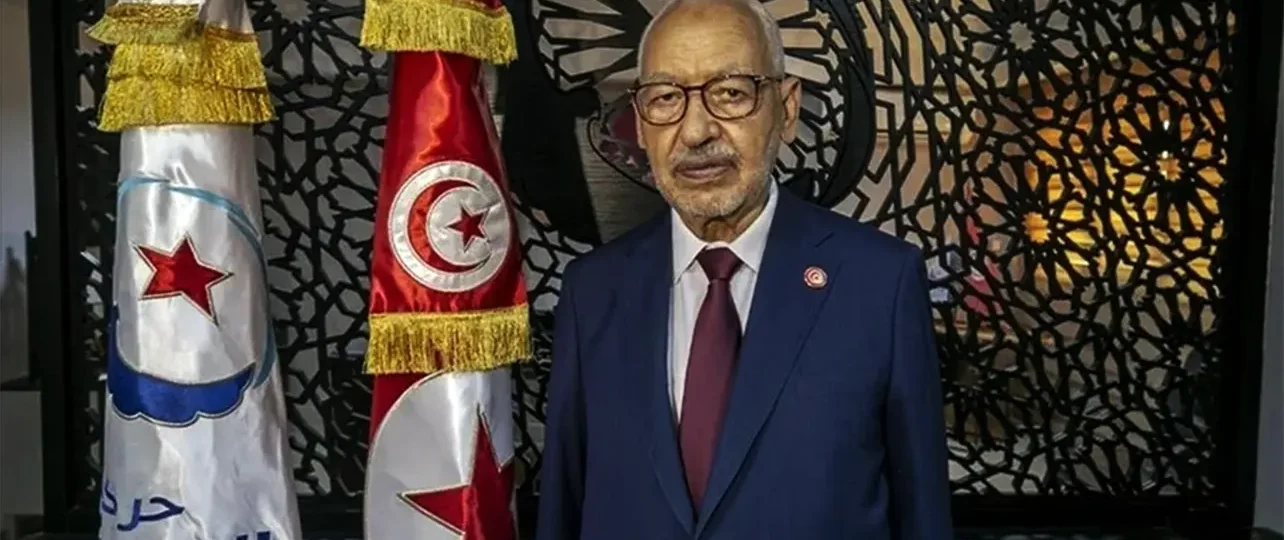
The judiciary’s role in political repression became starkly apparent with the recent sentencing of prominent opposition figures. Rached Ghannouchi, the 83-year-old leader of the Ennahda party, received a 22-year sentence, while former Prime Minister Hichem Mechichi was sentenced to 35 years in absentia. These harsh verdicts, along with the imprisonment of journalists Chahrazad Akacha and Chadha Haj Mbarak, demonstrate how the courts are being used to eliminate political opposition and stifle media freedom.
Since 2021, when Saied dismissed parliament and consolidated power, Tunisia has witnessed the systematic dismantling of democratic institutions built after the 2011 revolution. The president’s explicit warning that judges who free his critics would be considered accomplices effectively removes any pretence of judicial independence. This direct threat to judges undermines the very notion of fair trials and due process.
The backdrop to this judicial overreach is Tunisia’s deepening economic crisis. With the government resorting to central bank borrowing and increasing taxes on middle and high-income earners, the appointment of a judge as Finance Minister suggests a concerning merger of judicial and economic policy. This consolidation of power comes as the country grapples with shortages of basic necessities like sugar, rice, coffee, and cooking gas.
The transformation of Tunisia’s judiciary into a political instrument carries significant implications for international relations and democratic governance in North Africa. Once celebrated as the sole success story of the Arab Spring, Tunisia’s descent into authoritarian rule through judicial manipulation presents a sobering case study in democratic backsliding.
The systematic imprisonment of political opponents, journalists, and former officials signals a decisive shift away from democratic norms. While President Saied maintains these actions are necessary to “save Tunisia from chaos,” the evidence suggests a calculated strategy to eliminate opposition through judicial means. The independence of Tunisia’s judiciary, once a cornerstone of its democratic transition, now appears to be another casualty in the consolidation of presidential power.
As Tunisia continues down this path, the international community faces a critical test: how to respond to the subtle but systematic dismantling of democracy through ostensibly legal means. The transformation of courts from guardians of justice to instruments of political control represents a sophisticated form of authoritarian control that may prove more durable than traditional forms of repression.