IN a scathing assessment delivered at the UN’s Geneva press briefing, human rights officials warned that Israel’s military actions in Gaza have crossed critical legal boundaries.
“The increasing issuance by Israeli Forces of ‘evacuation orders’ – which are, in effect, displacement orders – have resulted in the forcible transfer of Palestinians in Gaza into ever-shrinking spaces where they have little or no access to life-saving services, including water, food and shelter, and where they continue to be subject to attacks,” said Ravina Shamdasani, UN Human Rights Office spokesperson.
She emphasized that while Israel can legally order temporary evacuations under specific conditions, the current operations suggest more permanent intentions.
“Permanently displacing the civilian population within occupied territory amounts to forcible transfer, a grave breach of the Fourth Geneva Convention and a crime against humanity,” Shamdasani stated.
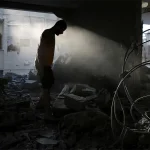
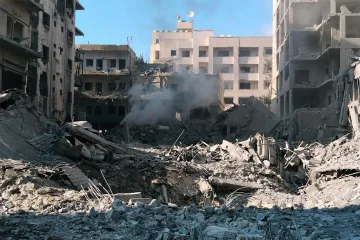
The situation continues to deteriorate as military operations expand. “Israeli military strikes continue across Gaza, leaving nowhere safe,” the spokesperson reported. “Between 18 March and 9 April 2025, there were some 224 incidents of Israeli strikes on residential buildings and tents for internally displaced people.”
Of particular concern is the disproportionate impact on vulnerable populations. “In some 36 strikes about which we were able to corroborate information, the fatalities recorded so far were only women and children,” Shamdasani revealed.
The humanitarian crisis is compounded by restrictions on vital supplies. “Israel’s closure of crossings into the Gaza Strip has entered its sixth week, preventing the entry of food, safe drinking water, medicines and other essential aid or supplies,” she explained.
Even more alarming are the apparent motivations behind these restrictions. “Israeli officials have made statements suggesting that the entry of humanitarian aid is directly linked to the release of hostages, raising serious concerns about collective punishment and the use of starvation of the civilian population as a method of war, both of which constitute crimes under international law.”
The UN’s assessment points to an existential threat facing Palestinians in Gaza. “The Office is seriously concerned that Israel appears to be inflicting on Palestinians in Gaza conditions of life increasingly incompatible with their continued existence as a group in Gaza,” Shamdasani warned.
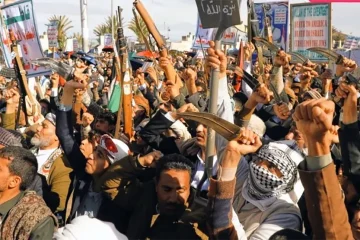
Meanwhile, internal repression adds another layer of suffering. “Protests by Palestinians against Hamas, in the exercise of their rights to peaceful assembly and expression under international law, have also been repressed by force, with harsh retribution exacted against a number of individuals,” she added. “The despair of Palestinians, under assault from outside as well as such pressure within, knows no bounds.”
UN High Commissioner for Human Rights Volker Türk has emphasized that “the last 18 months of violence have made this abundantly clear: There is no military path out of this crisis.” According to Shamdasani, “the only way forward is a political settlement, based on two states living side by side in equal dignity and rights, in line with UN resolutions and international law.”