THE United Nations has issued a forceful condemnation following a series of deadly attacks on civilians seeking food aid in Gaza, calling for immediate investigations and warning that such incidents may constitute war crimes under international law.
For the third consecutive day, dozens of Palestinians were killed and injured near an aid distribution site operated by the Gaza Humanitarian Foundation (GHF) in Rafah, southern Gaza. According to the Gaza Health Ministry, at least 27 people were killed and nearly 90 wounded in the latest incident on Tuesday, bringing the death toll around controversial aid hubs to over 100 since late May.
UN Human Rights Spokesperson Jeremy Laurence described the situation as “unconscionable,” stating, “There must be a prompt and impartial investigation into each of these attacks, and those responsible held to account. Attacks directed against civilians constitute a grave breach of international law, and a war crime”.
Laurence highlighted the dire predicament facing Palestinians in Gaza: “Palestinians have been presented the grimmest of choices: die from starvation or risk being killed while trying to access the meagre food that is being made available through Israel’s militarized humanitarian assistance mechanism. This militarized system endangers lives and violates international standards on aid distribution, as the United Nations has repeatedly warned”.
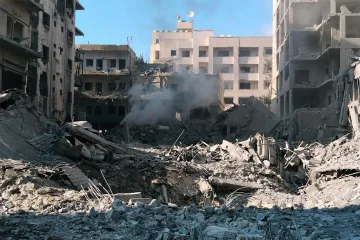
He further warned, “The wilful impediment of access to food and other life-sustaining relief supplies for civilians may constitute a war crime. The threat of starvation, together with 20 months of killing of civilians and destruction on a massive scale, repeated forced displacements, intolerable, dehumanizing rhetoric and threats by Israel’s leadership to empty the Strip of its population, also constitute elements of the most serious crimes under international law”.
The UN also referenced the 2024 International Court of Justice (ICJ) ruling, which found “a real and imminent risk of irreparable prejudice to the rights of Palestinians in Gaza under the Convention on the Prevention and Punishment of the Crime of Genocide.” Laurence emphasized that the ICJ issued binding orders on Israel to ensure, in full cooperation with the United Nations, the unhindered provision of urgently needed humanitarian assistance, including food, water, and medical care, to Palestinians throughout Gaza. “There is no justification for failing to comply with these obligations,” Laurence said.
UN Secretary-General António Guterres echoed these concerns, calling it “unacceptable that Palestinians are risking their lives for food” and urging an independent inquiry into the repeated shootings of aid seekers.
The Israeli military has stated that its forces fired on individuals who “posed a threat” near the aid distribution site, while humanitarian organizations and witnesses report that the victims were civilians attempting to access food and relief supplies.
The United Nations continues to warn that the current militarized aid distribution system in Gaza is inadequate and dangerous, with children facing the risk of starvation if access to adequate aid is not restored6. The Security Council is expected to vote on a new resolution calling for a ceasefire and humanitarian access, though it faces the likelihood of a US veto.