THE UN’s top human rights official has delivered a stark warning that the world is witnessing a dangerous erosion of international law and human rights protections, as conflicts escalate globally and powerful nations abandon the agreements that have underpinned peace for eight decades.
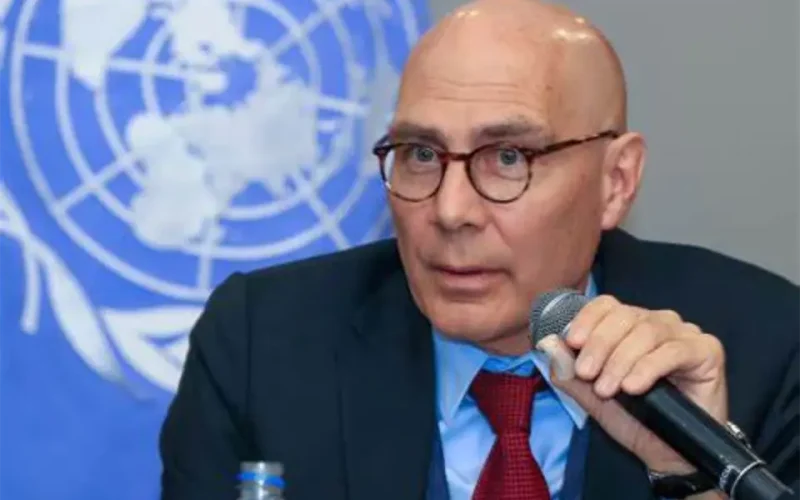
Speaking to the 59th Human Rights Council, UN High Commissioner for Human Rights Volker Türk painted a grim picture of a world in crisis, where civilians are deliberately targeted, humanitarian aid is obstructed, and human rights defenders are killed at an alarming rate.
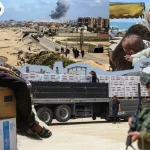
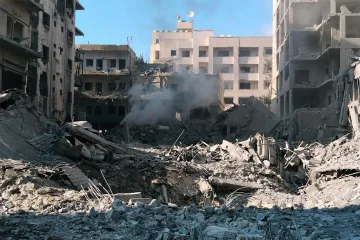
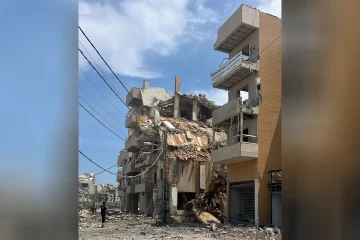
“The current trajectory – of escalating conflict and blatant disregard for international human rights and humanitarian law – is indefensible,” Türk declared. “Civilians are deliberately attacked. Parties to conflict starve and rape as weapons of war.”
The numbers are staggering: at least 625 human rights defenders and media workers were killed or disappeared in 2024 alone – one every 14 hours, according to data from Türk’s office.
International System Under Attack
Türk warned that the international system that has delivered peace and prosperity for generations is under unprecedented assault. Since World War II, life expectancy has increased by 25 years and the number of people with basic education has doubled, he noted.
“Despite edging close to nuclear annihilation several times, reason prevailed. Our global agreements have proven themselves over decades,” Türk said. “Today, we see dramatic steps to weaken them, creating a more dangerous world for us all.”
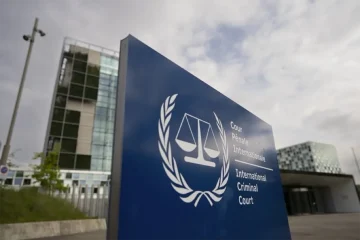
The High Commissioner expressed particular alarm at attacks on international institutions, including the International Criminal Court, calling sanctions against judges and prosecutors “an assault on the rule of law.”
Discrimination and ‘Culture Wars’
Türk directly challenged the global pushback against diversity, equity and inclusion policies, calling efforts to roll back such protections a “fundamental misrepresentation” designed to “scapegoat vulnerable groups.”
Data from his office reveals the scope of discrimination worldwide: across 119 countries, one in five people reported experiencing discrimination in the past year. Women face discrimination at more than double the rate of men globally.
“Some call these DEI policies. I call them standing up for equality,” Türk said, warning that populists and authoritarians are using “culture wars” to distract from real problems.
Economic Threats and Funding Crisis
The High Commissioner also sounded the alarm on economic policies that could devastate human rights, particularly recent tariff impositions that he compared to “a high-stakes poker game, with the global economy as the bank.”
Higher tariffs could put healthcare, education and nutrition out of reach for many, he warned, with disproportionate impacts on women in low-paid manufacturing jobs.
Adding to these challenges, Türk revealed that his office faces severe funding cuts, with nearly three-quarters of partner organisations expecting to lose more than 40 percent of their funding.
“That means fewer early warnings; less advocacy for people who are wrongly imprisoned; fewer investigations into abuses and violations; less accountability,” he said. “Funding cuts to my Office and the broader human rights ecosystem offer comfort to dictators and authoritarians.”
Call for Action
Despite the dire warnings, Türk emphasised that the majority of countries still support human rights expansion. Half the world’s population now benefits from effective national human rights institutions – a figure that has tripled in two decades.
“Human rights provide stability and security in our troubled times,” he concluded. “At this testing time, we need governments and societies to stand up for human rights, in word and deed.”
The address comes as the international community grapples with multiple crises, from ongoing conflicts to climate change to technological disruption, all while facing what Türk described as efforts to systematically weaken the institutions designed to protect human dignity and international law.