
AFRICAN countries must present a unified front to combat mounting economic pressures as debt crises deepen and international aid dwindles, the United Nations Economic Commission for Africa has urged.
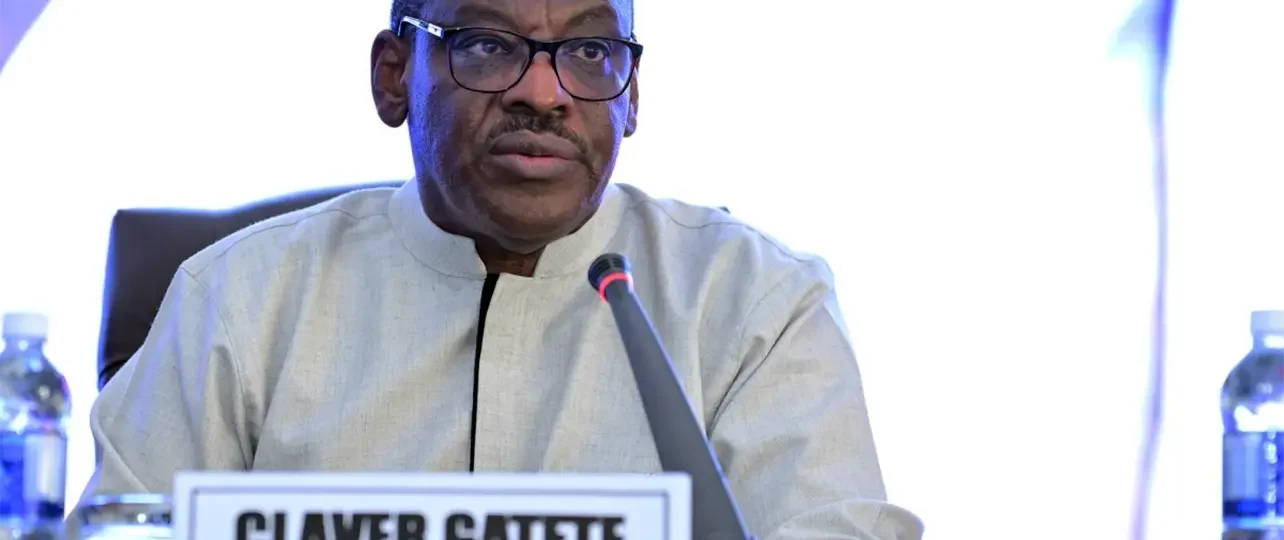
Speaking to African ambassadors at UN headquarters, ECA Executive Secretary Claver Gatete painted a stark picture of a continent under siege from multiple economic threats. Over half of African nations now carry public debt exceeding 60% of GDP, with seven countries officially in debt distress and 11 more at high risk.
“External financing is drying up, but the pressure on government budgets keeps growing,” Gatete told the Africa Group of ambassadors. “We cannot overstate the urgency of domestic resource mobilisation.”
The warning comes as African economies face a perfect storm of challenges. Currency collapses have devastated major economies – Nigeria’s naira lost nearly 95% of its value between 2023 and 2024, while Egypt’s pound dropped 50% since 2023. The average fiscal deficit across the continent reached 5.1% of GDP in 2024.
Aid Cuts Compound Crisis
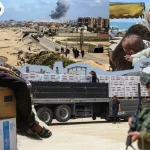
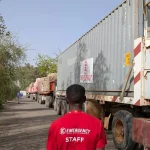
International support is evaporating when African nations need it most. Official development assistance plummeted to 2.1% of gross national income in 2023, down from 3.4% in 2006. Major donors, including the United States, United Kingdom, and Germany, have announced further cuts.
New trade barriers threaten to worsen the situation. Forthcoming research by ECA, the African Union Commission, and the African Development Bank suggests new U.S. import tariffs could slash Africa’s exports to America by up to 21.5%.
“This goes beyond trade volumes,” Gatete warned. “It affects industrial jobs, regional supply chains and Africa’s voice in shaping the terms of engagement.”
Unity as Strategic Imperative
The ECA chief emphasised that Africa’s survival depends on coordinated action. Despite projected GDP growth of 2.9% to 3.6%, the continent remains vulnerable to global volatility without unified economic diplomacy.
“Africa’s voice must be coherent, coordinated and grounded in evidence,” Gatete said, calling for stronger alignment between African missions in New York and Addis Ababa and regional institutions supporting member states.
The commission is working with South Africa’s G20 presidency and partnering with the African Union and multilateral development banks to advance reforms on special drawing rights and blended finance.
Technical Support Addresses Immediate Needs
ECA is providing direct assistance to struggling economies through property tax assessments in Ethiopia, transfer pricing audits in Mauritania, and customs training for the African Continental Free Trade Area implementation in East Africa.
However, Gatete stressed that technical capacity must translate into political leverage. “This is a moment that demands unity of purpose and credibility of message.”
The briefing, held on the margins of the High-Level Political Forum, reinforced the importance of anchoring Africa’s economic diplomacy in homegrown expertise as the continent faces its most challenging economic period in decades.