A New Alliance Emerges from the Shadows
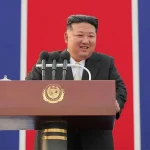
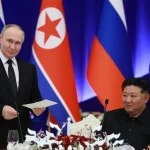
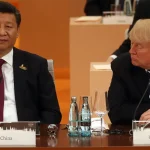
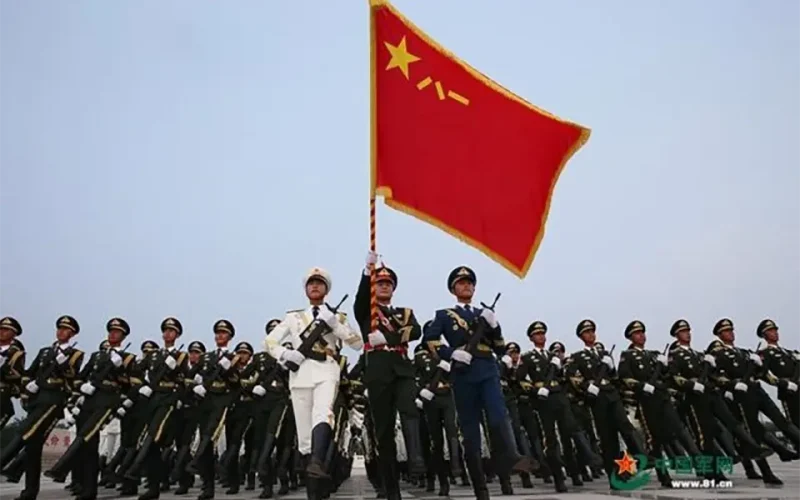
The sight of Xi Jinping, Vladimir Putin, and Kim Jong Un standing together at Beijing’s massive military parade represents more than diplomatic theatre—it signals the crystallisation of a new authoritarian axis that fundamentally challenges the Western-led international order. This unprecedented trilateral convergence, occurring as North Korean soldiers die fighting for Russia in Ukraine and Chinese gas pipelines extend Moscow’s economic lifeline, marks a pivotal moment in 21st-century geopolitics.
The Strategic Calculus Behind the Alliance
The timing of this meeting is no coincidence. As President Trump’s “America First” policies strain traditional Western alliances, these three nations are exploiting perceived fractures in the global order to forge their own alternative framework. Xi’s pointed criticism of “hegemonism and power politics”—a barely veiled attack on American global leadership—reveals the ideological foundation underlying this partnership.
The military dimensions are particularly alarming. North Korea’s deployment of over 15,000 troops to support Russia’s war effort represents the first major foreign military intervention in Europe since World War II by an Asian power. With 600 North Korean soldiers already killed in Russia’s Kursk region and plans for additional deployments, Pyongyang has effectively become a direct participant in Europe’s bloodiest conflict in eight decades.
Shifting Power Dynamics in East Asia
Perhaps most significantly, this trilateral meeting marks a dramatic shift in North Korea’s strategic positioning. Kim Jong Un’s participation in the largest multilateral diplomatic event of his career signals his emergence from decades of isolation, no longer content to remain China’s dependent client state. The 2024 Putin-Kim summit in Pyongyang—the first in 24 years—demonstrated North Korea’s strategic pivot toward diversifying its partnerships, reducing its historical over-dependence on Beijing.
This recalibration carries profound implications for regional stability. China previously joined international sanctions against North Korea’s nuclear program; now it appears willing to provide implicit legitimacy to Pyongyang’s nuclear ambitions through high-profile diplomatic engagement. The choreographed timing of Kim’s missile laboratory visit before crossing into China sends an unmistakable message about the normalisation of North Korea’s nuclear status within this emerging axis.
Economic Warfare and Strategic Dependencies
The Russia-China energy partnership announced during the summit—including a new pipeline capable of supplying China for three decades—exemplifies how economic relationships are being weaponised to circumvent Western sanctions. China and India’s continued purchases of Russian crude oil, despite Western pressure, have provided Putin with the financial resources necessary to sustain his war effort. This economic defiance represents a direct challenge to the effectiveness of Western economic statecraft.
Treasury Secretary Scott Bessent’s characterisation of China and India as “bad actors” for fueling Russia’s war machine underscores growing frustration with non-Western powers’ willingness to prioritise their economic interests over collective security concerns. The failure of sanctions to meaningfully constrain Russian aggression highlights the limitations of Western economic leverage in an increasingly multipolar world.
Implications for Global Stability
The formation of this axis poses several critical challenges to international peace and stability:
Military Escalation Risks: The prospect of trilateral military exercises between nuclear-armed powers Russia, China, and North Korea creates new possibilities for miscalculation and escalation. Joint military cooperation could accelerate weapons development, intelligence sharing, and tactical coordination in ways that fundamentally alter the strategic balance in both Europe and Asia.
Erosion of Non-Proliferation Norms: By legitimising North Korea’s nuclear status through high-level diplomatic engagement, China and Russia are effectively abandoning decades of non-proliferation efforts. This normalisation could encourage other nations to pursue nuclear weapons as a path to international recognition and security guarantees.
Fragmentation of Global Governance: The open rejection of Western-led institutions and norms by these three powers signals the emergence of parallel governance structures. Xi’s call for resistance to “hegemonism” suggests an active effort to construct alternative international frameworks that exclude Western influence.
The Trump Factor
President Trump’s emphasis on personal relationships with these leaders adds an unpredictable element to this emerging dynamic. His pursuit of a Nobel Peace Prize while simultaneously confronting an axis of authoritarian powers presents a fundamental strategic contradiction. The challenge for American diplomacy lies in determining whether engagement or containment offers the better path forward when dealing with leaders who appear increasingly coordinated in their opposition to Western interests.
Looking Forward: A World Divided
The Beijing parade, with its release of 80,000 “peace doves” amid displays of military hardware, perfectly encapsulates the contradictions inherent in this new axis. While proclaiming peaceful intentions, these nations are simultaneously demonstrating their military capabilities and willingness to use force to achieve political objectives.
The international community now faces a stark reality: three nuclear-armed authoritarian powers are actively cooperating to challenge the post-World War II international order. Their combined economic weight, military capabilities, and territorial ambitions represent the most serious challenge to global stability since the Cold War’s end.
As this axis solidifies, the question is no longer whether the international system will face fundamental disruption, but rather how quickly existing institutions and alliances can adapt to contain the risks posed by this unprecedented concentration of authoritarian power. The stakes could not be higher—the future of international law, democratic governance, and peaceful conflict resolution hangs in the balance.
The world is witnessing the birth of a new geopolitical reality, one where the traditional Western monopoly on global leadership faces its most serious challenge in generations. How the international community responds to this emerging axis will likely determine the trajectory of global politics for decades to come.