REBUILDING Gaza will require approximately $70 billion following two years of devastating conflict, with $20 billion needed in the next three years alone, UN development officials have announced.
The staggering assessment comes as humanitarian agencies report that aid deliveries remain critically insufficient despite a ceasefire that began Friday, leaving more than 2 million Palestinians in desperate need.
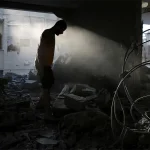
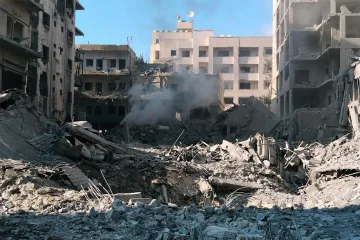
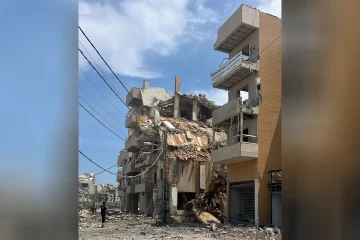
The UN Development Programme estimates that 84 percent of the Gaza Strip has been destroyed, with some areas like Gaza City suffering damage rates as high as 92 percent, according to Jaco Cilliers, UNDP Special Representative for assistance to the Palestinian People.
The $70 billion figure is drawn from the latest Interim Rapid Damage and Needs Assessment conducted jointly by the UN, European Union and World Bank. The assessment covers the compact territory measuring just 41 kilometres long and two to five kilometres wide.
Clearing the Rubble
UNDP teams working in Gaza have already removed approximately 81,000 tonnes of debris—equivalent to 3,100 truckloads—to provide humanitarian access and clear hospitals and social services. Much of the rubble potentially conceals unexploded ordnance and remains of thousands of missing Palestinians.
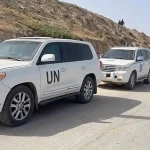
Beyond debris removal, the UN agency is providing clean water, emergency employment, medical supplies and solid waste removal to Gaza’s 2.1 million residents.
Cilliers said potential donors, including Arab states, European nations and the United States, have indicated support for reconstruction and early recovery efforts.
Aid Delivery Bottleneck Persists
Despite the ceasefire agreement signed Monday evening in Sharm El-Sheikh by US President Donald Trump and regional leaders, humanitarian workers report minimal improvement in aid flows.
“The enthusiasm that came from the international community is just not being reflected on the ground, day in and day out. We are not getting enough aid in,” said UNICEF spokesperson Ricardo Pires.
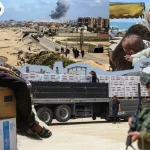
The Israeli authorities have approved the entry of 190,000 tonnes of relief supplies, but UN agencies say far more is needed urgently. More than 300,000 Palestinians have moved north to Gaza City since Friday as the ceasefire took effect.
UN humanitarian office OCHA spokesperson Jens Laerke confirmed that officials pressed 22 heads of state and government at Monday’s Sharm El-Sheikh gathering to expedite aid delivery.
Distribution Dangers
Aid organisations are pushing to move away from centralised distribution sites in remote areas, where hundreds of Palestinians have been shot or injured while attempting to collect supplies.
“It’s about aid coming to the people and not any more people going to the aid,” said Christian Cardon, spokesperson for the International Committee of the Red Cross.
The ceasefire developments followed the release on Monday of the remaining 20 living Israeli hostages held in Gaza since the October 7, 2023, Hamas-led attacks that initially seized some 250 people. Palestinian prisoners were released from Israeli custody in exchange.
The ICRC on Tuesday began overseeing the extremely difficult process of transferring deceased hostages from Gaza, though the number to be returned remains unclear.