HURRICANE Melissa has carved a merciless path of destruction across the Caribbean, leaving at least 44 people dead – including 10 children – and transforming vibrant communities into landscapes of rubble, floodwater, and shattered dreams. The storm’s wrath fell heaviest on Jamaica, Haiti, and Cuba, where the human toll and infrastructure damage paint a sobering portrait of nature’s fury unleashed.
Jamaica: Ground Zero of Annihilation
Jamaica bore witness to history’s darkest storm chapter when Melissa roared ashore as a monstrous Category 5 hurricane – the most powerful ever recorded on the island. The numbers tell a grim story: at least 8 confirmed deaths, though the true toll may climb as rescue teams penetrate isolated communities still cut off from the outside world.
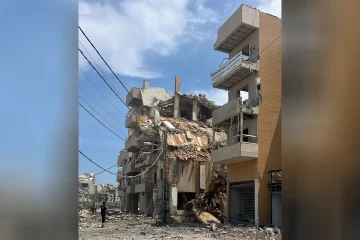
The physical devastation defies comprehension. In Black River and surrounding parishes, between 80 and 90 percent of roofs were simply obliterated – ripped away like paper by winds that treated homes as toys. Approximately 70 percent of the island plunged into darkness as power infrastructure crumbled under the onslaught. A 13-foot storm surge transformed southern coastal streets into churning rivers of debris, twisted metal, and splintered wood.
The Black River Hospital – a lifeline for thousands – now stands crippled, its capacity to deliver urgent care severely compromised at the very moment it’s needed most. Schools that once echoed with children’s laughter lie in ruins. Roads have vanished beneath landslides and floodwaters. Power lines dangle like broken spider webs across communities.
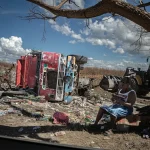
Thousands have been wrenched from their homes, now sheltering in overcrowded emergency facilities where privacy is a memory and uncertainty about tomorrow hangs heavy in the air. The emotional carnage matches the physical destruction, as survivors like Ester Guth clutch bicycles – sole possessions salvaged from the wreckage—and contemplate the daunting task of rebuilding from absolute zero.
Haiti: The Silent Suffering
While Jamaica faced Melissa’s peak fury, Haiti endured perhaps the deepest humanitarian tragedy. At least 25 souls perished, many swallowed by floodwaters and landslides that transformed familiar landscapes into death traps. In coastal areas like Petit-Goâve, entire neighbourhoods collapsed or disappeared beneath rising waters as rivers burst their banks with catastrophic force.
The displaced number in the thousands – families who watched helplessly as homes crumbled or vanished beneath muddy torrents. Haiti’s chronic vulnerability, born of poverty and fragile infrastructure, magnified Melissa’s impact, turning what might have been survivable into lethal. The country now faces cascading crises: shelter shortages, contaminated water supplies, and the ever-present spectre of disease outbreaks in crowded displacement camps.
Cuba: Evacuation Success, Infrastructure Failure
Cuba’s story offers a stark contrast – a testament to effective disaster preparedness that saved countless lives, yet couldn’t prevent massive material destruction. Officials evacuated over 735,000 people before Melissa struck, achieving the remarkable feat of zero reported casualties despite the storm’s ferocity.
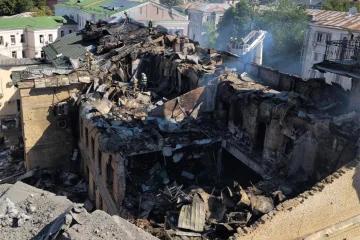
But the physical damage across eastern provinces remains severe. Homes sustained significant damage, power grids collapsed, and agricultural devastation threatens food security for months ahead. Critical banana, cassava, and coffee plantations lie ruined, erasing livelihoods built over generations. The Juan Bruno Zayas Clinical Hospital in Santiago de Cuba stands gutted, its shattered glass and collapsed walls symbolising the healthcare challenges ahead.
Remote communities remain isolated, cut off by downed communication networks and impassable roads. Military rescue operations continue the painstaking work of reaching these forgotten pockets, where residents endure without electricity, internet, or telephone services – disconnected from aid and information in their darkest hour.
The Humanitarian Emergency: Urgent Needs
The scale of human need across all three nations is staggering and multifaceted:
Immediate shelter for thousands rendered homeless, many crowding into facilities never designed for such numbers, where dignity and safety compete with simple survival.
Clean drinking water has become precious as treatment facilities failed and floodwaters contaminated supplies, raising the spectre of waterborne disease outbreaks that could dwarf the storm’s direct death toll.
Food security teeters on the edge as destroyed crops and disrupted supply chains threaten hunger across regions where subsistence farming sustained families for generations.
Medical care for the injured overwhelms damaged hospitals, while minor injuries risk becoming life-threatening without proper treatment in unsanitary conditions.
Infrastructure restoration—power, water, sanitation systems—represents not luxury but survival, as darkness, thirst, and disease threaten to compound the storm’s initial devastation.
Hygiene and disease prevention grow more critical daily as prolonged power outages and flooding create ideal conditions for secondary health crises that could dwarf the hurricane’s direct impact.
Resilience Amid Ruins
Yet amid the statistics of suffering, human resilience blazes defiantly. Rescue workers chainsaw through fallen trees blocking roads to isolated villages. Volunteers distribute supplies with tireless determination. Neighbours share meagre resources and open homes to the displaced. Emergency flights land with a precious cargo of food and clean water. Communities that yesterday had nothing today find everything in solidarity.
The International Federation of Red Cross and Red Crescent Societies, Catholic Relief Services, and UN humanitarian agencies coordinate massive relief operations, channelling global compassion into tangible aid. Their work represents humanity’s answer to nature’s fury – organisation, generosity, and unwavering commitment to leaving no one behind.
The Long Road Ahead
Hurricane Melissa’s immediate violence has passed, but its legacy will haunt the Caribbean for years. Reconstruction will demand billions in resources, thousands of hours of labour, and immeasurable reserves of hope. Children who lost homes must find their way back to education. Farmers must replant destroyed fields. Communities must rebuild not just structures but the social fabric torn by trauma and displacement.
The storm tested the Caribbean’s physical infrastructure and found it wanting. It also tested the human spirit—and found it unbreakable. In Jamaica’s shattered parishes, Haiti’s flooded valleys, and Cuba’s darkened provinces, survivors are already clearing debris, comforting neighbours, and planning tomorrow.
Hurricane Melissa will be remembered as one of the Caribbean’s deadliest and most destructive storms. But it will also be remembered for what it couldn’t destroy: the determination of people who refuse to be defined by disaster, who transform tragedy into testament, and who prove daily that human compassion rises stronger than any wind, more enduring than any flood.
The question now isn’t whether these communities will recover—it’s how quickly the world will stand beside them in that recovery, turning grief into action and devastation into renewal.