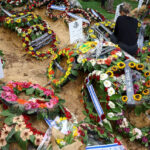
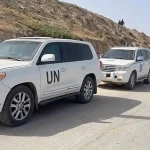
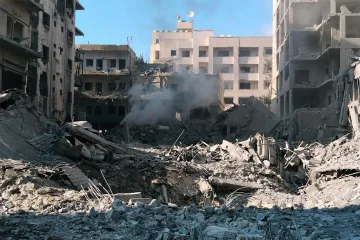
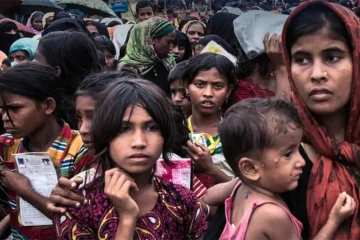
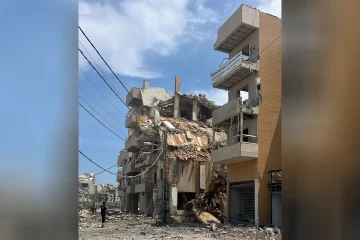
AT least 67 children have been killed in conflict-related incidents in the Gaza Strip since a ceasefire took effect on October 11, averaging nearly two children per day, UN agencies reported Thursday.
The latest casualties include a baby girl killed in an airstrike in Khan Younis on Wednesday, and seven children killed in Gaza City and southern Gaza the day before, according to Ricardo Pires of the UN Children’s Fund (UNICEF).
“These are not statistics; these are real children with their dreams and futures cut short,” Pires told reporters at a UN briefing in Geneva.
Overall, at least 266 people have been killed in Gaza since the ceasefire began, according to Dr. Rik Peeperkorn, the World Health Organisation’s representative in the occupied Palestinian territory.
Healthcare System Remains Crippled
The humanitarian situation remains dire despite the cessation of major hostilities. Only half of Gaza’s 36 hospitals are partially functional, with no functioning hospitals remaining in North Gaza, where an estimated 20,000 people are located, Peeperkorn said.
Forty percent of primary healthcare centres and ten field hospitals are operational. Access to the European Gaza Hospital continues to be denied as it remains outside the ceasefire boundary line.
Critical shortages plague the health system, with 343 of 622 essential drug items at zero-stock levels, including 74 percent of chemotherapy medications and 64 percent of primary healthcare drugs, according to Gaza’s Ministry of Health.
More than 16,500 patients require medical evacuation outside Gaza, with the WHO calling for the reopening of evacuation corridors, particularly to the West Bank and East Jerusalem. Currently, some 4,000 children are waiting for swift evacuation.
Food Aid Falls Short as Winter Arrives
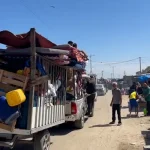
Heavy rains and falling temperatures are compounding the crisis for hundreds of thousands of people living in tents and among rubble. Floodwaters have washed away families’ possessions and food supplies, the World Food Programme reported.
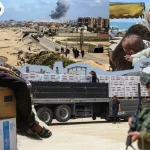
Since October 10, WFP has delivered over 40,000 tons of food into Gaza—about two-thirds of its monthly target—reaching more than 530,000 people, one-third of the monthly goal. WFP-supported bakeries are producing 160,000 bread bundles daily, meeting targets, while 35 kitchens provide 210,000 hot meals per day, about half the target.
Martin Penner, speaking for WFP from Gaza, said markets are returning to life but prices remain prohibitive for most residents. A single chicken costs $20, he said, and families are rationing scarce resources—one woman divides a single apple among her four children.
“While things are improving under the ceasefire, the improvement is not fast enough for many families,” Penner said.
Immunisation Campaign Reaches 13,700 Children
A catch-up immunisation campaign concluded Wednesday, vaccinating more than 13,700 children between November 9 and 20. The campaign, led by UNICEF, UNRWA, WHO and partners, also screened 6,827 children for malnutrition, identifying 508 acutely malnourished children who were referred for treatment.
Preparations are underway for two additional rounds to ensure children receive full vaccine protection.
The campaign became possible after Israeli authorities cleared 1.6 million syringes for dispatch to Gaza. UNICEF expressed hope that other supplies awaiting customs clearance for several months would also be released.
Logistical Challenges Persist
Three border crossings are now open—Zikim, Kerem Shalom, and Kissufim—after Zikim reopened following a two-month closure. The Rafah crossing remains closed.
Inside Gaza, the blocked Salahuddin road forces aid convoys to use the coastal route, causing delays and exposure to looting risks.
WFP currently delivers supplies via an average of 100 trucks per day, though not all of the 800 trucks reportedly entering Gaza daily belong to humanitarian agencies, officials said.
“The aid has to enter faster, and the stakes remain incredibly high,” Pires said, warning of rising respiratory infections and waterborne diseases from polluted water.
WHO has brought in 2,050 pallets of medical supplies since the ceasefire began, while WFP is conducting winterisation activities with humanitarian partners to prepare for the harsh months ahead.