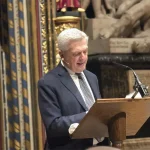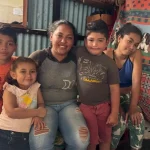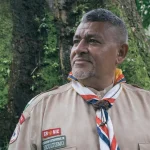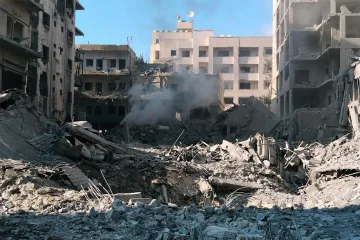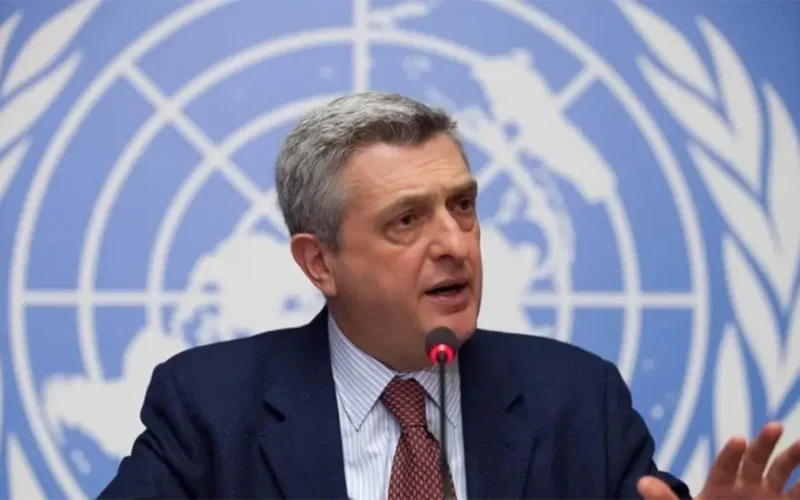
UN High Commissioner for Refugees Filippo Grandi has called for increased international support for Costa Rica as the country manages the largest refugee population in Central America, primarily driven by displacement from Nicaragua.
Grandi has concluded his official visit to Costa Rica, during which he met with government officials, international organisations, UN agencies and refugees fleeing what he described as serious human rights violations in neighbouring Nicaragua.
Costa Rica currently hosts 207,456 people requiring international protection as of the end of October, with 85 percent from Nicaragua. The influx makes Costa Rica the primary asylum destination in Central America, yet Grandi emphasised the crisis receives insufficient global attention.
During meetings with Nicaraguan refugees, Grandi heard accounts of widespread human rights abuses, including forced evictions of indigenous communities, home burnings, land confiscations near the Costa Rican border, and environmental damage from mining and logging operations. Refugees also reported harassment, surveillance, religious persecution and retaliation against community leaders, human rights defenders and journalists, even beyond Nicaragua’s borders.
“I heard deeply moving accounts of the serious human rights situation in Nicaragua,” Grandi said. “All of these accounts fit squarely within the 1951 Convention refugee definition and are at the heart of UNHCR’s mandate.”
The High Commissioner commended Costa Rica for maintaining an accessible asylum system despite a significant backlog of pending claims and recent funding reductions. He acknowledged government efforts to modernise asylum procedures and issue work permits.
Grandi issued an urgent appeal for sustained and expanded international assistance to Costa Rica, calling for enhanced technical and financial cooperation to strengthen the asylum system and support socioeconomic integration programs for refugees.
“People arrive in fear, but also with enormous determination to rebuild their lives, and Costa Rica has opened its doors to them so that they can do so with dignity,” Grandi stated.