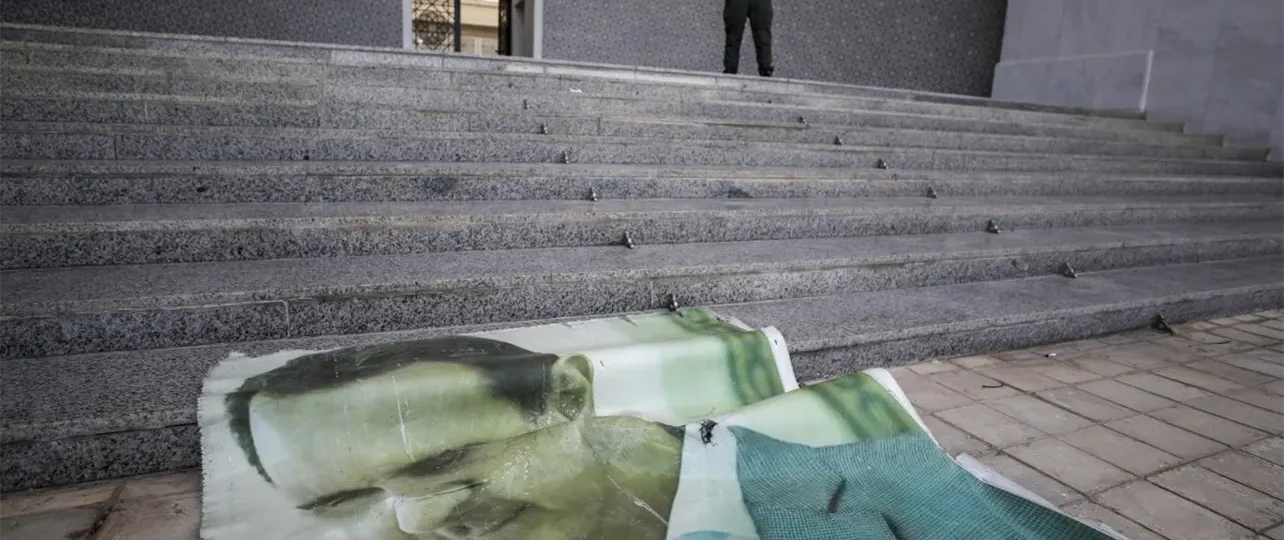

ONE year after the Assad regime collapsed, Syria stands at a precarious crossroads. More than 3 million displaced Syrians have made the journey home – the largest return movement in recent humanitarian history – but the infrastructure to support them remains dangerously inadequate, threatening to transform hope into renewed crisis.
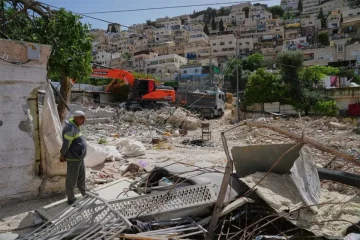
The numbers tell a story of extraordinary human determination: 1.2 million refugees have crossed back from neighbouring countries since December 2024, while 1.9 million internally displaced people have returned to their communities of origin. They are moving toward a country still bearing deep scars from 14 years of war, where entire neighbourhoods remain rubble and basic services function sporadically at best.
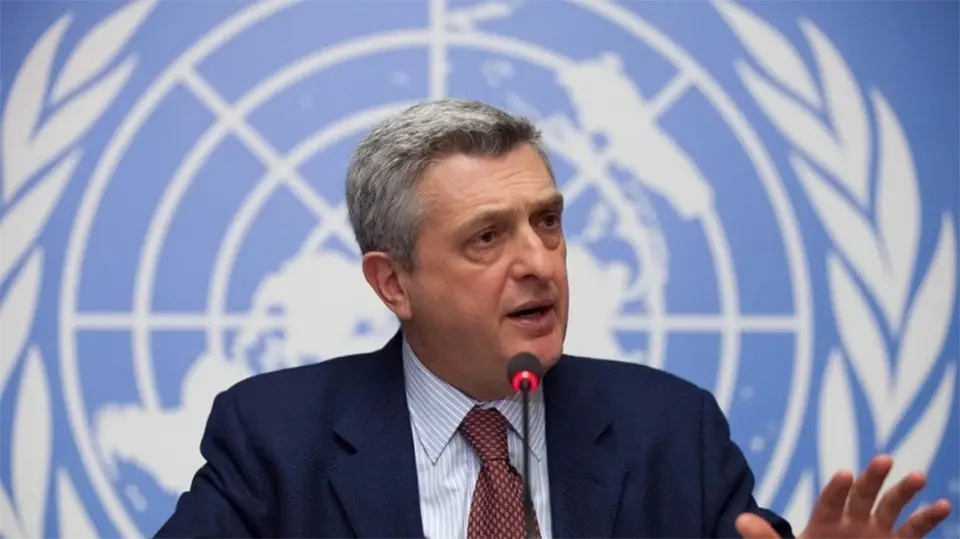
“This is a once-in-a-generation chance to help end one of the world’s worst humanitarian crises,” UN High Commissioner for Refugees Filippo Grandi warns, framing the moment in stark terms. The question facing the international community is whether it will provide the resources needed to capitalise on this opening, or whether Syria’s fragile stability will collapse under the weight of unmet needs.
The Mechanics of Mass Return
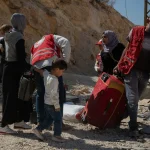
The scale of movement has forced humanitarian organisations to rapidly expand operations. In Jordan alone, at least 170,000 Syrians have returned since last December, with UNHCR providing assistance in over 24,000 cases. Lebanon has closed refugee files for 379,000 people based on confirmed or presumed returns. Turkey has seen approximately 560,000 voluntary departures.
UNHCR has established systems to facilitate dignified returns—cash assistance, transportation, and counselling on civil documentation. Upon arrival in Syria, the agency has supported more than 36,000 households with cash grants and provided transport from border crossings for nearly 30,000 individuals. Shelter repairs have reached almost 3,000 families, while 84,000 families have received essential items like blankets and mattresses.
Yet these efforts are dramatically underfunded. UNHCR’s $1.5 billion appeal for Syria operations in 2025 has received only 33 percent of the required resources, leaving critical gaps in shelter, services, and winter preparations.
A Country Still in Ruins
Returnees are arriving to find a landscape transformed by conflict. Water systems lie damaged, hospitals lack equipment, and schools need reconstruction. Electricity and clean water remain unreliable. Employment opportunities are scarce, and local markets struggle to stock basic goods.
The human cost of infrastructure collapse continues to mount. Since the beginning of 2025, unexploded ordnance has killed 577 people—a grim reminder that Syria’s dangers extend beyond active conflict. Many returning families lack the civil documents necessary to reclaim property or access government services, creating legal obstacles to reintegration.
UNHCR teams are working to address these barriers through rehabilitated civil registries, mobile legal aid teams, and community centres. The agency is also supporting vocational programs and small business creation to rebuild economic foundations. But the scope of destruction far exceeds current response capacity.
The Risk of Reversal
Approximately 4.5 million Syrian refugees remain in neighbouring countries, the majority living below the poverty line. Their decisions about whether to return will depend heavily on reports from those who have already made the journey. If conditions fail to improve, or if new instabilities emerge, the return movement could stall or reverse, creating fresh displacement waves.
The security situation remains fluid in certain areas, and UNHCR emphasises that returns must remain voluntary. Forced repatriation would not only violate refugee protections but would undermine the legitimacy of Syria’s transition and risk triggering renewed conflict.
Host countries—Jordan, Lebanon, Turkey, and Egypt—continue to shoulder enormous responsibility for Syrian refugees who remain. They require sustained international support to maintain services and stability. Without it, pressure for premature or unsafe returns may increase.
A Closing Window
The current moment represents an unusual convergence: political transition has created space for return, and Syrians are demonstrating willingness to rebuild despite immense obstacles. But this window is time-limited.
Recovery requires massive investment in reconstruction, expansion of training and livelihood programs, and continuation of humanitarian aid alongside protection services. The alternative is a squandered opportunity—returnees facing conditions so dire they are forced to flee again, host countries overwhelmed by continuing refugee populations, and Syria’s fragile stability giving way to renewed crisis.
The primary responsibility for creating a secure environment rests with Syria’s new government. The success of voluntary returns will ultimately depend on whether authorities can establish rights-based governance that prevents new displacement and supports sustainable reintegration.
But the international community’s role is equally critical. Syria’s reconstruction cannot succeed without substantial external support. The question is not whether Syrians are ready to rebuild their country—they are demonstrating that readiness daily. The question is whether the world will provide the resources necessary to make that rebuilding possible, or whether this historic moment will be remembered as an opportunity missed.