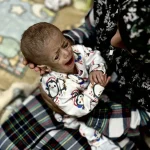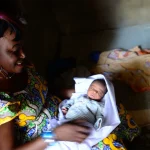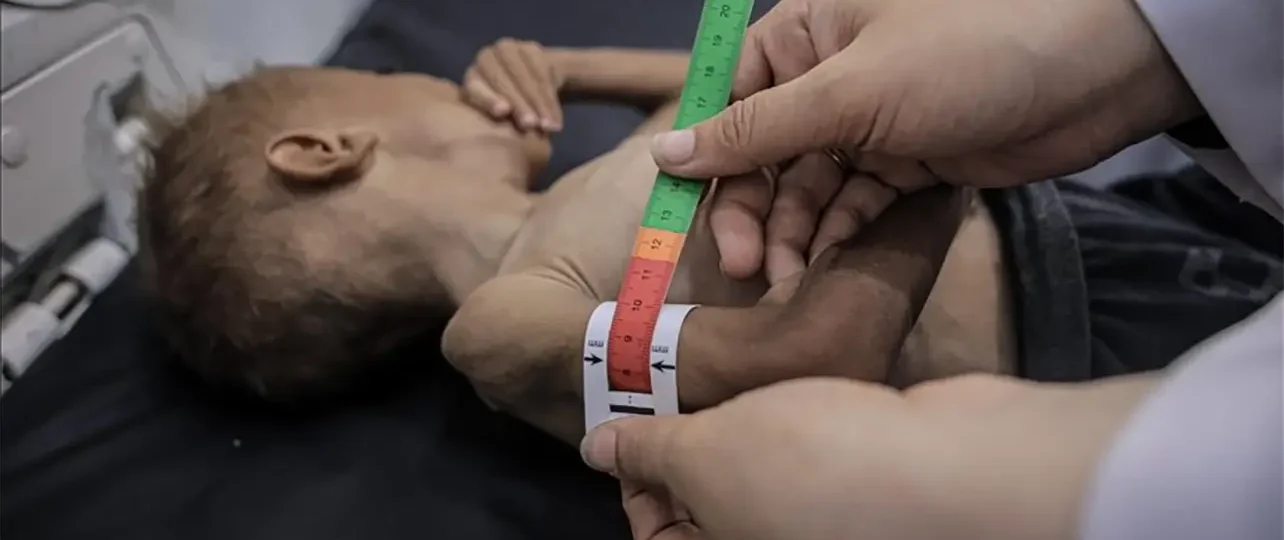

NEWBORNS in Gaza are entering the world weighing less than a kilogram, their survival hanging by a thread as maternal malnutrition reaches catastrophic levels unseen before the conflict began.
The number of underweight babies born in Gaza has doubled since fighting erupted, with 15 infants born dangerously small every day – twice the pre-war rate. These children face mortality rates 20 times higher than normal-weight babies, according to UNICEF officials who say the crisis stems from a devastating cycle of starving mothers giving birth to failing infants.
“In Gaza’s hospitals, I have met several newborns who weighed less than one kilogramme, their tiny chests heaving with the effort of staying alive,” said Tess Ingram, UNICEF Communication Manager, speaking from the territory.
The statistics paint a grim picture of deterioration. Before the war in 2022, about 250 babies monthly – five percent of births – weighed under 2.5 kilograms. In early 2025, that proportion doubled to 10 percent, or 300 babies per month. In the three months before the ceasefire, the figure surged to 460 monthly.
At least 165 children have died from malnutrition-related causes during the conflict, but thousands more face a hidden threat. In October alone, 8,300 pregnant and breastfeeding women required treatment for acute malnutrition – a condition virtually nonexistent in this population before October 2023.
“This pattern is a grave warning, and it will likely result in low birthweight babies being born in the Gaza Strip for months to come,” Ingram told journalists in Geneva via video link. “This is not over.”
The crisis traces directly to collapsing maternal health. Poor nutrition, extreme stress, and limited prenatal care create what UNICEF calls a “devastating domino effect” from mother to child – one that organisations say was entirely preventable.
The UN has replaced destroyed medical equipment, including incubators and ventilators, while UNICEF has distributed supplements to tens of thousands of pregnant women and screened children for malnutrition. But aid workers say the response falls short.
Persistent obstacles block humanitarian access, according to the UN humanitarian coordination office, which cited insecurity, customs delays, cargo denials at crossings, and limited transport routes within Gaza. Opening the Rafah crossing could significantly increase aid flow, UNICEF officials said, while restocking local markets with affordable, nutritious food remains critical.
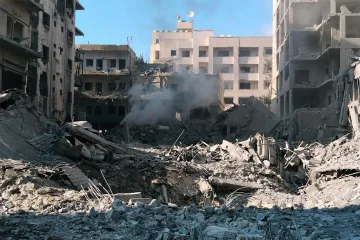
The two-month-old ceasefire has failed to halt the dying. More than 70 children have been killed since the truce began on October 10.
“Generations of families, including those being born now into this ceasefire, have been forever altered,” Ingram said. She described seeing the generational impact daily in hospitals and nutrition clinics – trauma “less visible than the blood and injury, but ubiquitous.”
“No child should be scarred by war before they have taken their first breath,” she said, calling the situation a “brutal reality” resulting from aid restrictions that “depleted hospitals and starved and stressed mothers.”
“So much suffering could have been prevented if international humanitarian law had been respected.”