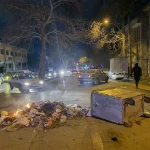
IRANIAN security forces have killed at least 28 protesters and bystanders in a deadly crackdown on nationwide demonstrations that began last week, according to human rights organisations.
Amnesty International and Human Rights Watch said Friday that security forces unlawfully used firearms, metal pellets, tear gas and beatings to disperse largely peaceful protests that erupted on December 28 following a sharp currency collapse.
The deaths occurred between December 31 and January 3 across 13 cities in eight provinces, with the deadliest violence concentrated in areas home to ethnic minorities. At least eight people were killed in Lorestan province and five in Ilam province.
“People in Iran daring to express their anger at decades of repression and demand fundamental change are once again being met with a deadly pattern of security forces unlawfully firing at, chasing, arresting and beating protesters,” said Diana Eltahawy, Amnesty International’s Deputy Director for the Middle East and North Africa.
Currency Crisis Sparks Unrest
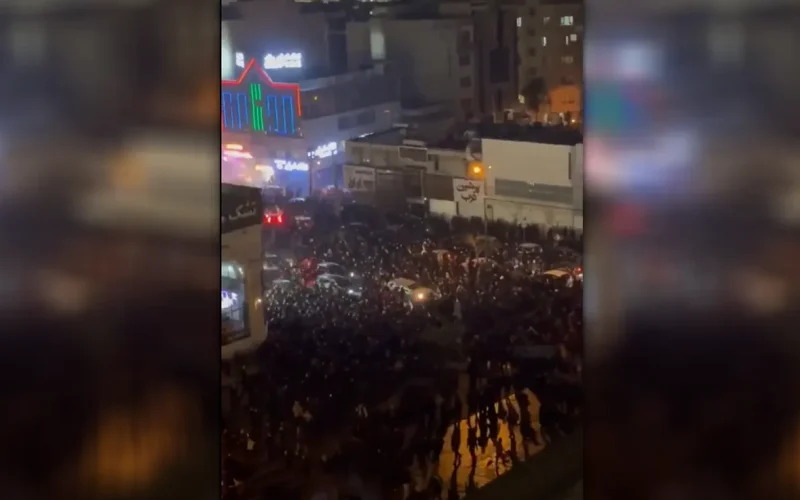
The protests began with shop closures and strikes at Tehran’s Grand Bazaar amid soaring inflation and chronic mismanagement of essential services. Demonstrations quickly spread nationwide, with protesters calling for the downfall of the Islamic Republic system and demanding human rights and freedom.
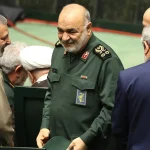
Supreme Leader Ali Khamenei warned on January 3 that “rioters should be put in their place,” the same day security forces killed at least 11 protesters. The Islamic Revolutionary Guard Corps in Lorestan province declared the period of “tolerance” was over, pledging to target “rioters, organisers and leaders” without leniency.
Killings and Injuries Mount
All 28 victims were shot by security forces, including with metal pellets fired from shotguns, according to the rights groups, which interviewed 26 witnesses and reviewed verified videos.
In Azna, Lorestan province, security forces opened fire on peaceful protesters near the county governor’s office on January 1. At least six people were killed, including 16-year-old Taha Safari, whose body showed severe head injuries.
In Malekshahi, Ilam province, IRGC agents fired on hundreds of peaceful protesters marching toward a Basij militia base on January 3. “Three to four people were killed instantly, and many others were injured. The protesters were completely unarmed,” a witness told Amnesty International. Five people died in the incident.
An independent pathologist consulted by Amnesty International confirmed that injuries documented in videos and photographs were consistent with shotgun pellet wounds and live ammunition.
The organisations found that security forces at hospitals have deterred many injured protesters from seeking medical care. On January 4, security forces attacked Imam Khomeini Hospital in Ilam, firing metal pellets and tear gas into hospital grounds and beating patients and medical workers.
Mass Arrests and Coerced Confessions
Security forces have arbitrarily arrested hundreds of protesters, including children as young as 14, during dispersals and nightly raids. Many have been subjected to enforced disappearance and incommunicado detention, placing them at risk of torture.
State media has already broadcast coerced “confessions” of detainees. On January 5, IRGC-affiliated Tasnim News aired “confessions” of an 18-year-old woman and a 16-year-old girl, accusing them of “leading riots.”
Authorities have forced some victims’ families to appear on state media to blame deaths on accidents or protesters, threatening them with reprisals if they do not comply.
International Response Urged
The rights organisations called on UN member states and regional bodies to issue public condemnations and undertake diplomatic action to pressure Iranian authorities to stop the bloodshed.
“The frequency and persistence with which the Iranian security forces have unlawfully used force, including lethal force, against protesters, combined with systematic impunity, indicate that the use of such weapons to crush protests remains entrenched as state policy,” said Michael Page, Human Rights Watch’s Deputy Middle East and North Africa Director.
The organisations urged countries to initiate criminal investigations under universal jurisdiction principles, with a view to issuing arrest warrants for those suspected of responsibility for crimes under international law, including murder, torture and enforced disappearances.