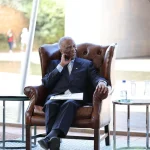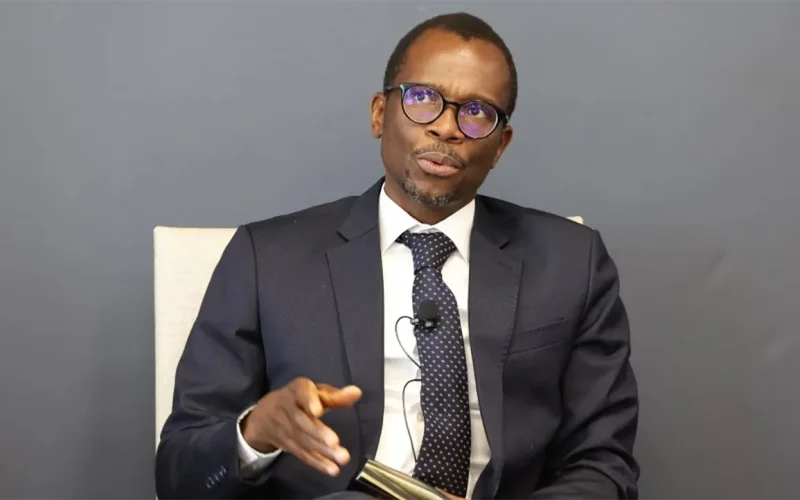
SOUTH Africa’s ambitious economic reform programme is gaining momentum, with the government delivering tangible progress across multiple sectors during the third quarter of 2025/26, according to Deputy Finance Minister David Masondo.
Speaking at Operation Vulindlela’s quarterly briefing, Masondo reported advances in electricity generation, port modernisation, visa processing, and digital government services, while warning that sustained implementation remains critical.
“The economy cannot afford pauses or reversals in the reform programme,” Masondo told media and business representatives. “Structural reforms require consistency, collaboration, and a commitment to sustained execution.”
Masondo emphasised that Operation Vulindlela’s strength lies in breaking down government silos and elevating issues to appropriate decision-making levels.
“OV’s contribution is not simply in producing reports or tracking milestones; it is in the tangible delivery of reforms that resolve long-standing blockages, accelerate implementation, and create enabling conditions for growth,” he said.
“When reforms stall, OV steps in to identify the root cause, convene the relevant actors, and drive solutions that are technically sound and institutionally workable.”
Masondo highlighted progress in the electricity sector, where “additional renewable energy projects coming online and greater private sector participation being enabled” are helping to stabilise supply.
“These reforms are helping to stabilise supply and reduce pressure on the economy,” he said.
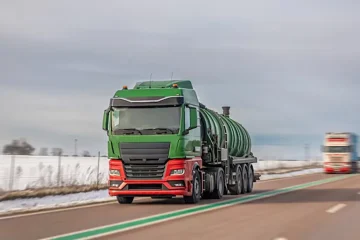
In freight logistics, Masondo announced “a major milestone was reached with progress on port reform at Durban, unlocking new investment and modernisation.”
He added that work is underway to open the freight rail network, “which will support higher volumes and more reliable logistics for exporters.”
The deputy minister reported tangible results from visa reforms, with “improved and digital processes” leading to “a marked increase in tourist arrivals from key markets.”
New initiatives are “strengthening South Africa’s position as a destination for film, creative industries and high-value skills,” Masondo said.
On water security, Masondo said, “preparations advancing to strengthen infrastructure delivery and regulation, supporting long-term water security for households and the economy.”
The government has established a dedicated unit “to fast-track priority infrastructure projects and unlock well-located public land for development,” while developing an affordable housing model to address spatial inequality.
“Digital reform continues to improve access to government services and modernise payment systems, supporting a more efficient and responsive state,” he added.
Masondo said Phase II of Operation Vulindlela, operating under the Government of National Unity, “builds on the momentum created since 2020, when OV was established.”
“Its continuation under the Government of National Unity reaffirms the government’s commitment to driving more rapid, sustainable, and inclusive growth by removing the structural barriers that have long constrained the economy,” he said.
The initiative maintains focus on transforming the electricity sector, modernising freight logistics, ensuring reliable access to safe drinking water, attracting skills and investment, and improving basic service delivery.
“OV has shown that when coordination is strong, when accountability is reinforced, and when leadership is aligned, reforms can and do move,” Masondo said. “Our task now is to maintain that momentum, deepen the progress already made, and ensure that these reforms translate into measurable improvements for households, businesses, and the broader economy.”