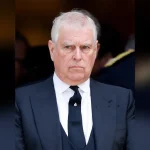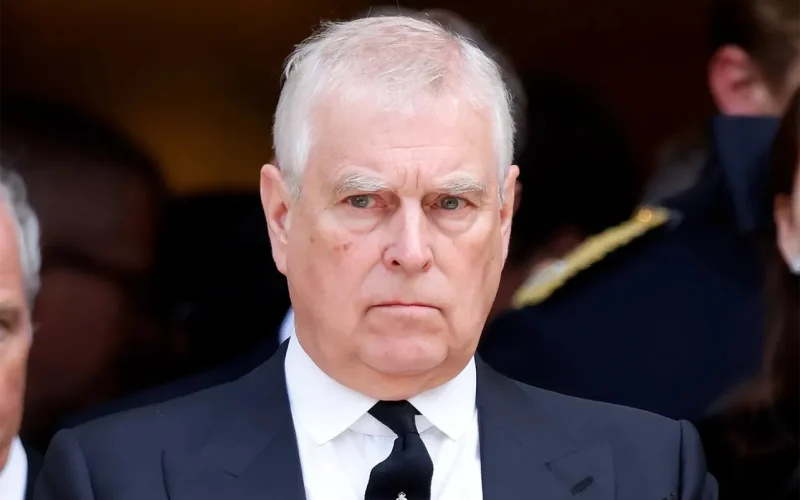
ANDREW Mountbatten-Windsor, the disgraced former Duke of York, was arrested by Metropolitan Police officers at his Windsor home Thursday morning in what represents the most dramatic escalation of the Epstein scandal since Jeffrey Epstein’s own death in 2019 – and the starkest demonstration yet that the investigation’s gravitational pull is far from spent.
The arrest, confirmed by Scotland Yard in a terse statement shortly before 9 a.m. GMT, came on suspicion that Andrew used his official royal office and the prestige of the British Crown to facilitate and enhance Epstein’s business interests – a charge that, if proven, would constitute a profound abuse of public trust and potentially implicate the machinery of the British state itself.
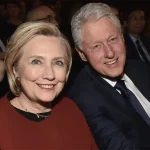
Hours later and across the Atlantic, the Senate Judiciary Committee announced that former President Bill Clinton and former Secretary of State Hillary Clinton had been formally summoned to testify under oath at a hearing scheduled for March. The twin developments sent shockwaves through capitals on both sides of the ocean and raised, with new urgency, the question that has defined this scandal’s second year: whether accountability can reach the very apex of power.
The Arrest
Andrew, 66, had been living under a steadily tightening legal noose since the Metropolitan Police launched a criminal investigation in late 2025, initially focused on allegations that he shared confidential government documents with Epstein. Thursday’s arrest extended that inquiry into significantly more serious territory.
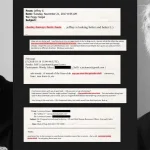
Scotland Yard confirmed Andrew is being held on suspicion of misconduct in public office – one of England’s oldest and most serious common law offences – related to allegations that he actively leveraged his position as a working royal, including his role leading the UK’s trade promotion body, to open doors for Epstein across international business and finance. Sources familiar with the investigation described communications in the released Epstein files suggesting Andrew introduced the financier to senior government ministers, sovereign wealth fund managers, and defence industry figures, allegedly in exchange for personal financial arrangements that have yet to be fully detailed publicly.
The symbolism is staggering. Andrew becomes the first member of a Western royal family to be arrested in connection with the Epstein network, a network that has already stripped him of his royal titles, his military honours, his residence, and very nearly his relationship with the institution his mother spent a lifetime defending. King Charles III, informed of the arrest before it was executed, released no statement.
Buckingham Palace said only that it was “a matter for the relevant authorities.”
A Scandal That Keeps Accelerating
Andrew’s arrest arrives in the same fortnight that Peter Mandelson – the veteran Labour political operator who served as UK ambassador to Washington until his firing in September 2025 – resigned from the House of Lords and surrendered his party membership ahead of his own criminal proceedings. The Metropolitan Police are now running parallel investigations involving two of Britain’s most prominent public figures, a caseload that would have seemed unthinkable eighteen months ago.
Together, the cases suggest that British law enforcement, freed from the political constraints that have visibly hampered the American Justice Department, has concluded that the Epstein files represent not merely a scandal of association but evidence of active criminality by powerful people who believed their status placed them beyond reach.
They were wrong.
The Clintons and the Senate
The summons served on the Clintons marks a different kind of escalation – one whose ultimate consequences may prove equally significant, if more drawn out.
Bill Clinton appears extensively in Epstein’s flight logs, with the former president documented aboard Epstein’s private aircraft – the aircraft that prosecutors and survivors’ advocates have long described as central to the trafficking operation. The Epstein files, now exceeding three million pages in public release, contain communications that Senate investigators say raise pointed questions about the nature and extent of Clinton’s relationship with Epstein, and what, if anything, he observed or was told about Epstein’s conduct toward minors.
Hillary Clinton’s summons relates to a narrower but potentially explosive line of inquiry: her role, as Secretary of State, in decisions affecting Epstein associates operating internationally, and whether any foreign policy equities were colored by her husband’s relationship with Epstein’s network.
Both Clintons have denied wrongdoing. Their legal team issued a statement Thursday calling the summons “a politically motivated fishing expedition” and pledging to “respond through appropriate legal channels.” That language stops short of announcing they will refuse to appear – a decision that would trigger a contempt process and almost certainly escalate rather than resolve their legal exposure.
Senate Judiciary Committee Chairman Chuck Grassley, a Republican, was characteristically blunt. “The American people have watched foreign governments hold their elites accountable. The Senate intends to do the same.”
The Accountability Gap Narrows – But Does Not Close
The developments Thursday partially answer the question that has shadowed the Epstein reckoning from its beginning: whether the United States would remain a sanctuary of impunity for the powerful while international institutions did the work American justice declined to perform.
Andrew’s arrest is British, not American. The Senate committee’s summons is not a criminal referral. Attorney General Pam Bondi, whose February testimony before the House Judiciary Committee devolved into partisan warfare, has given no indication that the Justice Department intends to pursue American co-conspirators with the urgency that London has now demonstrated.
The contrast remains damning. A prince has been arrested. A former British cabinet minister faces criminal charges. A Dubai logistics titan has lost his corporate empire. Norwegian royalty confronts questions about fitness to reign, and a former Norwegian prime minister faces corruption charges.
In the United States, where Epstein operated longest and most extensively, and where the files document connections reaching into the current administration itself, no prominent American figure has been arrested, charged, or — until this week’s Senate summons — formally compelled to account for anything.
The survivors who sat silently behind Bondi during her February hearing are watching. So is the world.