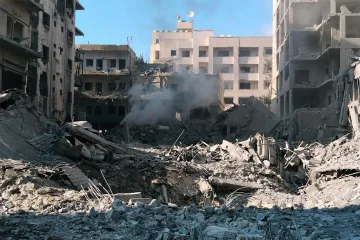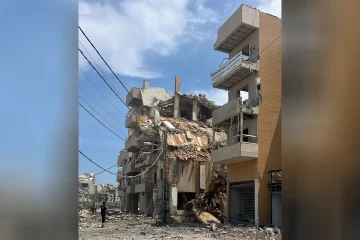

THE United Nations’ top human rights official delivered one of the most sweeping condemnations of the Gaza conflict to date this week, presenting evidence before the Human Rights Council in Geneva of what he described as systematic war crimes, ethnic cleansing, and a manufactured famine — with accountability nowhere in sight.
UN High Commissioner for Human Rights Volker Türk, presenting a year-long report covering November 2024 through October 2025, painted a picture of near-total institutional collapse in Gaza and escalating violence in the West Bank, while laying primary responsibility at Israel’s door — though documenting serious violations by Hamas as well.
The Scale of Death
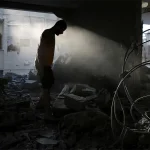
The numbers are staggering. During the 12-month reporting period alone, more than 25,500 Palestinians were killed, and over 68,800 were injured in Israeli military operations. Since the conflict began on 7 October 2023, Israeli forces have killed 1,020 Palestinians in the West Bank alone, with 292 journalists verified dead across the entire occupied territory.
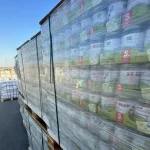
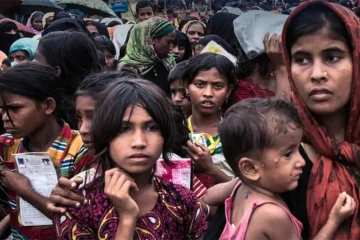
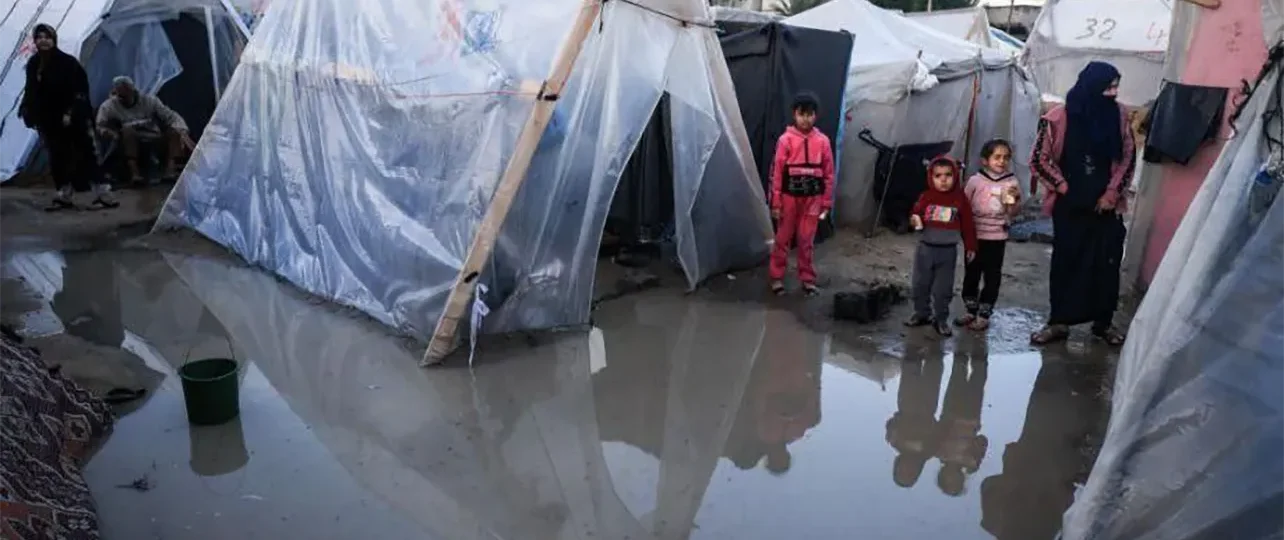
Perhaps the most damning single finding concerns food. Famine was formally declared in Gaza in August 2025, with over half a million people affected. At least 463 Palestinians — including 157 children — are documented to have died from starvation, a figure Türk attributed directly to Israel’s deliberate obstruction of humanitarian aid. A separate mechanism meant to distribute food proved lethal in its own right: between late May and early October 2025, Israeli forces killed 2,435 Palestinians near food collection points, mostly young men and boys.
Ceasefire, But Not Peace
A ceasefire took hold on 11 October 2025, but Türk was careful not to frame it as a resolution. Since that date, Israeli strikes have killed more than 600 and wounded over 1,600 additional Palestinians. Meanwhile, Hamas has been implicated in at least 80 killings since the ceasefire, mostly summary executions and factional clashes — underscoring that the breakdown of civil order in Gaza has created multiple vectors of violence, not just one.
The 51 hostages seized on 7 October 2023, who were released, recounted harrowing experiences, including torture, sexual violence, and prolonged underground confinement — violations Türk condemned as blatant breaches of international law.
The West Bank Dimension
While international attention has concentrated on Gaza, Türk warned that the West Bank — including East Jerusalem — represents a slow-moving but equally alarming crisis. Operation Iron Wall, launched in the northern West Bank in January 2025 and still ongoing, has displaced 32,000 Palestinians. Expanded land expropriation measures, he said, amount to de facto annexation in flagrant violation of the Palestinian right to self-determination.
The Accountability Gap
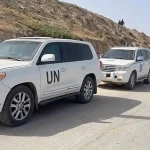
Running through Türk’s address was a pointed frustration with impunity. At least 89 Palestinians have died in Israeli custody since October 2023, with torture described as widespread. Thirty-seven aid organisations have been suspended from operating in Gaza. UNRWA — the main UN agency for Palestinian refugees — has been banned, and its East Jerusalem premises demolished.
“The absence of accountability for the egregious violations committed is nothing short of shameful,” Türk said.
What Comes Next
The High Commissioner stopped short of declaring genocide — a legal determination that falls outside his mandate —, but his language on ethnic cleansing was unambiguous, stating that Israel’s cumulative actions “appear aimed at making a permanent demographic change in Gaza and the West Bank.”
His closing remarks struck a deliberately constructive note, urging that reconstruction be grounded in human rights rather than treated as a logistics operation, and calling for the amplification of Palestinian and Israeli peace movements working toward shared narratives. Whether the council — or the broader international community — has the political will to act on that vision remains the central unanswered question.