AFTER three years of catastrophic conflict, Sudan is divided and partitioned between the warring parties and their various armed allies, with few signs of any breakthrough in mediation efforts, and every indication of further regional escalation.
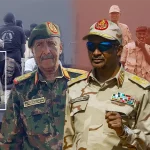
The national army – the Sudanese Armed Forces (SAF) – and the paramilitary-turned-rebel Rapid Support Forces (RSF) were former allies who overthrew a civilian-led government before violently fracturing amid plans to integrate their forces.
Many Sudanese see the SAF as a sovereign army fighting a legitimate battle against a rebel group that has been backed to the hilt by the United Arab Emirates, allowing it to tear through large parts of the country, committing genocide crimes along the way.
Others, however, still see the two groups as part of the same oppressive system – military actors with foreign patrons all seeking to crush civilian and democratic movements and further their corporate interests and hold over Sudanese life.
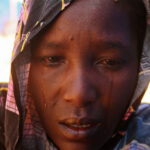
Today, neither the SAF nor the RSF seems capable of winning militarily, yet both are profiting from the war, even as ordinary Sudanese suffer deeply, with more than 11 million currently displaced and many millions experiencing famine.
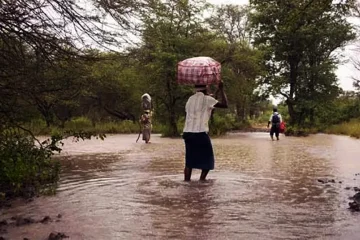
As ever, it is the Sudanese themselves who are responding to the disaster, following a long tradition of mutual aid and communal mobilisation – spanning efforts as diverse as harvesting crops to dealing with floods – now carried forward to deal with a nationwide war.
The most recognised expression of this solidarity has been the extraordinary work of Emergency Response Rooms (ERRs) – decentralised mutual aid networks operating across the country and run by thousands of volunteers.
But there are many other configurations less noticed by outsiders, from networks of families, friends, and strangers sheltering the displaced in their homes, to neighbourhood soup kitchens, to farmers’ cooperatives and unions.
The stories below – almost all reported by Sudanese journalists operating in difficult conditions inside and outside the country – reflect our most important coverage on Sudan over the past 12 months. Please do take the time to read them.
The RSF’s genocide in Darfur
The RSF, mostly drawn from Darfur’s Arab groups, descends from the Janjaweed militias that carried out genocidal crimes against non-Arab communities in Darfur in the 2000s. Many see that history is repeating itself in the current war. Following the RSF massacres against non-Arab Masalit communities in West Darfur in 2023, the group carried out large-scale killings late last year in North Darfur’s El Fasher, the last major city in Darfur that was still held by the army and allied fighters. The RSF imposed a 500-day siege on El Fasher before seizing it in October and turning its guns on the remaining residents, many of whom were from non-Arab groups. Tens of thousands are believed to have been massacred in one of the worst single atrocities of the 21st century. In the days that followed, our journalists painstakingly reviewed footage of abuses – much of it filmed by RSF fighters themselves – and interviewed survivors to piece together a series of reports that stand as a record of what unfolded.
Personal stories of struggle and survival
Some of The New Humanitarian’s strongest reporting on conflicts comes through first-person storytelling, and it’s been no different with Sudan. From photo essays to narrative nonfiction, the stories below offer a window into the human toll and complexity of a war that has produced the world’s largest displacement and hunger crises.
Mutual aid and a failing international response
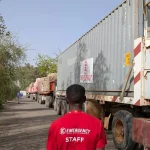
Since the war began, we have been profiling the efforts of Emergency Response Rooms alongside other local initiatives that have become the backbone of relief efforts in Sudan. We have also been reporting on the struggles and shortcomings of international aid organisations, many of which pulled out of conflict zones early in the war, and have struggled to mount an effective response ever since.
–––––
The New Humanitarian puts quality, independent journalism at the service of the millions of people affected by humanitarian crises around the world. Find out more at www.thenewhumanitarian.org.