THE emergency meeting of the UN Security Council, called by France in response to a surge of violence between Israel and Hezbollah, highlighted growing international alarm even as US-led mediation efforts continue. Council members urged both sides to de-escalate, stressed the protection of civilians and reaffirmed support for the UN Interim Force in Lebanon (UNIFIL), whose role has become central to preventing broader conflict.
UN Secretary‑General António Guterres warned the Council that UNIFIL will be needed beyond its current mandate expiry on 31 December, and presented three deployment scenarios ranging from roughly 2,000 to more than 5,500 personnel to monitor any ceasefire and back the Lebanese Armed Forces. “Peacekeepers will be needed in Lebanon beyond that date,” Guterres told the Council, underscoring the uncertain security calculus along the Blue Line and the likelihood that Lebanon will require a sustained international presence to stabilize the south.
Ground reports from UNIFIL paint a deteriorating tactical picture. UNIFIL spokesperson Tilak Pokharel told UN News that violence has increased in recent days: “We have seen more trajectories being fired from both sides. For example, yesterday marked the highest number of trajectories fired by the Israeli side, IDF, and the day before was also at the same level, almost.” He added that “non‑state armed groups also continue to fire into Israeli targets from Lebanon.”
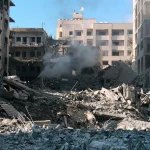
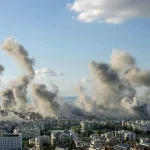
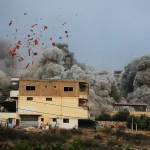
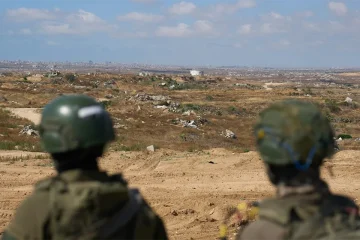
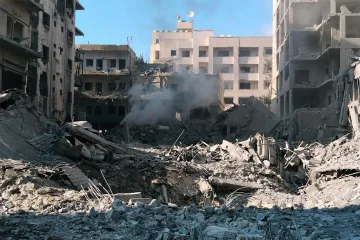
The intensified operations have translated into wide destruction of civilian infrastructure and homes. Pokharel said the IDF had pushed deeper into Lebanese territory and carried out “large‑scale destruction of houses and other civil infrastructure,” forcing residents from their homes. “Much of the area that our positions are is under IDF control,” he said, noting displaced people have been unable to return.
Those access constraints are amplifying humanitarian needs. “UNIFIL is trying to help people who have decided to stay by supporting access for humanitarian organizations, and by escorting aid relief missions,” Pokharel said. He added: “On a few occasions, we have also provided small‑scale donations to address the immediate needs, not only within the area of UNIFIL’s operations, but also outside, where people from our area were forced and evacuated, or forced to flee, and are living outside collective shelters.”
Roadblocks, destroyed bridges and mines are compounding operational challenges. “Many of the bridges were targeted, along the Litani River, and peacekeepers encounter a lot of roadblocks as well as mines being planted on the roads… it is an extraordinary situation where we’re operating in,” Pokharel said.
The security environment is exacting a toll on peacekeepers. “Peacekeepers coming from faraway countries, who are far away from their homes, families, friends, spending time here, faced challenging times in the south of Lebanon, have had to stay in bunkers for days, if not weeks,” he said. He described supply interruptions: “In the aftermath of the latest escalation, there was a situation in which they could not resupply their positions, some were left without food, or fresh food or water, for days… we have been through all of this.” Pokharel concluded by noting the human cost: “Six of our peacekeepers died doing their duty in south Lebanon for peace and stability” since hostilities began on 2 March.
Taken together, the Security Council briefing and UNIFIL’s on‑the‑ground assessment point to a widening crisis: tactical escalation that is displacing civilians and degrading infrastructure, operational constraints that limit humanitarian access, and mounting pressure on a peacekeeping mission already facing an uncertain future. With negotiations ongoing, the international community faces a choice between bolstering UNIFIL to prevent further spillover or risking a protracted and more destructive confrontation across the Blue Line.