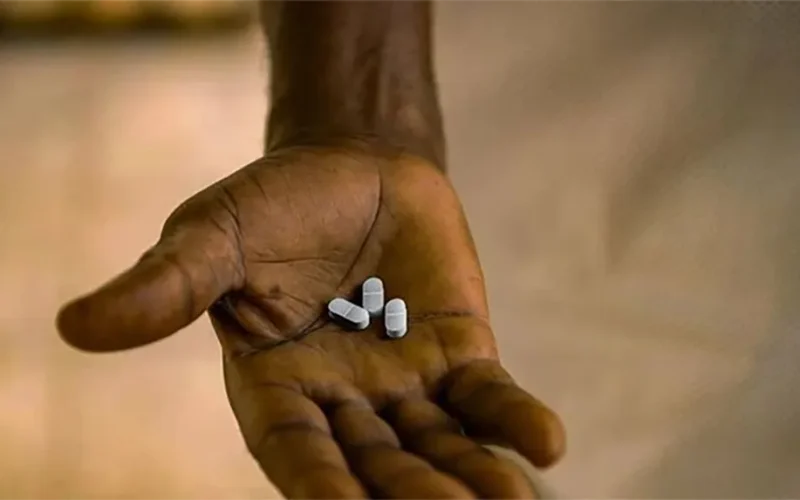
THE Democratic Republic of the Congo (DRC) has approved the use of Acoziborole Winthrop (acoziborole) as a single-dose oral treatment for both early- and advanced-stage gambiense sleeping sickness in adults and adolescents aged 12 years and older who weigh at least 40 kilograms.
The decision follows Phase II/III clinical trials conducted in the DRC and in Guinea by the medical research non-profit organisation Drugs for Neglected Diseases initiative (DNDi), in partnership with the DRC and Guinea’s national sleeping sickness control programmes. The studies demonstrated that acoziborole is safe and has a cure rate of up to 96 per cent across both disease stages.
Acoziborole was co-developed by DNDi and the pharmaceutical company Sanofi. It will be available free of charge to patients.
In 2024, the DRC reported 330 cases of sleeping sickness, accounting for more than half of all cases reported across Africa that year—a steep decline from the late 1990s. In 1998, nearly 40,000 cases of gambiense sleeping sickness were reported on the continent, with an estimated 300,000 undiagnosed.
The DRC has been at the forefront of clinical research and registration of several new treatments against the disease. The latest, acoziborole, will be a crucial tool in reaching the final mile to sustainably eliminate a disease that has killed millions of Africans over the past century.
Dr Erick Miaka, Director of the DRC’s national sleeping sickness control programme, said the registration of acoziborole in the DRC is fantastic news for patients.
“The drug represents a major advance over existing treatments: it does not require hospitalisation, is well tolerated, and can be administered immediately after diagnosis. This will allow us to reach the most remote endemic areas. With this new tool, we can realistically aim at eliminating the disease in the coming years,” said Miaka.
Existing treatments require either a 10-day course of oral medicine or, for patients in the most advanced stage of the disease, a combination of injection and oral therapy that requires several days of hospitalisation.
In February 2026, acoziborole received a positive opinion from the European Medicines Agency through the EU-M4all procedure, providing a strong endorsement that the medicine meets high-quality standards. Following registration in the DRC, the approval is expected to enable other sleeping sickness-endemic countries in Central and West Africa, including Guinea, to authorise importation and accelerate access to the new medicine.
Chirac Bulanga, West and Central Africa Director at DNDi, said that with foreign aid and global health in crisis, the development of acoziborole represents a resounding success for African science and global cooperation.
“It is powerful proof that alternative models of medical research, based on patients’ needs, can deliver new breakthrough medicines. We are delighted that the communities most affected by the disease will finally have access to this treatment, which they played a major role in developing,” he said
Transmitted by the bite of an infected tsetse fly, human African trypanosomiasis, commonly known as sleeping sickness, is almost always fatal without treatment. In the early stage of the disease, people experience headaches or fever. In the late stage, the parasite crosses the blood-brain barrier and invades the central nervous system, causing behavioural, cognitive, and neurological symptoms, including seizures, sleep disturbance, aggression, confusion, lethargy, convulsions, and, ultimately, death.
Until two decades ago, the only available treatment for patients with the late stage of the disease was an injectable arsenic derivative with serious side effects. More than 20 years of investment in new therapeutic tools has resulted in increasingly effective treatments, including the nifurtimox-eflornithine combination therapy in 2009 and the first oral treatment, fexinidazole, in 2018.
Sanofi, the market-authorisation holder, will donate acoziborole to the World Health Organisation through its philanthropic organisation, Foundation S – The Sanofi Collective.
Acoziborole has also been evaluated in children aged 1 to 14 years in a clinical trial conducted in the DRC and Guinea, generating data to support its use in children, who have historically faced even greater neglect than adults when it comes to treatment.
- Acoziborole Winthrop is the first oral single-dose new chemical entity to be issued from DNDi’s lead optimisation programme for sleeping sickness. It started with an initial hit identified in the chemical library of Anacor Pharmaceuticals, which Pfizer acquired in 2016. The initial structure was optimised with Scynexis and Pace University, selected as a candidate for development, and Phase I safety studies were conducted successfully in France, the UK, and Malaysia.