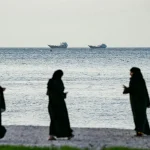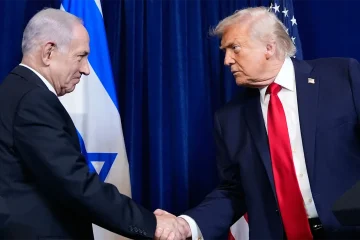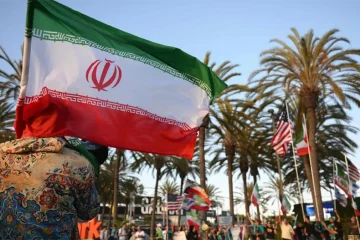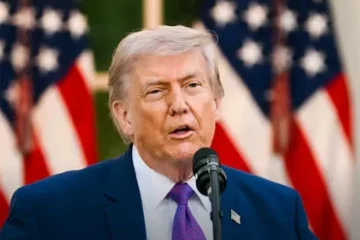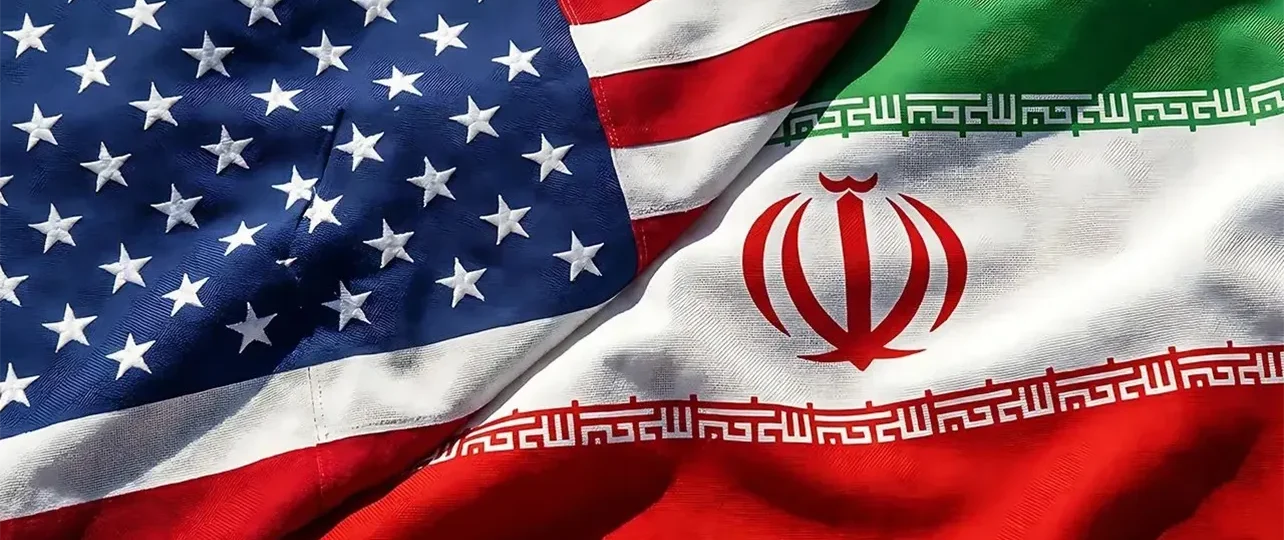

THE United States and Iran have signed a historic peace agreement to end nearly four months of war, centered on reopening the strategically vital Strait of Hormuz and launching 60 days of nuclear negotiations. The accord halts hostilities across all fronts—including Lebanon—but leaves Iran’s nuclear program unresolved for future talks.
British Prime Minister Keir Starmer and French President Emmanuel Macron have both welcomed the deal as a significant diplomatic breakthrough, yet their endorsements carry uncompromising conditions: Iran must never acquire nuclear weapons, and free navigation in the Strait of Hormuz must be restored without tolls or conditions.
The Deal at a Glance
Key Terms of the Agreement
| Component | Details |
| Strait of Hormuz | Immediately reopened; Iran must demine the waterway and refrain from charging tolls |
| Ceasefire | Extended 60 days from April’s agreement to facilitate final resolution talks [ |
| Nuclear Program | Iran reaffirms it will not procure nuclear weapons; disposal of 9,000kg+ enriched uranium stockpile to be negotiated |
| US Sanctions | US grants Iran waiver to sell oil during 60-day extension; broader sanctions relief contingent on nuclear progress |
| Proxy Groups | Iran must cease funding regional proxies including Hezbollah |
| Military Actions | Both sides suspend all military actions across all fronts |
Britain’s Reaction: Warm Welcome with Tough Conditions
British Prime Minister Keir Starmer expressed strong endorsement of the deal, calling it “a significant milestone toward resolving the conflict and restoring regional stability”. However, his support carries explicit conditions.
“Free navigation without tolls must be reinstated in the Strait of Hormuz,” Starmer asserted, adding that the UK stands ready “to assist with mine clearance.” He also reiterated the UK’s steadfast position that Iran should never possess a nuclear weapon.
Starmer had previously told President Trump that “any agreement to end the Iran conflict must secure a durable and lasting peace,” emphasizing the UK’s readiness to support implementation.
Criticism emerged domestically: A political commentator on GB News branded Starmer’s praise as “weak” and “lacking in strength,” arguing the Prime Minister’s endorsement lacked sufficient criticism of the deal’s potential weaknesses.
France’s Position: Macron Urges Swift Implementation While Vowing “Never” on Nuclear Weapons
French President Emmanuel Macron has been a vocal advocate for rapid agreement, calling for the Strait of Hormuz to reopen “without conditions and in accordance with international law”. Following the deal’s announcement, Macron joined European leaders welcoming it as a positive development.
Macron’s position remains uncompromising on Iran’s nuclear ambitions:
“Iran shall never possess nuclear weapons, not in five years, not in 10 years, never,” Macron declared in a previous address to Congress, a stance he has maintained.
E4 Nations: Britain, France, Germany, Italy Ready to Lift Sanctions
The European coalition (E4) issued a joint statement praising the agreement as “a moment to restore stability and stabilize the global economy”:
- Sanctions relief: The E4 nations said they are “prepared to lift sanctions on Iran in response to steps on its nuclear program”
- Nuclear guarantee: “Iran must never acquire a nuclear weapon. We stand ready to work with the US, Iran, and the IAEA to this end”
- Freedom of navigation: The coalition emphasized “unconditional and unrestricted freedom of navigation” in the Strait of Hormuz
- Collaboration: European leaders expressed readiness to collaborate with the U.S., Iran, and the International Atomic Energy Agency (IAEA)
What the Deal Does NOT Address
The agreement offers few details on Tehran’s nuclear programme, leaving the “thorny question” of enriched uranium disposal for the 60-day negotiation period. Officials indicate negotiations will focus on:
- Destruction of uranium on-site
- Removal of enriched uranium from Iran
- Specific procedures still under discussion
Global Context
The deal is expected to promote regional stability and ease a global energy crisis triggered by the Strait of Hormuz blockade, which threatened oil shipments. India, Qatar, Germany, and other nations have welcomed the agreement as a “significant diplomatic breakthrough”.
However, the ceasefire extension means the critical nuclear issue remains unresolved, with the world watching whether 60 days of negotiations can prevent Iran from ever acquiring nuclear weapons—a condition Britain, France, and the E4 nations have made absolute.
Bottom Line
This peace agreement marks a decisive shift from military confrontation to diplomacy, but Europe’s support carries red lines that cannot be crossed. The 60-day window will test whether President Trump’s administration and Tehran can deliver on the nuclear promise that Starmer and Macron have deemed non-negotiable. The Strait of Hormuz is open, but the fate of the Middle East’s nuclear balance remains uncertain.