In the heartland of South Africa’s liberation spirit, Special Olympics and Nike turned Youth Day 2026 celebrations into a masterclass in what sport can do when it refuses to leave anyone behind.
THE streets of Soweto have always known how to speak to the soul of a nation. Fifty years on from the youth who changed history in 1976, another generation took to those same streets on Youth Day 2026 – not in protest, but in celebration, and not alone.
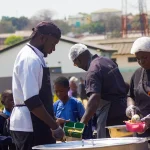
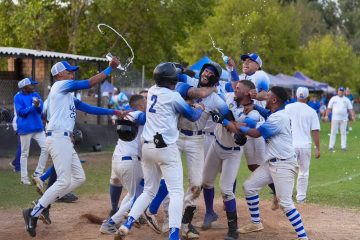
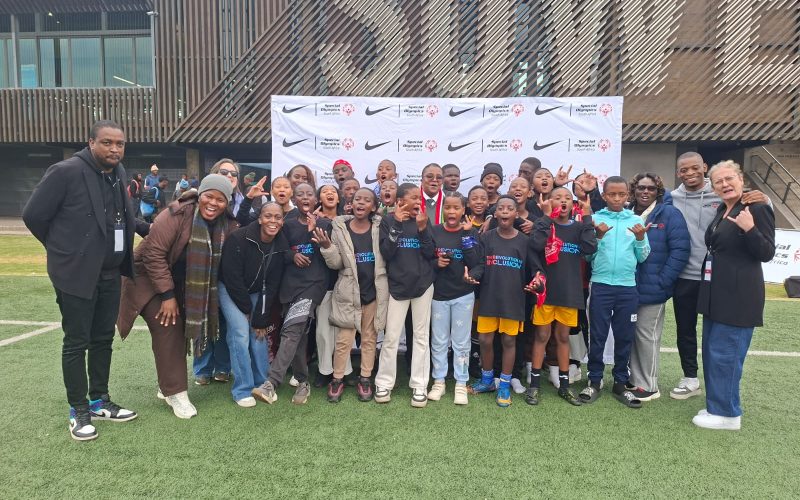
At the Nike Shapa Centre, a venue that has come to symbolise the beat of township sport, more than 300 young people gathered in a collision of colour, noise, laughter and sweat. Athletes with and without intellectual and developmental disabilities laced up alongside football legends, corporate volunteers and government officials, united by something older and simpler than any policy brief: the joy of playing together.
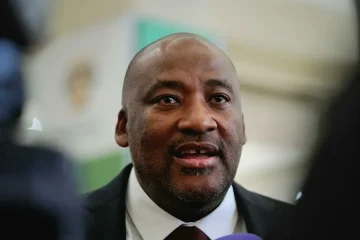
“This is more than a sporting initiative — it is a commitment to dignity, equality, and building a society where every young person has the opportunity to reach their full potential.”— Dr Mathews Phosa, Chairperson, Special Olympics South Africa
A Field Day Fifty Years in the Making
Special Olympics South Africa, in partnership with Nike, the Department of Women, Youth and Persons with Disabilities, and the National Youth Development Agency (NYDA), staged what may be the most emotionally resonant sporting event on South African soil this year. The occasion was Youth Day 2026. The venue was deliberately chosen. Soweto is not merely a township; it is a monument to the belief that young people, when they decide they matter, can move the world.
The event honoured that legacy by creating something the 1976 generation could scarcely have imagined: a stadium of equals. Youth with and without disabilities competing, coaching, and celebrating on the same field, wearing the same kit, chasing the same ball.
Football Royalty Showed Up
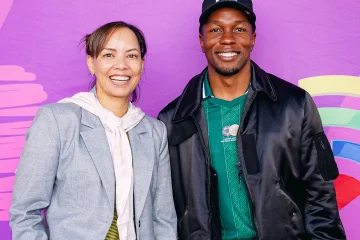
The guest list read like a who’s who of South African sport and entertainment. Banyana Banyana legend Desiree Ellis — the coach who took the nation’s women’s football to the Africa Cup of Nations title — was there. So were Josta Dladla, Morgan Gould, Tefu Mashamaite and Oupa Manyisa, players whose boots have graced the finest pitches on the continent. They did not come to be photographed. They came to play.
Media personalities Courtnaé Paul, Melanie Ramjee, Cowboii, Tman Express, Joy Manana, Kayise Ngqula, Sbu Shongwe, Letshego Moshoeu and Lerato Phago brought the cameras and the crowd — and ensured that what happened in Soweto on this day would not stay in Soweto.
Twenty Nike employees swapped their desks for bibs and whistles. They coached more than 200 athletes across the day – not as a corporate box-ticking exercise, but as participants in something genuinely moving.
Mariette Brethouwer, Senior Director of Nike Social & Community Impact for Europe, the Middle East and Africa, said: “At Nike, we know that play and sport can be transformative for young people. By setting the standard for inclusive coaching, Nike and Special Olympics are helping to improve the sporting experience for everyone. Our commitment to inclusive coaching also extends to Nike employees, whom we empower to share their passion for sport with communities around the world – including 20 dedicated employee volunteers who coached more than 200 athletes during the Youth Day celebration at Shapa Soweto. The event was a powerful demonstration of Unified Sports in action, and we look forward to continuing our work with Special Olympics to help shape a more inclusive future for sport.”
Unified Sports is not a concession or an accommodation. It is a philosophy: that when you play together, you see each other differently. What Shapa Soweto proved on Youth Day is that the philosophy works, and it works loudly.
Government Leans In
Deputy Minister of Women, Youth and Persons with Disabilities, Mmapaseka Steve Letsike, attended the event – a signal that inclusive sport has found a home not only in corporate boardrooms but in the corridors of government. NYDA’s Sbusiso Makhathini was also present, representing an agency whose mandate – expanding opportunity for South Africa’s youth – found vision and expression on every pitch and court at Shapa.
Dr Phosa was emphatic that the day’s significance extended well beyond sport: “Together, we are creating meaningful opportunities where young people with intellectual and developmental disabilities, alongside their peers without disabilities, are able to participate as equals, develop as leaders, and thrive through the unifying power of sport.”
What Inclusion Actually Looks Like
There is a version of inclusion that lives in mission statements and annual reports. Then there is the version that lives in a child’s face when a football legend passes them the ball and says: “Your turn.” Soweto on Youth Day 2026 was the second kind.
Special Olympics International notes that Unified Sports programmes are among the most effective tools for building acceptance and social cohesion that sport has yet devised. The Shapa Centre event was proof of concept at scale – over 300 participants, across ability categories, across generations, across sectors, all playing the same game.
Nike’s global partnership with Special Olympics International, which focuses on expanding sport access, strengthening inclusive coaching and advancing inclusive communities worldwide, found its most vivid local expression yet in the dust and joy of Soweto.
The Story Soweto Told the World
South Africa faces many hard stories. Unemployment. Inequality. A generation that can feel forgotten. But Soweto on this Youth Day told a different story: that when you build a stage big enough for everyone, everyone rises to it.
Fifty years from now, the children who laced up at Shapa Centre on 18 June 2026 will tell their grandchildren that they played alongside legends. That they were not spectators in someone else’s dream. That on the day South Africa remembered its youth, South Africa’s youth remembered each other.
That is the kind of story sport exists to tell.