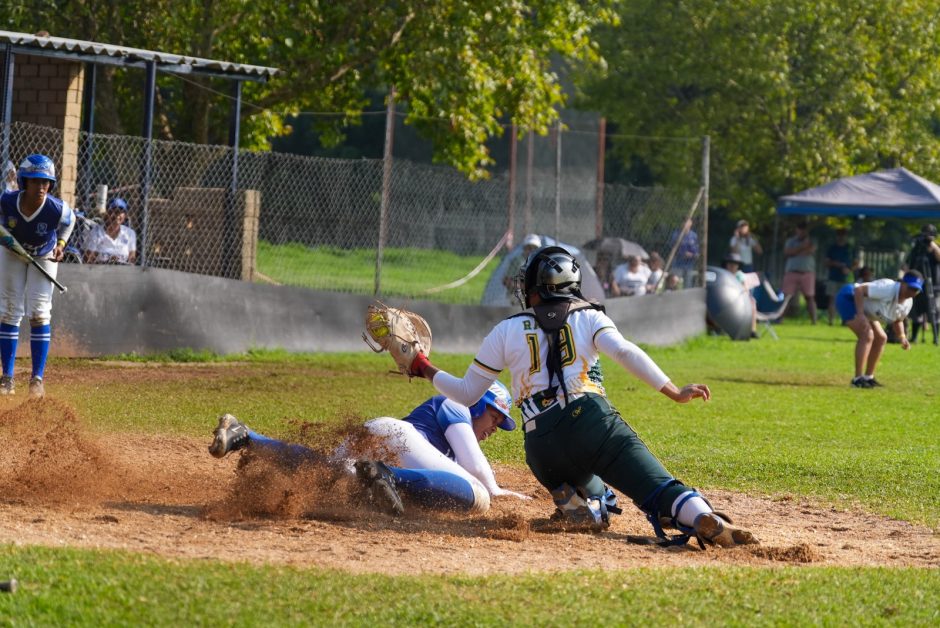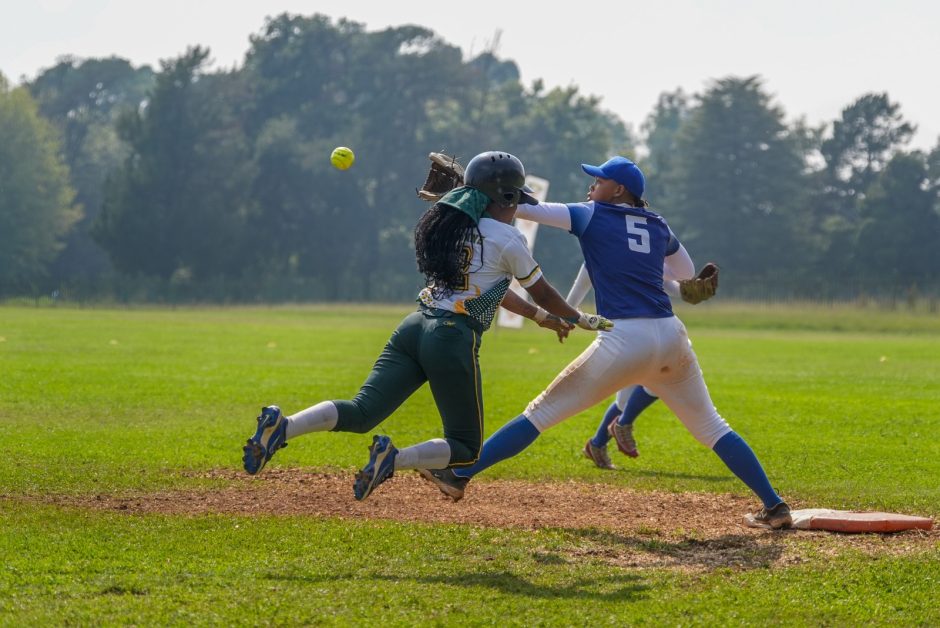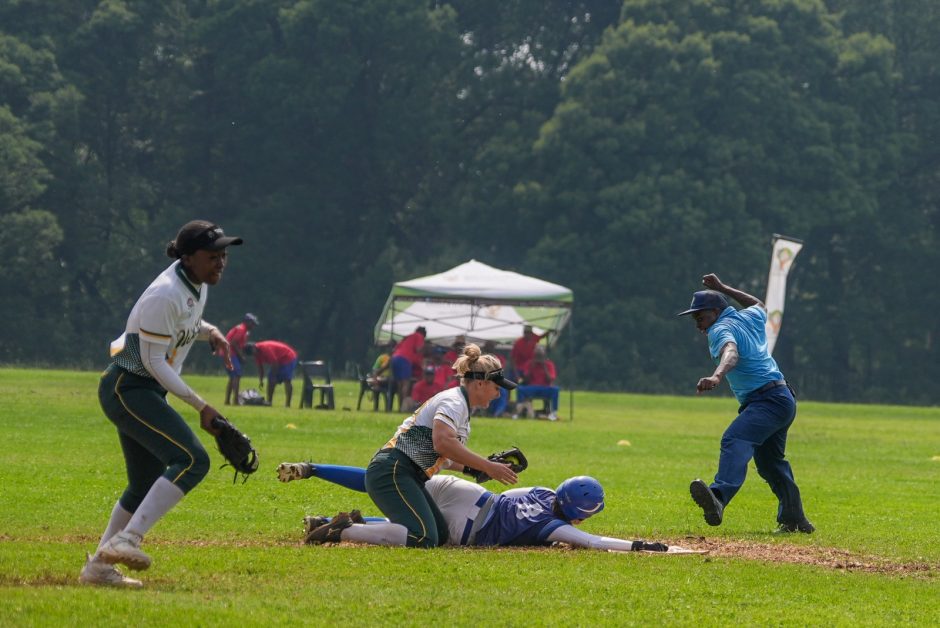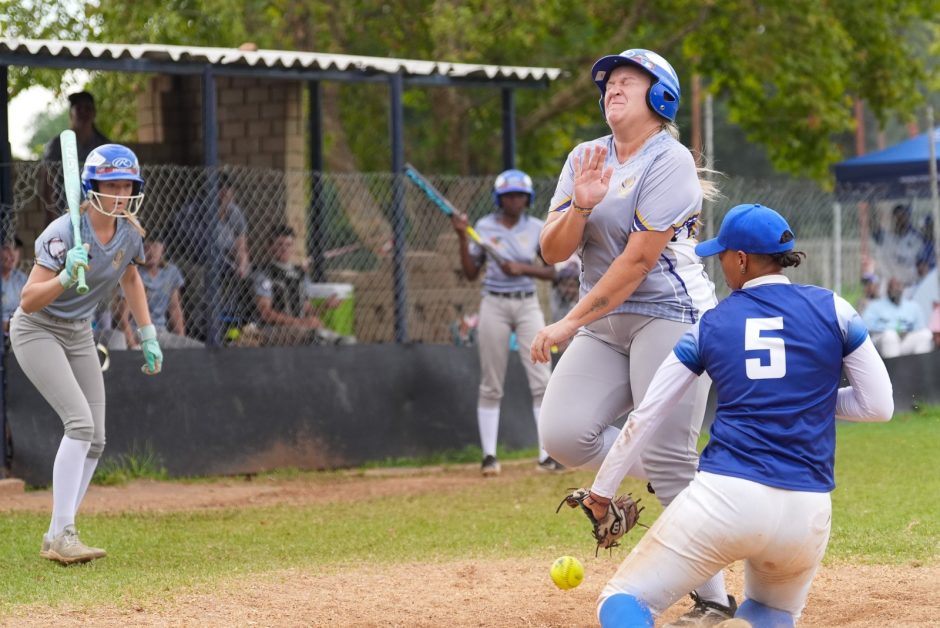

THE 2026 Softball South Africa National Provincial Championship did not simply produce two deserving champions. It produced a statement – about where this sport has been, where it intends to go, and which generation of South Africans will take it there. Four days of fierce, sunlit competition at Kempton Park, Johannesburg, delivered the kind of theatre that reminds you why provincial sport, at its best, remains one of the most honest expressions of athletic identity anywhere in the world.
Both finals were settled by margins thin enough to slide under a plate umpire’s call. Both produced champions who had waited – one for a season, one for a decade and a half – to stand where they finally stood. And across both divisions, a cohort of young players, many competing at this level for the very first time under a landmark new age restriction, showed that South African softball’s next chapter is not a question of talent but of time.
The Match Nobody Will Forget
Gauteng against Western Cape in the women’s final. Nine runs apiece through most of the tension, before Gauteng found the single run that mattered most. A 9-8 victory sounds neat in a scorebook. On the diamond, with the game alive on every pitch, it was anything but.
There is a particular cruelty – and beauty – to one-run games in softball. Every decision amplifies. Every stolen base, every sacrifice, every borderline swing that catches or misses the corner of the strike zone can be the play that decides everything. The Gauteng women absorbed that pressure and converted it. Western Cape, for their part, pushed the eventual champions to the limit of what provincial sport demands.
The University Sport South Africa side rounded out the podium in third, an outcome that will carry weight well beyond the celebration. Student athletes playing at NPC level and claiming a podium finish signals something about the growing infrastructure of collegiate softball – the pipelines being built at campus level that will feed the provincial and national game for years to come.
That the women’s draw featured six provinces – Gauteng, Western Cape, USSA, North West, Limpopo, and Free State – speaks to a federation actively making good on its promise to grow the women’s game across all nine provinces. Representation at a national championship is never incidental; it is the product of years of grassroots investment, regional coaching programmes, and the kind of quiet administrative work that rarely gets headlines.
Fourteen Years in the Waiting
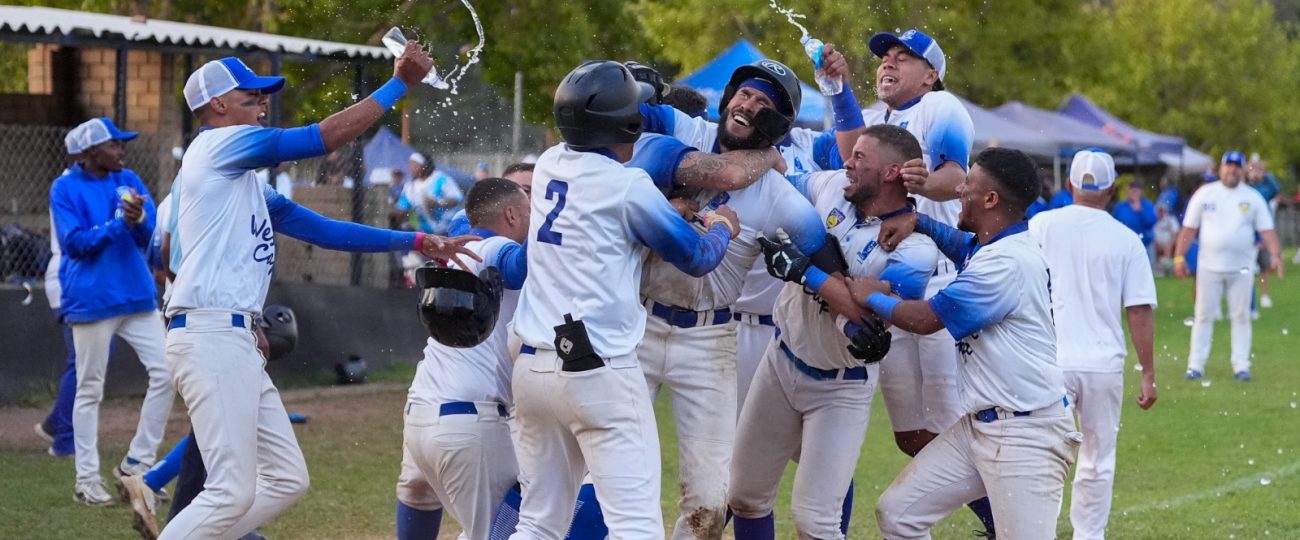
In sport, droughts have a way of defining the teams that break them. When Western Cape’s men walked off the Kempton Park diamond as national provincial champions, defeating USSA 9-7 in the final, they were not just claiming a title. They were ending fourteen years of near-misses, good campaigns that fell short, and the particular weight of a trophy that remained in other hands.
That number – fourteen years – deserves to sit with you for a moment. In the life of a softball career, fourteen years is everything. Players who were teenagers when Western Cape last held this title are now in their late twenties or early thirties, some nearing the end of their playing days. Some who dreamt of lifting the trophy as junior players never got there.
The players who finally did it in 2026 carry all of that history with them, whether they know it or not.
The USSA men were worthy finalists, competitive through the innings and spirited until the final out. That both USSA teams – men and women – made the podium represents a genuine double achievement for student softball in South Africa. Gauteng’s men claimed a well-earned third, completing a tournament that their province can reflect on with genuine satisfaction across both competitions.
The Rule That Changes Everything
Results matter. But the result that may matter most from the 2026 NPC has no scoreline attached to it.
For the first time in the championship’s history, participation was restricted to players aged 35 and under. One rule change. Profound implications.
At its surface, the decision is about regeneration – creating space for younger talent to compete at the highest provincial level rather than finding their pathway blocked by experienced veterans who might otherwise play into their forties. Beneath the surface, it is about something more fundamental: what the NPC is for.
Championships serve different purposes at different moments in a sport’s development. At this moment in South African softball, the federation has decided that the NPC should be a proving ground, a crucible for the generation that will carry the sport forward — not merely a celebration of those who have already arrived. It is a brave editorial decision about the competition’s identity, and the quality of play in both finals suggests it was exactly the right one.
The under-35 cohort did not need to be eased in gently. They delivered finals that would have satisfied any audience, experienced or not.
Unity, Dignity, and the Diamond
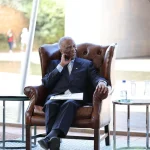
The 2026 NPC fell just days after Human Rights Day, South Africa’s annual reckoning with the long arc of its history and the values its Constitution enshrines. Softball South Africa chose to anchor the tournament explicitly to those values – equality, unity, diversity, dignity – and there was nothing perfunctory about it. Legends of the sports – Mathews Kutumela – legendary past president of SSA, and Mike Mhlongo, the legend of the pitching mound, graced the tournament as guests of SSA President Mashilo Matsetela.
Sport does not automatically produce unity. It can produce tribalism, rivalry, and exclusion just as easily. What produces unity is the deliberate architecture of inclusion: six provinces in the women’s draw, student athletes on the podium, a rule change designed to open the sport’s highest stage to those who have not yet had their moment. The 2026 NPC was designed with those intentions. By every measure, it delivered on them.
Play hard. Play fair. Play for everyone.
The 2026 NPC Champions: Gauteng (Women) · Western Cape (Men)