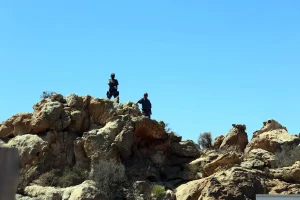
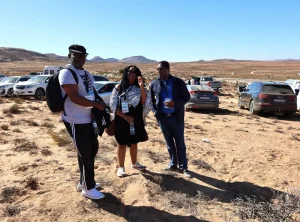
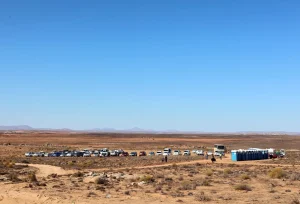
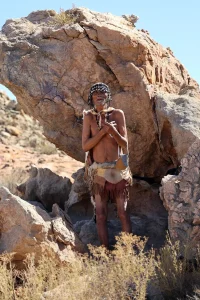
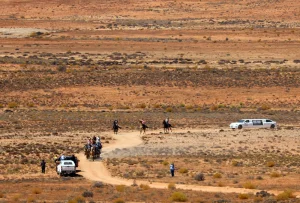
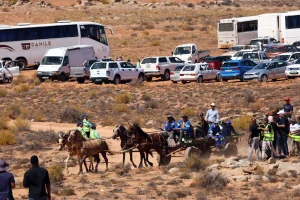
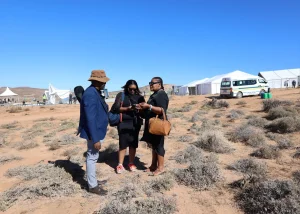
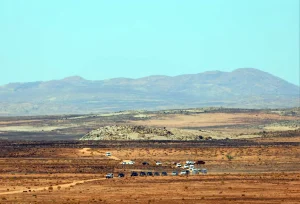
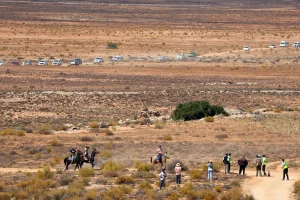
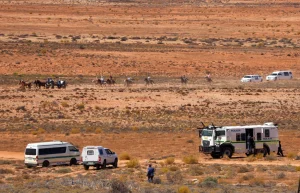
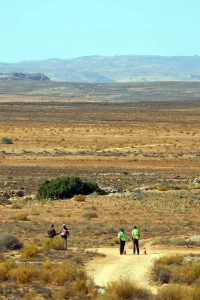
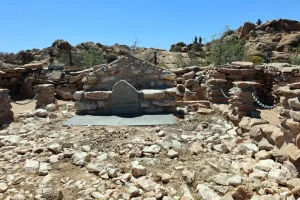
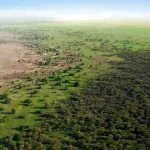
THE hills and granite-like boulders stand as sentries around the Kinderle area outside Steinkopf in the Northern Cape. The ground is sandy and loose, the shrubs are xerophytic, able to withstand the harsh environment and the heat.
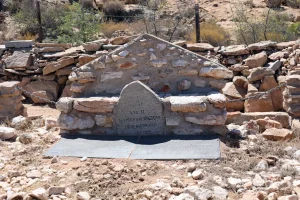
Below the boulders is the mass grave containing the remains of 32 Nama children killed in an intercommunal strife in the second half of the 1800s. It is a desolate area with no visible community in sight.
The children’s graveyard is protected by a stone wall, stacked with no mortar, just like the Great Zimbabwe Monument outside Masvingo in Zimbabwe, and the Dzata Monument in Nzhelele, Limpopo.
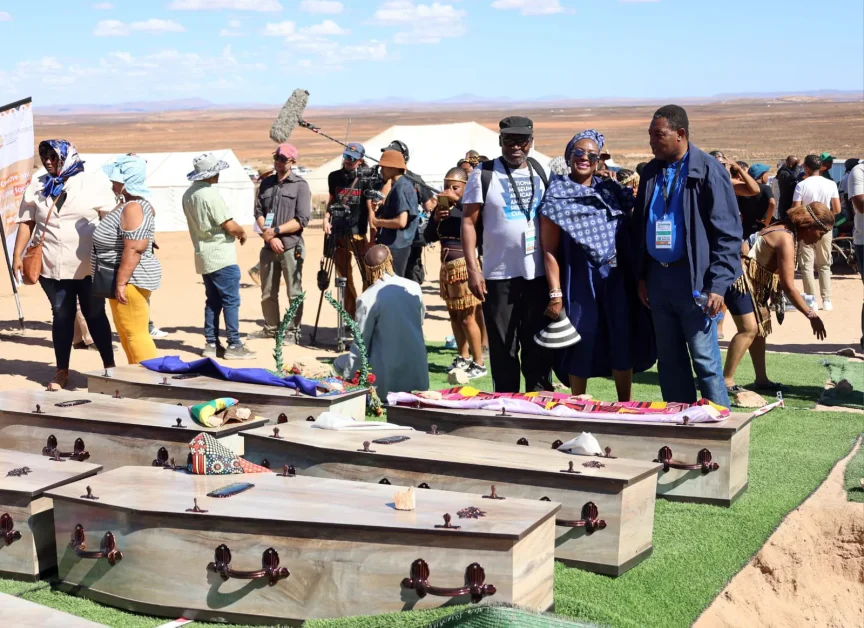
The grave was the only one there, until on Monday, that is, when the mass grave got new neighbours, all 63 of them in one go. These were ancestral remains that were dug up from their graves more than a 100 years ago, some taken to Europe, whilst some were kept at museums here in the country where they were exhibited as objects in the “museum of things”.
They were things, not people. The racism that formed the core of colonialism and settler colonialism meant that the Khoi and San people, who were the first to make contact with the invading Europeans, bore the brunt of abuse.
Stripped of their humanity, their skeletal remains were dug up, stolen, and taken to Europe under the guise of a pseudo-science, but most probably also as trophies of conquest. Museums such as Iziko in Cape Town and the University of Cape Town have held Khoi and San remains in boxes and displays.
The looting of artefacts such as masks, artwork, and minerals included the skulls and whole skeletons dug up from graves. To date, for example, the skull of King Hintsa from the Eastern Cape, taken by the British, has not been found, not for want of searching and demanding.
The Benin Bronzes and other items were only returned to Nigeria last year, as was the tooth of the first Prime Minister of the Congo (today the Democratic Republic of Congo), Patrice Lumumba, who was tortured and killed and his body dismembered and dissolved in acid. His golden tooth was the only part that survived and was kept as a trophy by the Belgian who led the killer squad.
The abuse was universal, and even today, many remains of South Africans lie in museums and research centre boxes as objects of macabre interest, and not as remains of human beings worthy of respect and the dignity of a burial.
In this country, after the 1994 democratic elections, issues were raised about the remains of South Africans in foreign lands. The most famous was Sarah Baartman, who was taken to the United Kingdom and later sold to some French man who used her as a prostitute and a freak show for cash due to her abundant bottom.
When Baartman died, her body was cut and dissected, and the membranes of her vagina were kept in jars in a Paris laboratory. It took the intervention of Nelson Mandela to get the French to pass a law to allow for her repatriation in 2002.
Back here at home, a campaign was also launched to remove human remains that were in museums used as exhibits. More than fifty such remains were taken from Iziko and stored in boxes. But that was not enough, as the democratic promise of restoring dignity to those stripped of their humanity and dignity meant the process needed to be completed with burials.
And so, last year negotiations between the SA Heritage Resource Agency (SAHRA), Iziko, and the Huntarian Museum in Glasgow, Scotland, saw six remains, some partial skeletons, and other items returned to SA in October.
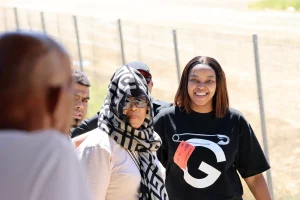
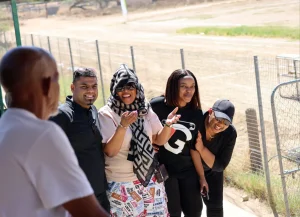
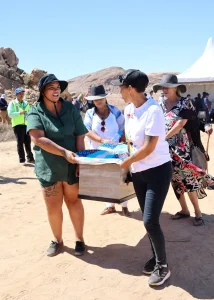
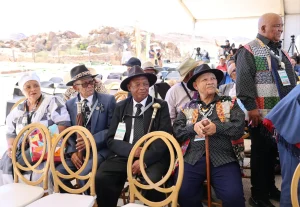
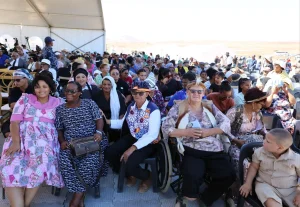
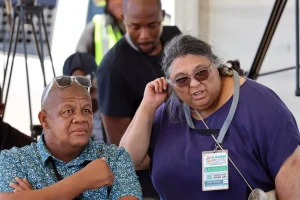
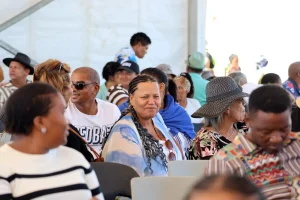
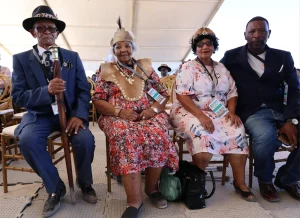
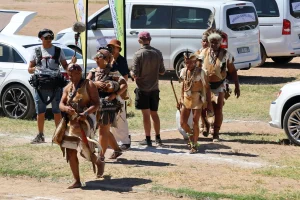
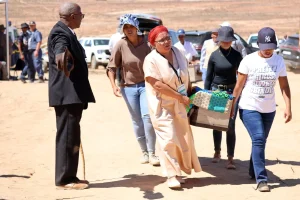
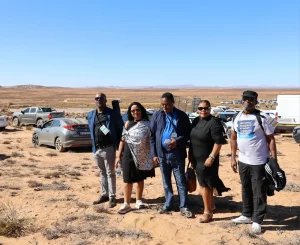
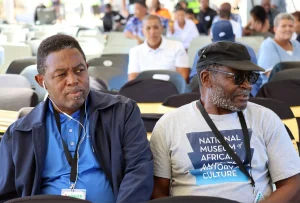
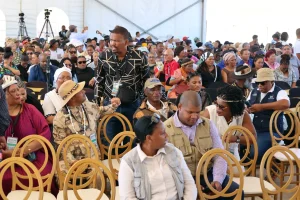
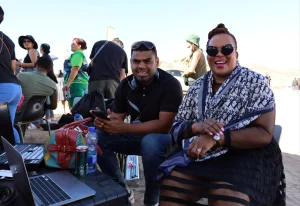
This marked the beginning of the end of the humiliations and the start of a process of rehumanising. And so Monday saw the convergence of Khoi, San, Nama, Griqwa and Korana communities on the koppie at Kinderle.
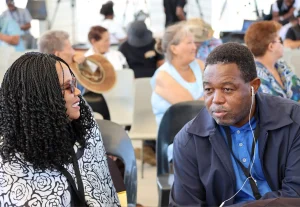
Given the circumstances of the death of the 32 children, this convergence was part of peace and unity building, of reconciliation of the different communities as they welcomed their ancestors home.
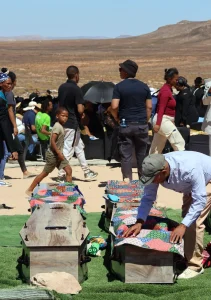
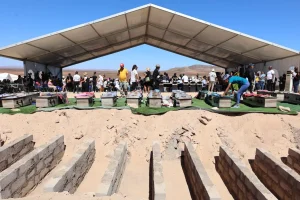
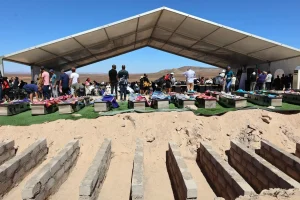
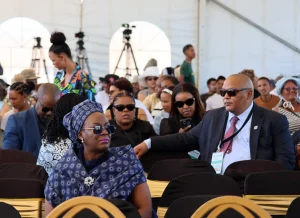
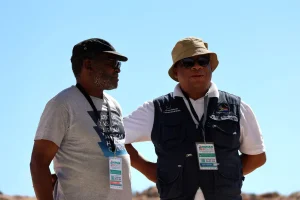
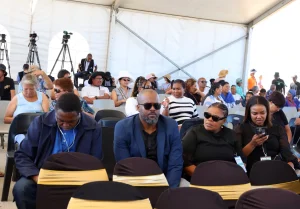
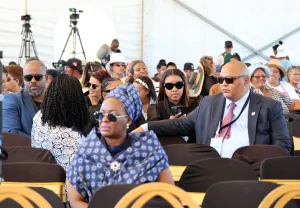
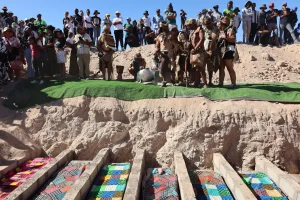
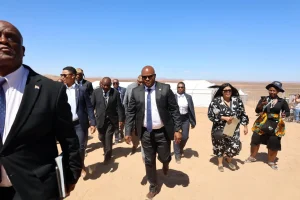
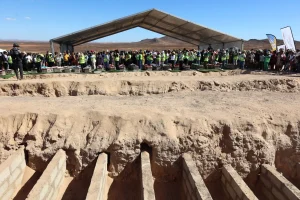
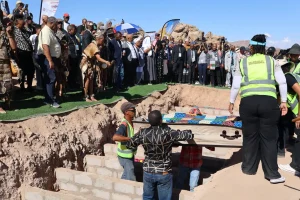
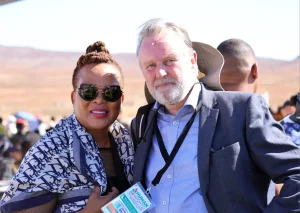
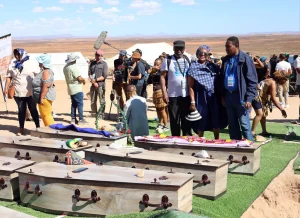
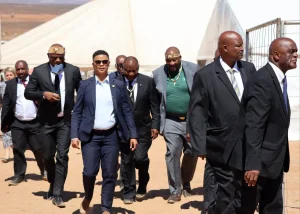
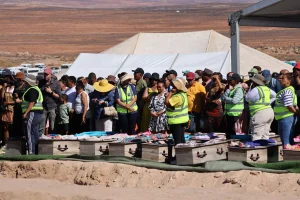
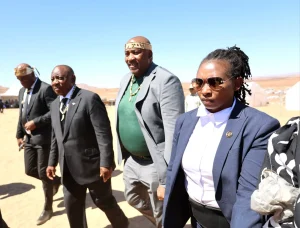
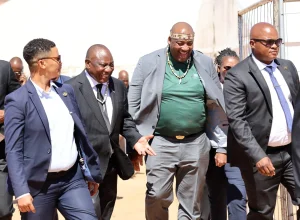
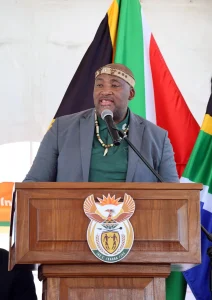
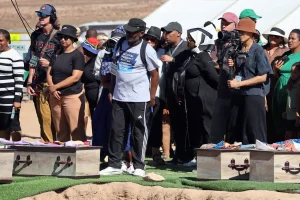
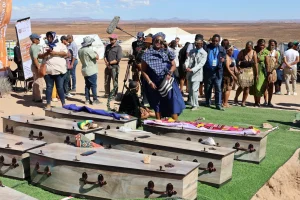
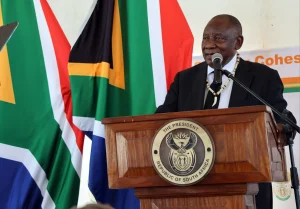
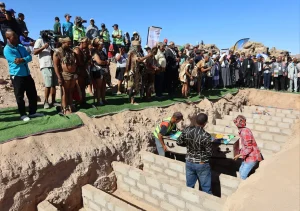
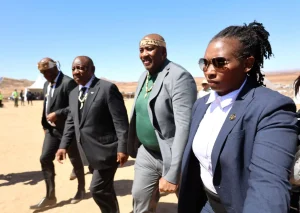
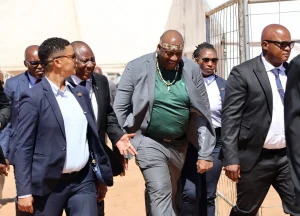
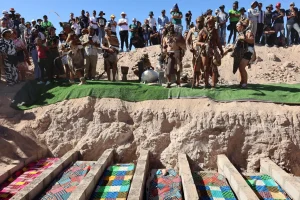
Also present were government leaders at the highest level, led by President Matamela Ramaphosa, Arts, Sports and Culture Minister Gayton McKenzie, and Northern Cape Premier Dr Zamani Saul. Three trenches had been dug, with each containing 21 graves demarcated by brick walls.
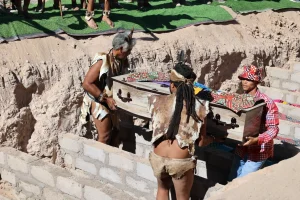
This was not going to be a mass grave; it was individual graves in rows of 21 within each of the three trenches, symbolising the commonality of their pain and their unity in the final resting place. But not as a mass but specific individuals, who, as Ramaphosa said, were “our people coming from families and communities”.
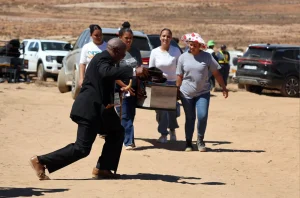
The Sharpeville massacre in 1960 saw the death of 69 people on March 21. This reburial was taking place a mere three days after the 64th commemoration of that fateful and equally painful day. The row of coffins near the trenches was not dissimilar to the row of the 69 at Sharpeville.
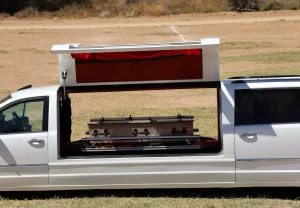
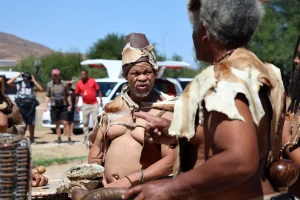
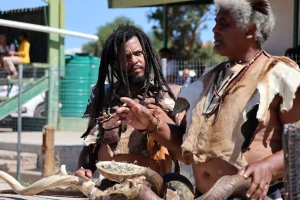
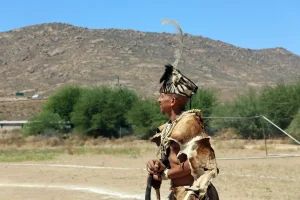
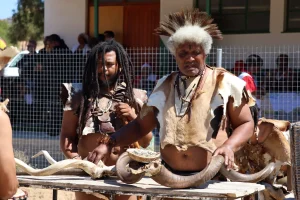
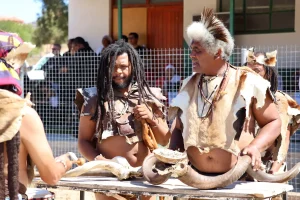
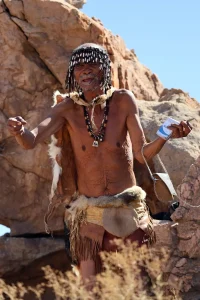
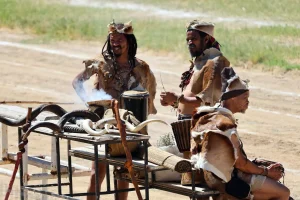
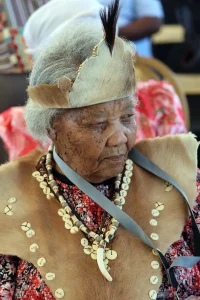
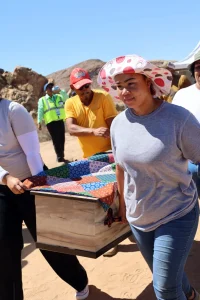
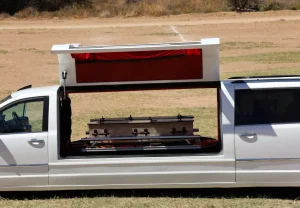
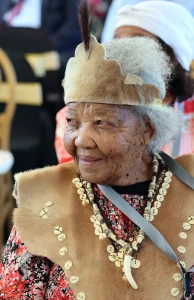
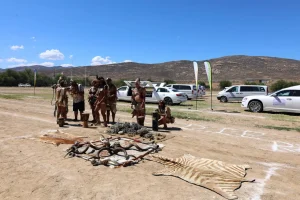
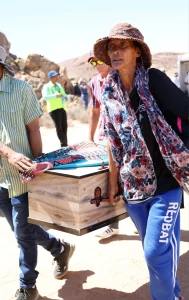
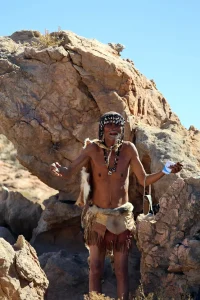
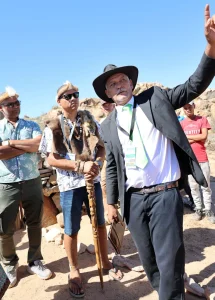
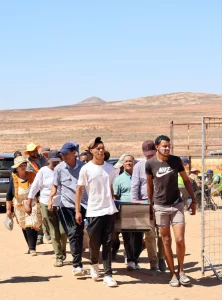
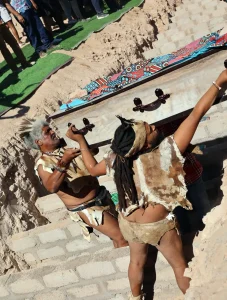
The coffins were covered in a cloth chosen by the community, to accord the remains the respect of not sitting in the sun uncovered and for everlasting warmth in the cold nights of the desert. The elders of the community, clad in traditional skins, burnt buchu, singing solemn Nama songs and beating the drums as they blew the horns of kudus to exhort the spirits of the forefathers and foremothers to descend and welcome the until now wandering spirits of the 63 home.
The scent of the burning buchu filled the open-sided tent, wafting into the rafters and out into the open vast expanse, creating an atmosphere of the spirits rising. It was goose-bump stuff, and many a tear was shed and heavy swallowing of saliva to control the emotions of the fuss this nation was making around not the bones, but the remains of ancestors.
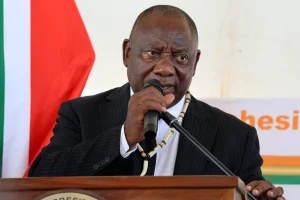
Ramaphosa struck a Presidential tone as he sketched the history of the barbarity of those who had arrived on these shores claiming to carry a message of civilising the “barbarians”, but who ended up being exposed as the barbarians who raid graves and experimented with remains of the dead.
He called it theft from which he said profit was made, as he called for reparations by the colonial masters to the affected communities.
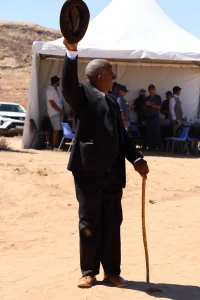
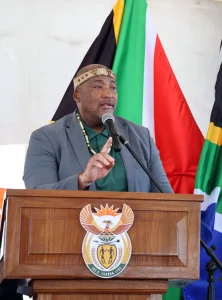
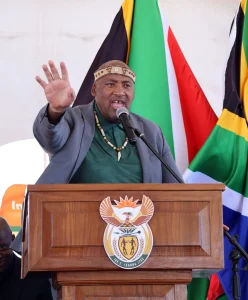
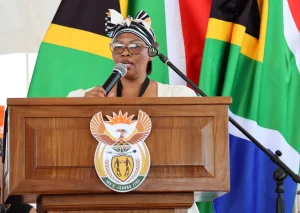
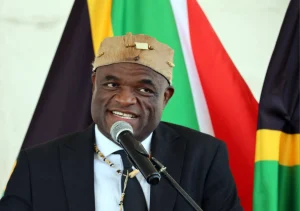
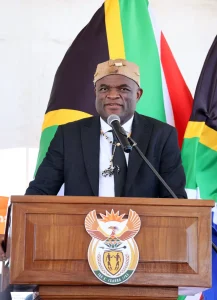
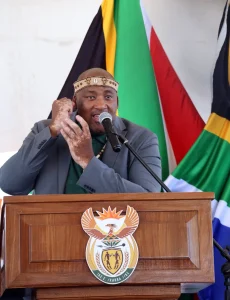
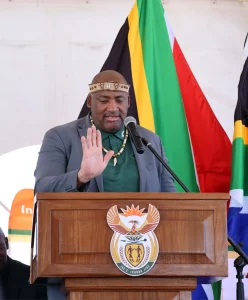
But it was the Chairperson of the Northern Cape Reburial Task Team, former school principal and Nama cultural activist,, James Petrus Mapanka, who brought it all back home. Speaking slowly as if to make sure every word was heard, He told the gathering, “We stand together at a profoundly sacred moment in our nation’s history, here at Kinderle, a place that now becomes not only a burial site, but a site of restoration, memory and spiritual reconnection.
“We are called upon to reflect deeply, not only on the past, but on the meaning of this moment for generations to come. For more than a century, these ancestors were taken away from their land, their people, and their spiritual resting place. Their removal was not only a physical act, but it was also a violation of dignity, of identity, and of the sacred relationship between a people and their ancestors.
“Today we correct that injustice….This act binds us together, across communities, across generations, and across histories. It signals reconciliation not only among the living, but between the living and the departed. As we entrust our ancestors to the earth, we do so with a deep sense of peace, knowing that they are no longer strangers in distant lands but are finally reunited with their home, their people, and their spirit.
“May the earth receive them with gentleness. May their spirits find eternal rest…Rest now our ancestors. You are home”.
In a country ravaged by many self-made ills, where, as a people and a nation, we do so many wrong things and many things wrongly. We are living in a time when the daily news is a catalogue of everything that is wrong, from Tembisa hospital to the Asbestos money in the Free State. From the cholera in Hamanskraal because money for water has been used to buy a fleet of expensive cars, to the Venda Building Society (VBS) greed.
These and many more are examples of people behaving very badly, not caring for the vulnerable. Monday, out in the dry sun-baked landscape of Steinkopf, represented the one moment of good triumphing over evil, when, as a nation, we got it right for the most neglected and abused.
We brought them home, as Mapanka said, and restored their dignity. That is enough to ignore the Madlanga Commission for a few minutes and savour this scarce glory.
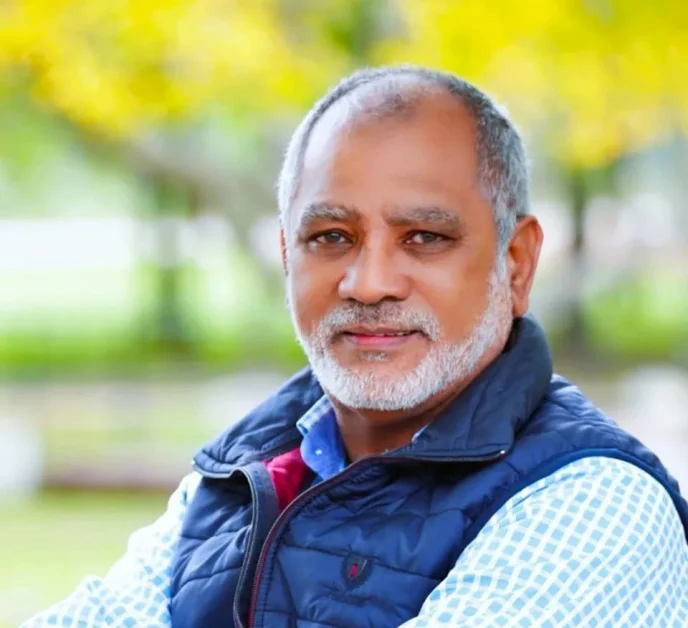
Mr Anwar Omar is a founding member of the Salt River Heritage Society, a conservation entity formally registered with Heritage Western Cape.
Mr Omar is a passionate heritage activist, having extensively documented the historic inner city suburb of Salt River, Cape Town, both photographically and academically. Mr Omar has also produced a documentary around the 1976 anti-apartheid uprisings in Cape Town.
He holds a Masters in Business Administration from the University of Stellenbosch, a Masters degree in Conservation and the Built Environment from the University of Cape Town (UCT), as well as a post graduate diploma from the University of Oxford in the United Kingdom.
He has recently been appointed as a Councillor with the South African Heritage Resources Agency (SAHRA).