KEIR Starmer’s shock resignation on Monday sets Britain on the brink of yet another swift leadership change and underlines a deeper political instability with global implications – including for African states closely tied to UK trade, aid and security cooperation.
Starmer’s departure, announced from the steps of Downing Street, was framed as an act of party stewardship: he said Labour had told him he was not the person to lead into the 2029 general election and he would step aside to allow a fresh contest. But the move is the latest symptom of a decade-long churn in Westminster that now threatens continuity at a time when fragile international partnerships, global markets and African governments seek predictable British policy.
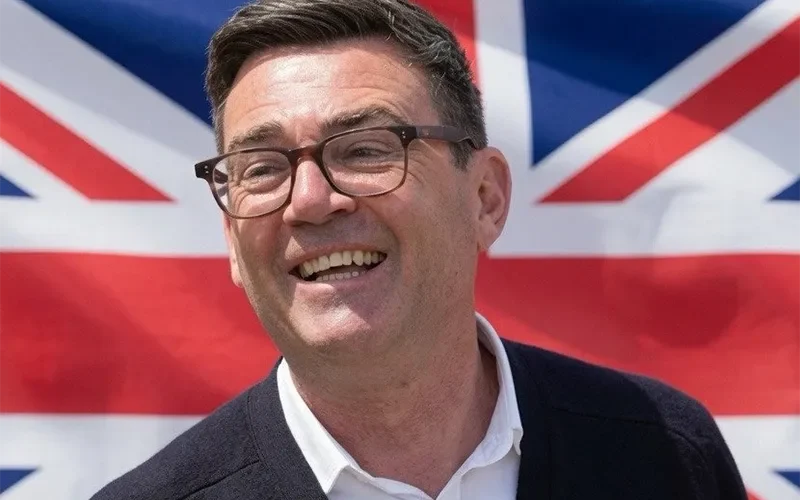
Andy Burnham – the former mayor of Greater Manchester and victor in last week’s parliamentary byelection – has emerged as the clear favourite to succeed Starmer, and pledged immediately to run. For many Labour MPs a rapid, orderly handover leading to Burnham’s coronation is the least damaging option. For markets, that prospect brought short-term relief: the pound strengthened and gilt yields eased after Labour figures signalled an expedient transition.
For African governments and businesses, the immediate questions are pragmatic. A change in prime minister risks delay in decisions on trade negotiations, development programmes and defence cooperation. Britain is already wrestling with constrained fiscal space – high borrowing costs and weak growth – which has limited its foreign spending and will shape Burnham’s room for manoeuvre. Any incoming leader will inherit a budget squeeze that complicates pledges on aid, climate finance and security commitments in the Sahel and Horn of Africa.
Domestically, Labour’s weakness under Starmer reflected a deeper disconnect with voters that has ripple effects beyond Britain’s borders. Years of unfulfilled promises and perceptions that Westminster is out of touch fuelled the rise of populist challengers such as Nigel Farage’s Reform UK, which immediately called for a snap national election. That rhetoric matters to African democracies watching Britain’s political resilience: sustained turnover erodes the steadiness of partnerships built on shared democratic norms and institutional memory.
Burnham’s appeal inside Labour rests on his communication skills and a reputation for practical, municipal-style governance. But he arrives without a fully formed agenda for foreign policy, trade or defence. His public priorities so far – lowering the cost of living and restoring competent government – resonate domestically but offer limited clarity for African counterparts that require detailed timelines and budget commitments before planning long-term projects or bilateral cooperation.
The political risks are twofold. First, a contested leadership fight could fracture Labour and paralyse domestic policy, reducing Britain’s diplomatic bandwidth and delaying international initiatives. Second, even a smooth transition will confront structural constraints: investors’ intolerance of higher borrowing, pressure to curb public spending, and electoral volatility that may make bold international initiatives politically unpalatable.
For African leaders and institutions, this moment calls for caution and engagement. Practical steps include seeking prompt bilateral briefings from the UK embassy on continuity of existing programmes, avoiding assumptions about new funding or trade deals until Burnham sets a clearer fiscal and foreign-policy direction, and exploring diversified partnerships with the EU, China and regional partners to hedge against British unpredictability.
Starmer’s resignation is not merely a domestic drama; it is a reminder that Britain’s political turbulence reverberates globally. For African states – many of which depend on steady UK support for security, trade and development – the choice of Britain’s next leader will matter less for rhetoric and more for how quickly and credibly London can convert promises into funded, durable actions.