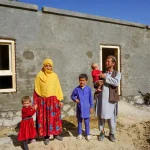

A bowl of boiled potato peelings. “It was essentially a bowl of what looked like rotten potato peelings, cooked into a soup just to survive,” said Olga Cherevko of the UN Office for the Coordination of Humanitarian Affairs (OCHA), recalling a visit to a family of nine in Bamyan province. That image captures what OCHA describes as “a country sliding from crisis into catastrophe”: drought that has turned fields to dust, acute child malnutrition soaring, and social restrictions that are “hollowing out vital services” as international response stalls for lack of funds.
“OCHA warns that nearly 22 million Afghans now need humanitarian assistance,” Cherevko said, and the UN’s 2026 appeal for Afghanistan — “$1.7 billion” — is “only 14 percent funded,” according to ReliefWeb. “This funding gap is translating into lives lost and opportunities foreclosed,” she warned. From January to April, “aid partners reached 5.9 million people with at least one form of help, including 3.5 million who received food,” OCHA reported, figures that “mask chronic and repeated needs,” the agency said.
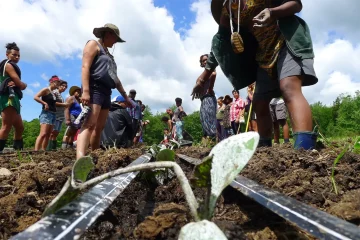
“Drought is the immediate engine of displacement and deprivation,” Cherevko told UN News. In remote districts of Bamyan, she said, “around half of the population had left” because “there’s simply no water to irrigate the lands, and so all the crops that they were growing, they dried up.” Those who remain, she added, “often do so because they have no choice; they cannot afford to leave.” Describing “sparsely populated ‘ghost villages’,” Cherevko said, “people who could leave, they left.”
“The child health picture is bleak,” OCHA said, estimating “3.7 million Afghan children face acute malnutrition in 2026.” “Many cases go unrecognized,” Cherevko explained, “and in some UN-supported clinics, children die because parents simply didn’t know what was happening; by the time they brought the child in, it was already too late.” OCHA’s response, she said, focuses on “screening, medical care and community outreach,” but “limited access and underfunding make coverage patchy — and deadly.”
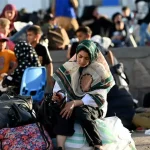
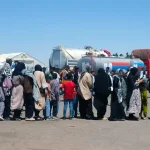
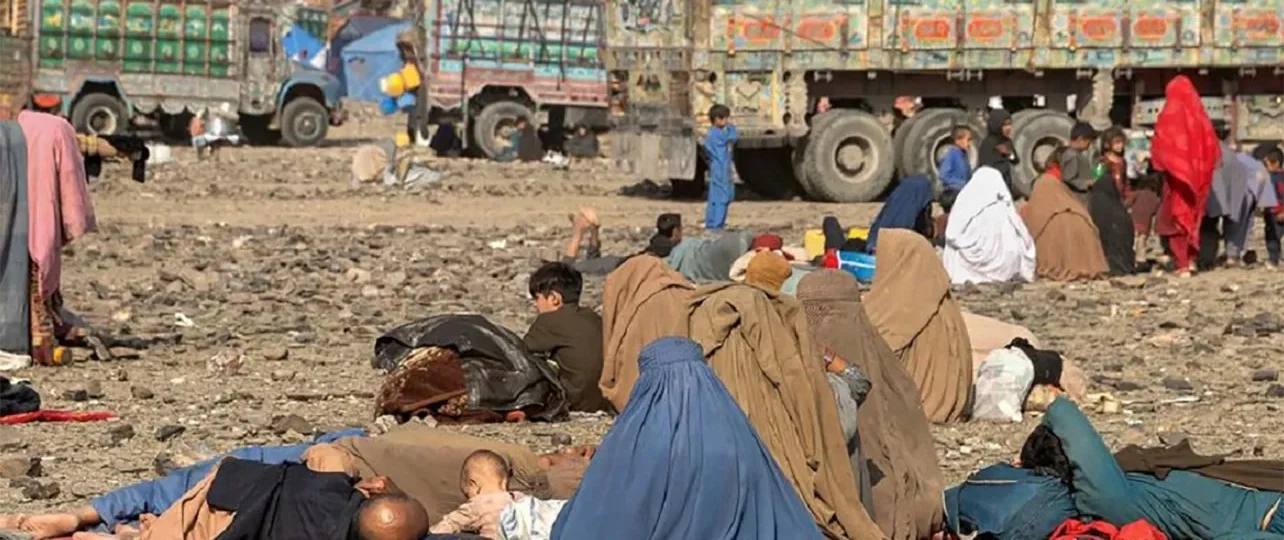
Compounding the internal crisis is “the steady stream of people forcibly returned from neighbouring countries,” Cherevko said.
“Most of these returnees have never lived in Afghanistan and did not choose to return.” She described the arrival process: “Once the buses drop them in towns, many have nowhere to go.” Aid agencies, she said, “provide basic assistance and registration every day to thousands,” but “many attempt to return to the countries they came from, only to be deported again.” The cycle, Cherevko added, “deepens insecurity and swells humanitarian caseloads.”
“Perhaps the most corrosive element is the erosion of women’s roles in public life,” Cherevko said bluntly. She quoted women in Bamyan: “All the women I spoke to are deeply worried about their daughters, who can no longer attend school and may have no future.” OCHA notes that “restrictions on girls’ education and limits on women working have had ripple effects far beyond schools.” Cherevko highlighted a critical consequence: “A shortage of female professionals, particularly doctors, has become critical. When a female doctor leaves her position, it is often nearly impossible to replace her.” The result, she warned, is that “women’s and girls’ access to life-saving healthcare has been drastically limited.”
What this means politically and operationally
“The crisis exposes a painful truth,” OCHA said: “humanitarian relief cannot substitute for functioning institutions or sustainable livelihoods.” With donor fatigue and geopolitical sensitivities limiting funding, aid agencies are “forced into triage — prioritising acute lifesaving interventions while preventative and recovery programs stall.” Cherevko argued that “the Taliban’s policies on women and education, and the international community’s hesitance to engage robustly, together deepen dependence on emergency aid and prolong instability.”
What must change
- “Scale up funding urgently,” OCHA urged. “The current funding gap is consigning millions to avoidable suffering.” Full financing of the appeal, the agency said, would “enable broader coverage beyond emergency rations to sustained nutrition, health and livelihood support.”
- “Protect female humanitarian workers and restore women’s access to services,” Cherevko said. “Reversing policy barriers that prevent women from working or learning is essential to deliver effective health and nutrition care to female patients and children.”
- “Prioritise rural water and livelihood programs,” OCHA recommended, including “investments in irrigation, drought-resistant agriculture and local markets” to reduce displacement pressures.
- “Address returns with regional diplomacy,” Cherevko added. “Durable solutions for returnees require political agreements and reintegration programs with neighbouring states, not repeated deportations that only shift the burden back to an overstretched humanitarian system.”
The human arithmetic is stark, Cherevko said: “22 million people in need, 3.7 million malnourished children, an appeal largely unfunded, and families cutting meals to potato peelings.” “Unless donors, regional governments and Afghan authorities move to expand funding, restore women’s participation in essential services, and invest in rural resilience,” she warned, “Afghanistan’s slow-motion collapse will accelerate — with children paying the highest price.”