GENEVA/JOHANNESBURG —
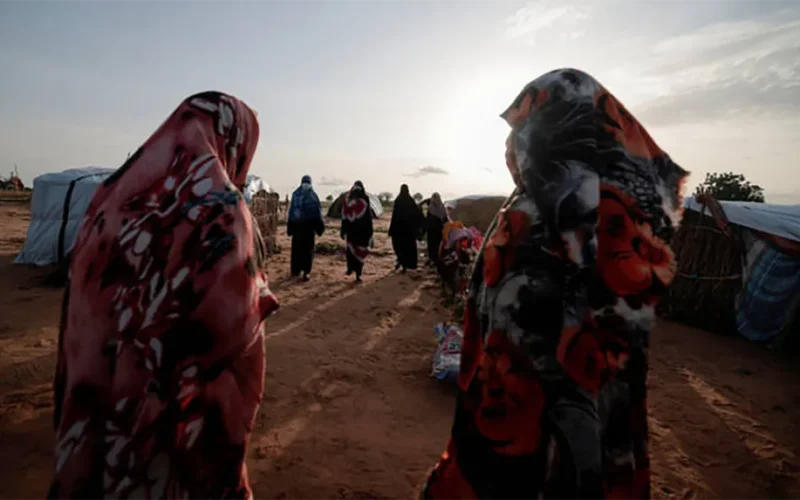
Behind every figure in the United Nations’ newest accounting of Sudan’s war lies a name, a face, and a family permanently altered. A report issued by the UN Human Rights Office on Tuesday documents at least 546 verified incidents of conflict-related sexual violence since fighting between the Sudanese Armed Forces (SAF) and the Rapid Support Forces (RSF) erupted in April 2023, affecting at least 838 victims — a toll the UN itself insists is only a fraction of the true devastation.
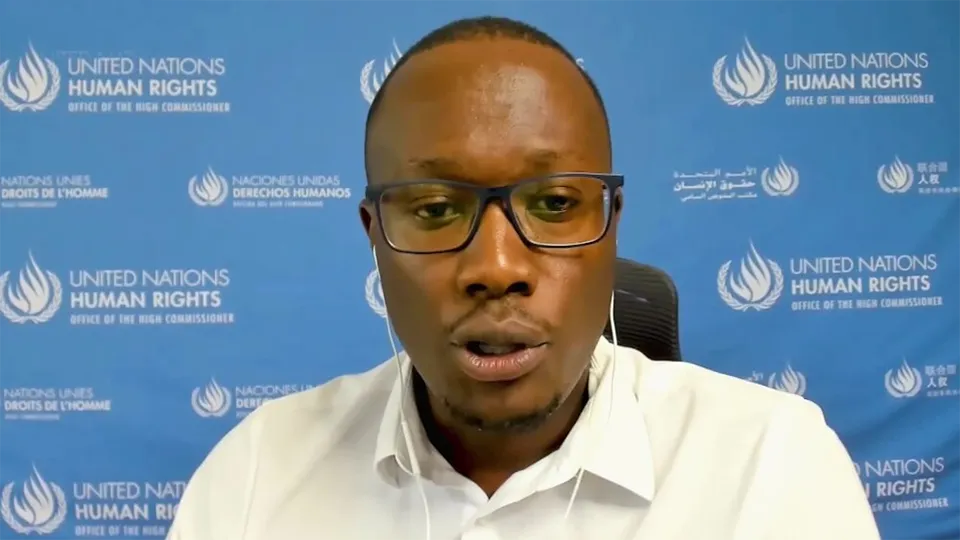
“A report we have just issued this morning lays bare the brutality and magnitude of conflict-related sexual violence in Sudan since fighting broke out more than three years ago, and its profound, long-term impacts on victims, families and communities,” said Seif Magango, spokesperson for the UN Human Rights Office, briefing journalists in Geneva.
“These figures represent only the tip of the iceberg, as most cases go unreported.”
Seif Magango, OHCHR
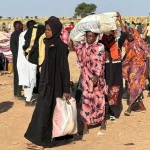
UN human rights monitors verified incidents in 16 of Sudan’s 18 states between 15 April 2023 and mid-April this year. Of the 838 confirmed victims, 539 were women, 284 were girls, eight were men and seven were boys — a distribution that confirms what humanitarian agencies have long warned: Sudanese women and girls are bearing the brunt of a war they did not start.
A Catalogue of Cruelty
Almost a quarter of the incidents documented by the UN involved gang rape. In one case verified by investigators, a girl was raped by at least ten men. Beyond rape and gang rape, the report catalogues sexual slavery, forced marriage, forced prostitution, sexual torture, and trafficking for the purposes of sexual violence — a spectrum of abuse that UN investigators say has been deployed systematically rather than incidentally.
The human cost extends far beyond the assaults themselves. The report documents the deaths of at least 13 victims — women, men and children — most of them following brutal gang rapes. The youngest victim killed was nine years old. Many more survivors have suffered severe medical complications, worsened by the collapse of Sudan’s health system amid the conflict. At least 59 women and girls became pregnant or gave birth as a result of rape, often without access to medical care, psychosocial support, or even basic safety.
War Crimes, and in Darfur, Crimes Against Humanity
The legal weight of these findings is significant. “Some of these abhorrent acts may amount to war crimes,” Magango said. “And in Darfur in particular, there are reasonable grounds to believe that some acts of sexual violence committed in the context of widespread and systematic attacks against the civilian population may also amount to crimes against humanity.”
That distinction matters. Crimes against humanity require proof of a widespread or systematic pattern directed at a civilian population — a far higher evidentiary bar than isolated atrocity, and one that the UN says Darfur’s pattern of violence now meets.
Ethnic Targeting: “They Asked Our Tribe”
The report finds that sexual violence has been used both as retaliation against perceived enemy affiliation and as a tool of ethnic persecution. Multiple ethnic Masalit survivors from West Darfur told UN investigators that their attackers demanded to know their tribe before raping them — testimony that echoes the ethnically targeted violence against Masalit communities documented since the war’s earliest months, and that will deepen fears of genocidal intent in Darfur.
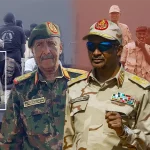
Most of the verified incidents were attributed to men in RSF uniforms and to RSF-affiliated Arab militias, Magango said, though sexual violence has also been attributed to the Sudanese Armed Forces and affiliated security actors and militias — underscoring that no party to Sudan’s war emerges from this report with clean hands.
A Warning for Sudan’s Future
The report’s conclusions reach beyond accountability for the past into a warning for what comes next. Unless the patterns and long-term impacts of conflict-related sexual violence are addressed — through justice, victim-centred responses, and sustained efforts to dismantle stigma and discrimination — peace and social cohesion in Sudan risk being undermined for years, possibly generations, to come.
“We call for all perpetrators, including those exercising command responsibility, to be fully held to account, and for victims to be guaranteed access to effective remedy, including reparation,” Magango said, urging all parties to the conflict to take concrete and verifiable measures to prevent further sexual violence.
Critically, the UN is also placing the burden on the international community, which it says must ensure that justice and accountability remain central to any diplomatic push toward a ceasefire and resolution of the conflict — not an afterthought negotiated away once the guns fall silent.
Analysis: Africa’s Forgotten War, Written on Women’s Bodies
More than three years into a war that has displaced over twelve million people and produced what aid agencies have repeatedly called the world’s largest displacement crisis, Sudan continues to struggle for the global attention afforded to conflicts elsewhere. This report makes clear why that neglect carries a human cost measured not only in casualty figures, but in the bodies of women and girls used as a battlefield by proxy.
For Sudanese survivors — and for the broader push toward accountability across Africa’s conflict zones — the test now shifts from documentation to action. The UN has named the scale of the atrocity and the legal threshold it may have crossed. Whether SAF and RSF commanders, and the external actors backing them, are ever made to answer for it will determine whether this report becomes a foundation for justice, or simply another addition to the continent’s long catalogue of impunity.