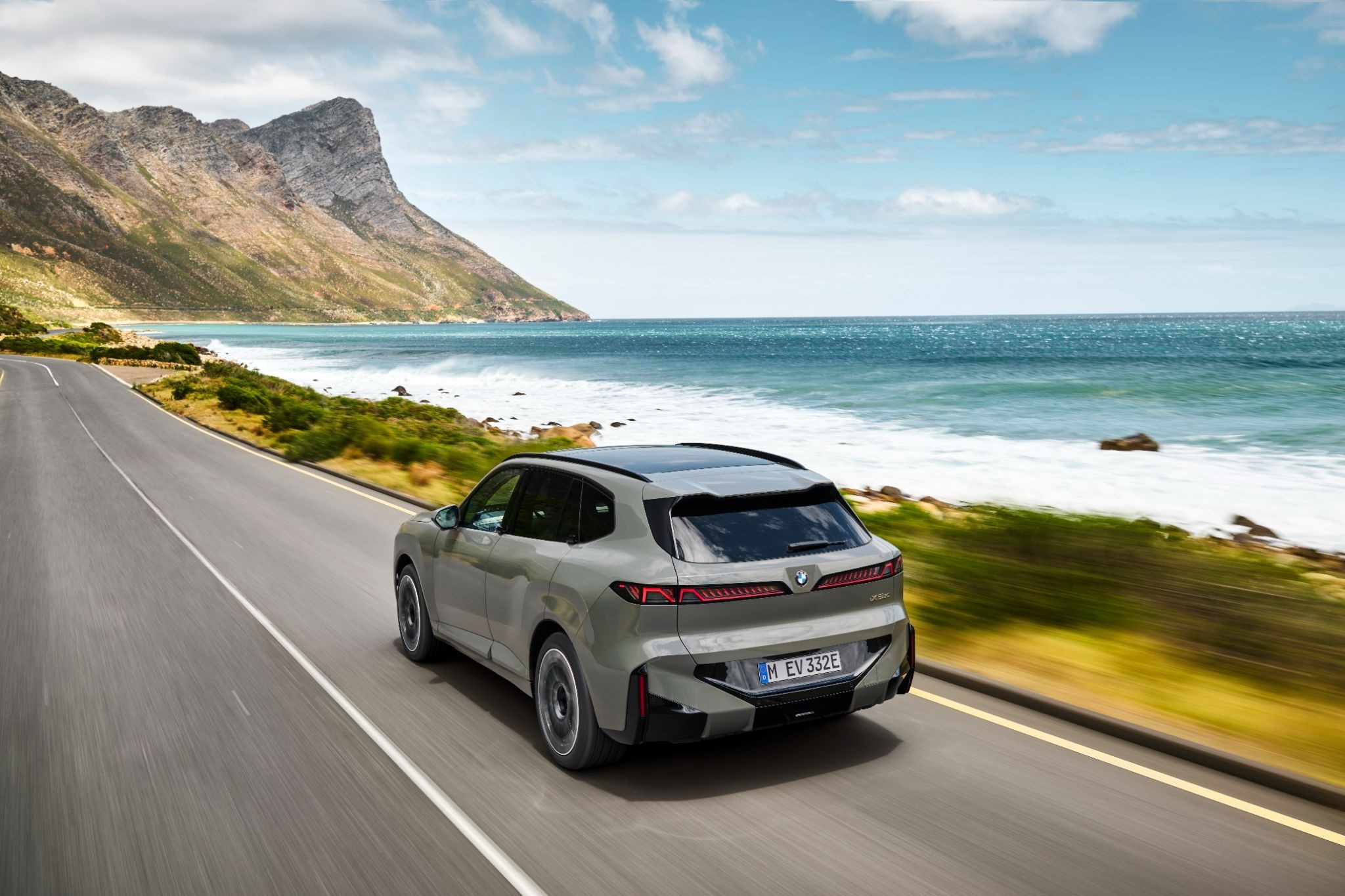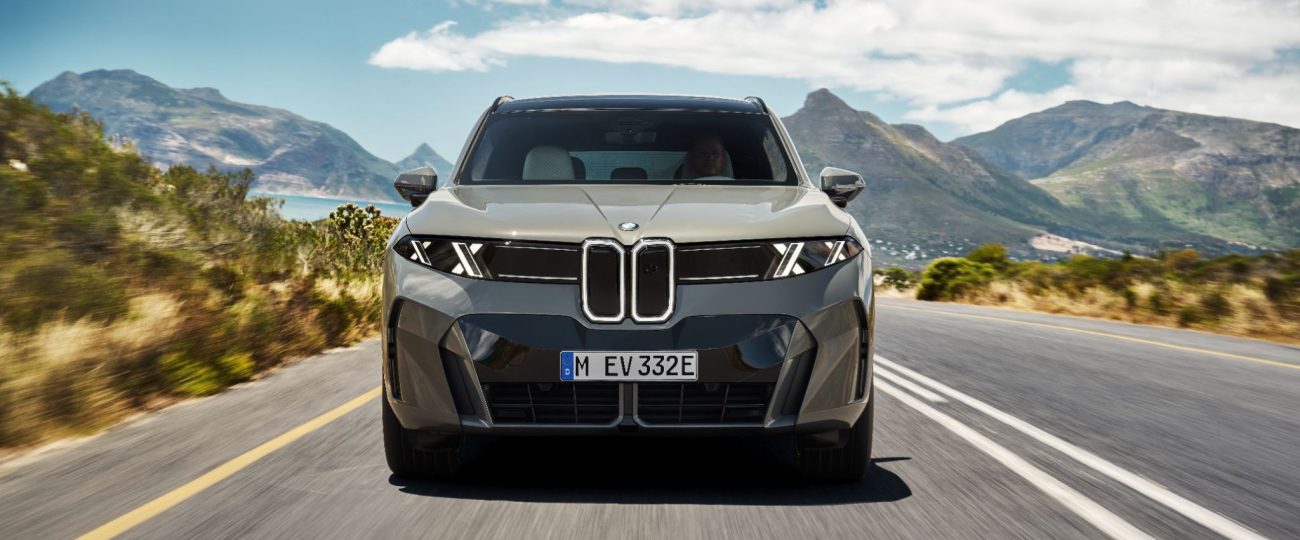

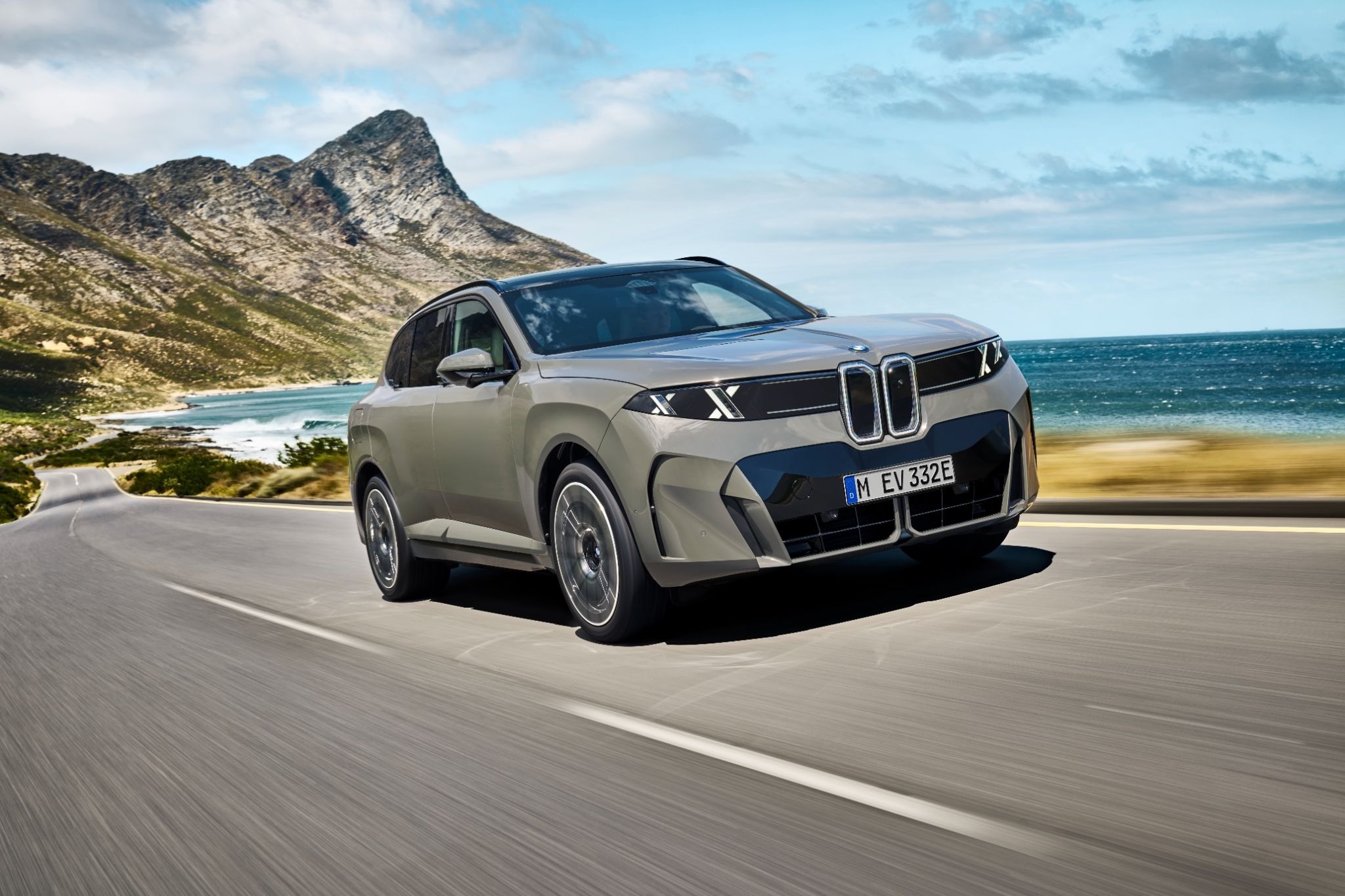
THE car that has long been BMW’s calling card in the luxury SUV wars is about to get louder, cleaner and considerably smarter. The fifth-generation BMW X5 is in the final stretch of its development programme, tearing through calibration drives around the carmaker’s production heartland at Plant Spartanburg in the United States – and when it lands, it will do something no BMW production model has ever done before: arrive with a choice of five distinct drive systems under one badge.
Petrol. Diesel. Plug-in hybrid. Fully electric. And, from 2028, hydrogen. It is less a model launch than a statement of intent – proof, BMW insists, that the energy transition in the automotive world need not mean a narrowing of choice.
The headline act is the first fully electric BMW iX5, riding in on the sixth generation of BMW’s eDrive technology and bringing with it the biggest battery ever slotted into an electric BMW. The new high-voltage pack uses cylindrical cells and 800-volt architecture, packing a usable energy content of 144 kWh in the United States and 141 kWh in Europe. Twin electric motors – one on each axle – combine with BMW’s xDrive all-wheel-drive system in the range-topping iX5 60 xDrive, promising the kind of effortless, silent shove that has become the calling card of premium EVs.
Further down the runway, but no less significant, is the BMW iX5 Hydrogen – the first hydrogen-powered model BMW has ever taken to series production, due to hit the road in 2028. Under the skin sits a third-generation fuel cell system, prized for its compact footprint and efficiency, paired with BMW’s new Hydrogen Flat Storage system: seven carbon-fibre-reinforced high-pressure tanks, wired in parallel and slotted into a sturdy metal frame low in the chassis.
The clever packaging means not a centimetre of cabin space is sacrificed – and, crucially for BMW’s bottom line, it means hydrogen models can roll down the very same production line as their petrol, diesel, hybrid and electric siblings, rather than demanding a bespoke factory of their own.
The Heart of Joy: BMW’s Neue Klasse Brain Arrives in the X5
“This high-performance control unit acts ten times faster than previous systems.”
If the powertrains are the headline, the technology BMW calls the Heart of Joy may prove the more transformative story. Borrowed from BMW’s Neue Klasse architecture, this central control unit governs the Dynamic Performance Control driving stack, processing inputs and firing adjustments to the powertrain, brakes, steering and energy recuperation in mere milliseconds. The promise is a car that feels sharper, more composed and more alive beneath the driver — whether it is whispering along on battery power or rumbling on diesel.
In the electric and hydrogen X5 variants, the system also delivers notably smoother braking while harvesting more energy under deceleration. In combustion and plug-in hybrid versions, a tenth-generation transverse dynamics management system and near-actuator wheel slip limitation work in concert with finely tuned chassis hardware to keep the big SAV planted through corners it has no business taking so calmly.
Wheels stretching up to 23 inches, standard mixed-size tyres, and an adaptive suspension system with dampers tuned independently at each corner — alongside near-perfect 50:50 weight distribution — round out a chassis package built to flex between plush comfort and genuine sportiness. For buyers wanting the full toolkit, the optional Adaptive Chassis Control Professional adds two-axle air suspension, Integral Active Steering and active roll stabilisation to the electric and plug-in hybrid models.
Driving, Assisted – Not Replaced
BMW is also pushing its driver assistance suite firmly into next-generation territory, drawing on Neue Klasse technology clusters to deliver what it brands BMW Symbiotic Drive. The optional Motorway and City Assistant brings Entry-2-Exit support on highways and Address-2-Address guidance through city streets, all built around SAE Level 2 automation.
Tellingly, BMW’s engineers say the goal was never to chase the highest level of automation for its own sake, but to build a system that keeps the human at the centre of the experience. Drivers can steer, brake or accelerate through an active assistance system without it abruptly switching itself off – a deliberate design philosophy BMW frames as artificial intelligence working alongside the driver, not instead of them. The new BMW Panoramic iDrive interface, with its clean displays and intuitive logic, is built to make that collaboration feel seamless.
Safety, too, gets a quiet upgrade. The Lane Keeping Assistant now reads the driver’s steering behaviour and eye-line to judge genuine intent before intervening, while new systems add automated evasive manoeuvring within the car’s own lane, Lane Change Warning, Side Collision Warning with active steering correction, and Crossing Traffic Warning with automatic braking when reversing out of a parking bay or pulling into traffic.
In choosing to launch five powertrains under a single nameplate rather than splitting them across separate model lines, BMW is betting that the new X5 can be all things to all drivers — the brand’s broadest hedge yet against an uncertain, multi-speed global transition to electrification. Final specifications, pricing and market-by-market rollout details are expected closer to the model’s on-sale date.