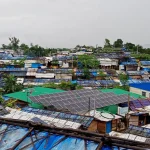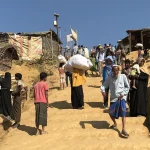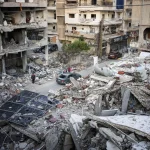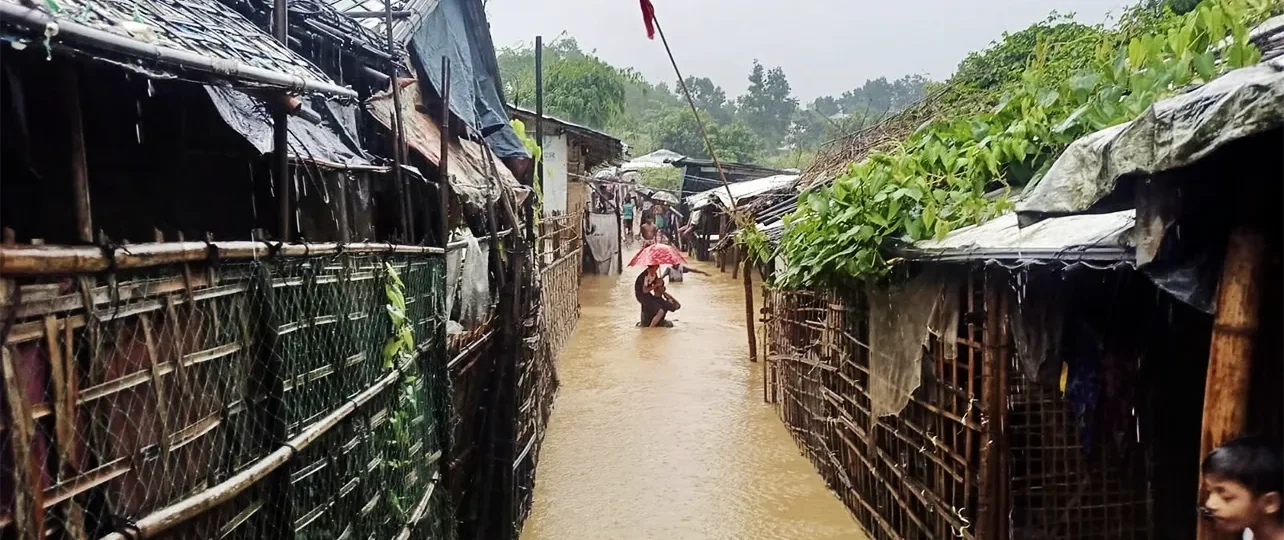

THE monsoon has once again turned Bangladesh’s Rohingya refugee camps into a landscape of fear, burying lives under mud and exposing a humanitarian crisis that has become brutally routine. At least seven Rohingya refugees, including children, were killed and about 8,000 people were affected when landslides swept through the Cox’s Bazar settlements after the first heavy rains of the season.
The tragedy is not merely a weather event. It is the latest reminder that more than 930,000 Rohingya are trapped in one of Asia’s most fragile environments, where overcrowding, deforestation and flimsy shelters have turned steep hillsides into a death trap.
What makes this disaster so searing is its predictability. The camps have already suffered more than 770 landslides and floods since their rapid expansion in 2017, yet every monsoon still arrives with the power to displace thousands and kill the youngest and weakest first. Nearly 1,200 shelters were damaged or destroyed in the latest round of landslides, leaving about 2,000 refugees without a roof over their heads.
This is what climate vulnerability looks like when it collides with displacement. The people living in Cox’s Bazar did not choose the terrain, the density or the fragility of their shelters, but they are forced to absorb the full impact when the rains come. The result is a recurring cycle of grief: rescue, repair, repeat.
Children at risk
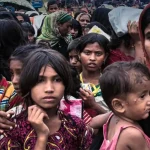
The deaths of children make the crisis impossible to soften. Families who fled persecution in Myanmar now face a different kind of terror, one measured in collapsing earth, flooded paths and the constant threat that a night of rain could become a burial ground. Humanitarian workers say the landslides have left survivors traumatised and in urgent need of food, shelter, medical care and psychosocial support.
For many residents, the danger is not limited to one storm. It is built into daily life, from narrow walkways and packed shelters to slopes that grow more unstable with every downpour. In that sense, the landslides are not an exception to the Rohingya story in Bangladesh; they are part of it.
The response has been immediate but constrained. Humanitarian agencies are trying to move displaced families to safer shelters, repair damaged accommodation and deliver emergency assistance, but they warn that operations are being undermined by chronic underfunding. The Bangladesh programme remains far below what is needed, while the wider Rohingya humanitarian response is also heavily underfunded.
That funding gap matters because it shapes what happens after the headlines fade. Without sustained investment, the same hillsides will continue to collapse, the same shelters will keep failing and the same refugee families will remain exposed when the next rains come. In Cox’s Bazar, the monsoon does not just test resilience; it exposes the limits of global responsibility.
This is ultimately a story about people living on borrowed safety. The Rohingya in Bangladesh have already survived mass violence, forced displacement and years of uncertainty, only to find themselves now fighting mud, water and neglect. The landslides have taken children’s lives, shattered families and deepened an emergency that the world has largely learned to live with.
Bangladesh has carried an enormous humanitarian burden, but the burden is becoming harder to bear as climate shocks intensify and international support remains thin. Until the camps are made safer and adequately funded, each monsoon will remain a warning written in mud.