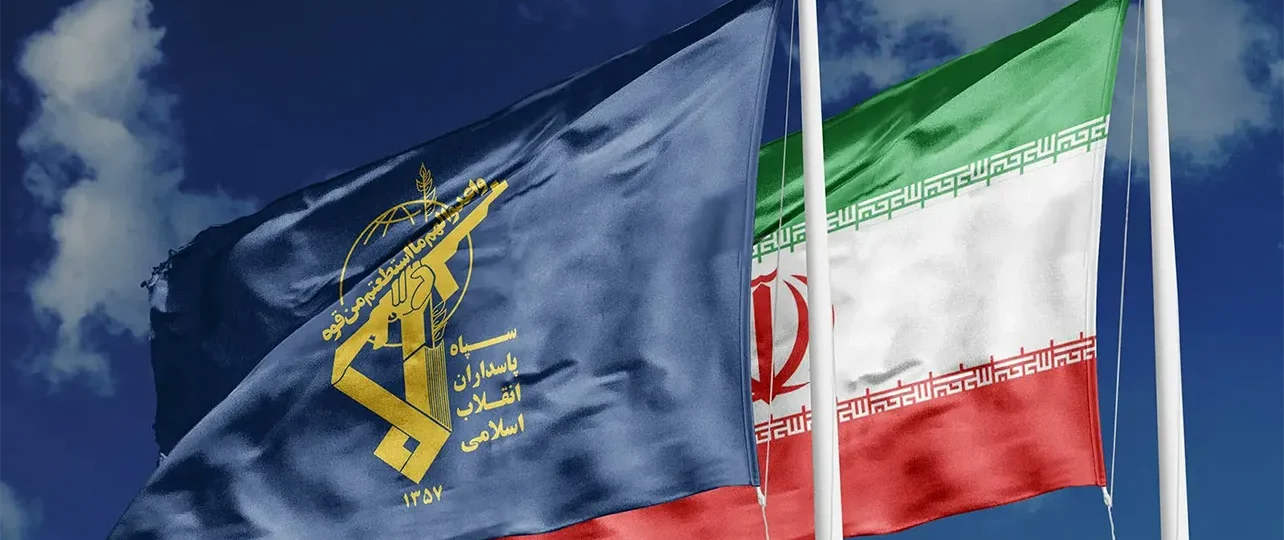

BRITIAN’S summoning of Iran’s senior diplomat in London has injected fresh urgency into the widening confrontation between Tehran and the West, with the UK accusing the Islamic Revolutionary Guard Corps of directing proxy activity across Europe and turning a regional shadow war into a European security concern.
The move marks another sharp escalation in the long-running Iran crisis, which now sits at the intersection of the Iran-US-Israel confrontation and a broader struggle over covert operations, intimidation and retaliation. By calling in Iran’s chargé d’affaires, Britain has made clear that it views the alleged proxy attacks not as a one-off incident, but as part of what it described as “completely unacceptable” behaviour by Tehran’s security apparatus.
What makes this development especially significant is the geography of the conflict. For years, Iran’s network of influence and deniable force has been discussed mainly in the context of the Middle East — in Gaza, Lebanon, Syria, Iraq and the Gulf. Now, London says the same machinery is being used in Europe, shifting the argument from regional rivalry to direct threats on European soil.
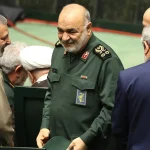
The British response also shows how Western governments are increasingly treating Iran’s external security structure as a transnational threat rather than a distant geopolitical problem. The IRGC’s Quds Force, long viewed by Western intelligence agencies as the spearhead of Iran’s foreign operations, is now being linked by Britain to hostile activity far beyond the Middle East. In practical terms, that means the diplomatic pressure on Tehran is no longer limited to sanctions and statements; it is now being backed by legal and security measures designed to raise the cost of covert operations.
The confrontation has already produced a familiar cycle of retaliation. Iran recently summoned Britain’s ambassador in Tehran after London’s earlier action against Iranian-linked activity, underscoring the tit-for-tat diplomacy that has become a defining feature of relations between the two countries. That exchange matters because it shows both sides are now locked in a hardening standoff, with neither appearing willing to step back from accusations that deepen mistrust and sharpen tensions.
For Tehran, the allegation fits into a broader pattern of Western efforts to isolate it politically and portray its security strategy as destabilising and unlawful. For London, however, the issue is increasingly domestic as well as diplomatic: if proxy networks are operating in Europe, then the threat is no longer contained to foreign battlefields, but has entered the space where governments must defend public safety, national sovereignty and the integrity of their own streets.
The larger message is that the Iran crisis is becoming more global, more open and more dangerous. Every summons, every accusation and every retaliation adds to a conflict that is already shaped by proxy warfare and strategic brinkmanship. Britain’s latest move suggests that European capitals are no longer willing to treat Iran’s covert reach as background noise in the Middle East; they now see it as part of the same fast-moving geopolitical struggle that continues to pit Iran against the US and Israel.