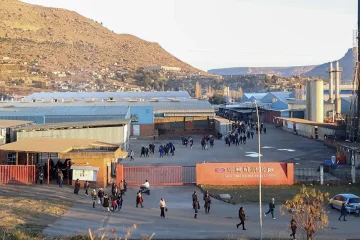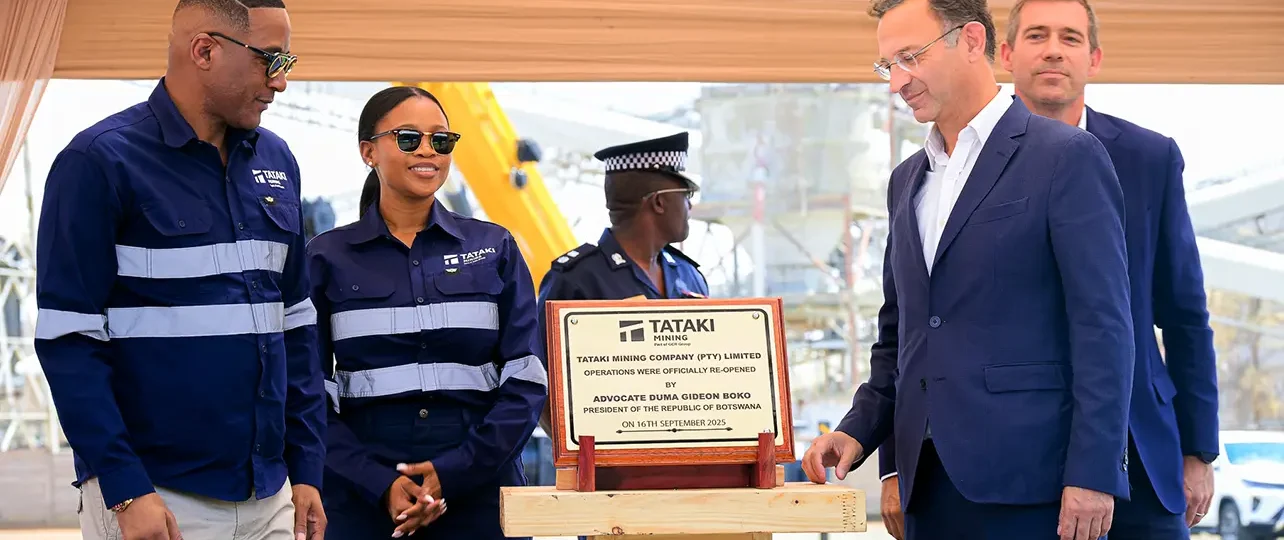

IN the rolling hills of Botswana’s North East District, where the earth holds secrets forged over millennia, a remarkable transformation is unfolding. The Tataki Mine – once known as Tati Nickel – has awakened from an eight-year slumber, emerging as a beacon of hope for a nation determined to rewrite its economic destiny.
For decades, Botswana’s economic narrative has been synonymous with diamonds. While these precious stones brought prosperity, they also created a dangerous dependency. President Duma Gideon Boko recognised this challenge when he assumed office, confronting a sobering reality: the country’s economy had been growing at just 3.8% annually over the past decade – far below what was needed to tackle the triple threat of unemployment, poverty, and inequality.
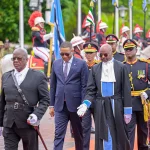
“For far too long, mining in Botswana has been synonymous with diamonds. It should be noted that diamonds alone cannot be our means to achieving sustainable economic growth,” Boko declared at the mine’s reopening ceremony, articulating a vision that would reshape Botswana’s industrial future.
The revival of Tataki Mine represents more than just the reopening of an old facility – it embodies a new model of international collaboration. The partnership between Botswana and the NIU Group, led by Cevdet Caner, demonstrates how foreign direct investment can serve as a catalyst for sustainable development.
This isn’t merely a financial transaction; it’s a strategic alliance built on shared vision. The NIU Group’s commitment extends beyond extraction to encompass technology transfer, skills development, and long-term community engagement.
The Numbers Tell a Compelling Story
The scale of Tataki’s projected impact is staggering, as Boko revealed from his discussions with NIU Group leadership: “Mr. Caner told me that his team projects to grow Tataki Mine to over 400 direct employees, with 3,000 additional indirect jobs projected in Francistown and eastern Botswana.”
These aren’t just statistics – they represent families lifted from poverty, young people given purpose, and communities revitalised. As the President noted, “Young people alone account for over 50% of the unemployed,” making such opportunities truly transformational.
Tataki Mine’s reopening couldn’t be more perfectly timed. As Boko emphasised, “Tataki Mine will produce critical metals that the world needs, nickel – a key component of electric vehicle batteries – and cobalt, not to mention copper and precious metals such as gold.”
The mine will produce exactly the materials the world desperately needs for the green transition. This alignment between global demand and local supply creates unprecedented opportunities, with the President expressing confidence that “NIU Group’s investment will both contribute to our economic growth plans and our efforts to diversify Botswana’s exports.”
Technology as the Great Equaliser
What sets Tataki apart from traditional mining operations is its commitment to advanced technology and skills development. Boko was particularly pleased to learn that “the Tataki Management plans to bring advanced technologies to the mine, which will aid skills development amongst Batswana.”
This technology transfer model ensures that the benefits of foreign investment extend far beyond immediate job creation, building the human capital necessary for sustained economic growth.
Boko’s vision extends well beyond a single mine. Speaking about the broader transformation agenda, he declared: “We seek to grow the economy at a sustained real rate of 6-8% per annum. This growth will be inclusive, job-rich, and pro-poor.”
The President outlined his commitment to comprehensive economic diversification: “Botswana is now looking to a future with a focus on the green economy and renewable energy. We envisage the green economy, which encompasses not only critical minerals but also climate-smart agriculture, ecotourism, and renewable energy, which will offer significant opportunities to both domestic and international investors.”
Tataki represents the beginning of this transformation that will create opportunities particularly for young people, who President Boko noted “will become job creators of tomorrow.”
Planting Seeds for Future Generations
Boko’s words at the ceremony captured both the immediate significance and long-term vision: “Today, we are planting a seed of change. Let us act boldly, for we owe it to ourselves and generations yet to come.”
This metaphor captures the essence of what Tataki represents – not just immediate economic relief, but the foundation for generational transformation. As the President emphasised: “I am committed to a programme of sustainable job creation, diversification, and transition to the green economy. I believe the re-opening of the Tataki Mine represents the best of these three goals.”
Lessons for the Continent
The Tataki story offers valuable lessons for resource-rich African nations struggling with similar challenges. Success requires:
- Strategic partnerships that prioritise skills transfer alongside investment
- Clear policy frameworks that incentivise sustainable development
- Long-term thinking that balances immediate needs with future opportunities
- Technology adoption that enhances rather than replaces local capabilities
The Road Ahead
As Tataki Mine begins production, it carries the hopes and dreams of a nation. The facility represents more than mining infrastructure – it’s a symbol of Botswana’s determination to control its economic destiny.
Boko expressed his optimism about the broader implications: “I am hopeful that this ceremony does not only cement our new partnership with NIU Group here at Tataki, but also provides a springboard for cooperation in other possible future projects.”
The President’s closing sentiment captured this transformational moment perfectly: “Let us act boldly, for we owe it to ourselves and generations yet to come.” In the revival of Tataki Mine, Botswana has found not just jobs and investment, but a pathway to a more prosperous and sustainable future.
The dormant mine has awakened, and with it, a nation’s economic aspirations have been rekindled.