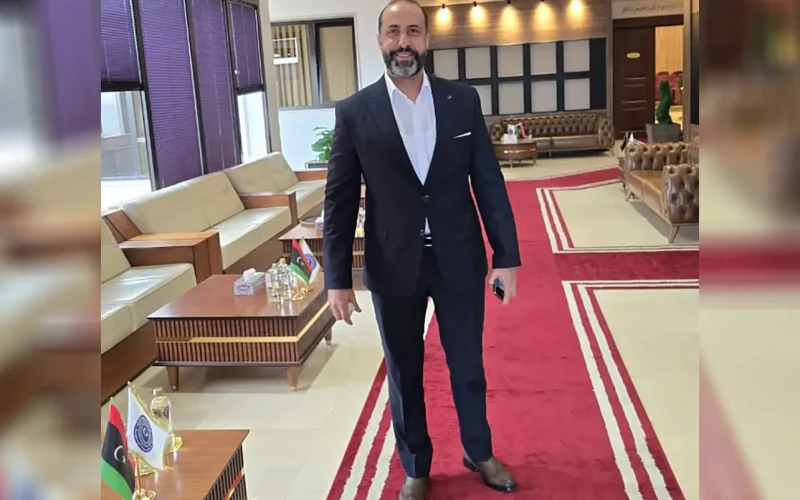
IN a bold move to accelerate economic diversification and capitalise on Africa’s vast untapped mineral and renewable energy wealth, Libyan authorities have established the Libya Energy and Mining Bank (LEMB), marking a significant milestone in the country’s post-Gaddafi reconstruction efforts.
The specialised development bank, led by Chairman Dr. Abdul Jabbar Erhoma, represents Libya’s most ambitious attempt yet to move beyond oil dependency and position itself as a regional leader in sustainable energy and mining finance. The institution comes as Libya continues its long struggle toward stability following the 2011 overthrow of Muammar Gaddafi, which plunged the North African nation into years of civil conflict and economic uncertainty.
Strategic Vision for Economic Transformation
LEMB’s establishment reflects a comprehensive strategy to transform Libya into what officials describe as “a global energy and resource powerhouse.” The bank aims to mobilise 1 billion Libyan dinars in project financing within its first five years, with an ambitious target of facilitating 300 million dinars annually in private equity flows into renewable energy and mining by 2030.
“There can be no development without stability,” Dr. Erhoma emphasised, underlining the bank’s dual mission of supporting national unity while driving economic modernisation. The institution’s charter specifically targets financing for large-scale sustainable mining operations, including rare minerals, green hydrogen production, and uranium extraction, alongside renewable energy projects encompassing solar, wind, and smart grid technologies.
Pan-African Ambitions and Economic Diplomacy
Beyond domestic reconstruction, LEMB harbours continental aspirations. The bank is spearheading efforts to establish an African economic club for mineral and energy-producing nations, designed to create what officials term “an economic and financial pressure group at the global level.”
This pan-African vision reflects Libya’s recognition that “in today’s world, there is no place for the weak, and unity at the level of principles is not enough.” The bank’s leadership argues that African nations must forge practical economic alliances to protect their resource wealth and maximise revenues for local development.
The continental strategy includes significant investment in African youth education and employment programs, positioning LEMB as both a financial institution and a vehicle for broader African development. Dr. Erhoma has emerged as a prominent advocate for the African peace initiative in Libya, with plans to host celebrations for the 26th anniversary of the African Union’s founding in the symbolic city of Sirte.
Innovative Financing and Sustainability Focus
LEMB’s operational model combines traditional development finance with innovative approaches tailored to Libya’s specific needs. The bank will employ Shariah-compliant financial instruments, including murabaha cost-plus financing, musharaka equity partnerships, and Islamic bonds (sukuk), reflecting Libya’s cultural and religious values.
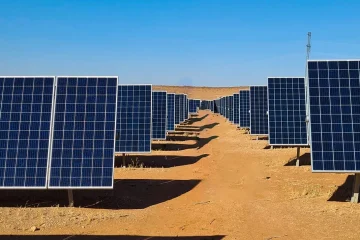
Environmental sustainability stands at the core of the bank’s mission, with 50% of investments targeted for renewable projects by 2040. The institution aims to support Libya’s transition toward 70% renewable energy capacity by 2050, while simultaneously developing infrastructure for green energy exports to European and African markets.
Addressing Libya’s Development Challenges
The timing of LEMB’s launch reflects urgent economic realities. Libya remains heavily dependent on oil revenues despite possessing significant renewable energy potential and mineral resources. Years of conflict have left the infrastructure damaged and foreign investment limited, while youth unemployment continues to pose social challenges.
The bank’s comprehensive approach includes financing for critical infrastructure projects such as railway development, water wells, and smart cities designed to combat desertification. Small and medium enterprises in energy and mining supply chains will receive dedicated support through accessible financing mechanisms.
International Partnerships and Technology Transfer
LEMB’s strategy emphasises collaboration with international development banks, including the African Development Bank and European Investment Bank, alongside private investors such as Mubadala Investment Company. These partnerships aim to facilitate technology transfer and attract foreign expertise while ensuring Libyan ownership of development outcomes.
The bank plans to establish pilot projects to build credibility and experience before scaling to larger initiatives. Early focus areas include green hydrogen production facilities and renewable energy infrastructure that could position Libya as a key supplier to European markets.
Governance and Operational Structure
LEMB operates under a comprehensive governance framework featuring a General Assembly with government representatives, a Board of Directors overseeing strategic implementation, and specialised departments covering project financing, environmental impact assessment, and research and development.
The institution’s leadership emphasises transparency and accountability, with strong environmental, social, and governance (ESG) standards guiding all investment decisions. This approach aims to attract international capital while ensuring sustainable development outcomes.
Regional Implications and Future Outlook
The establishment of LEMB occurs against a backdrop of increased global competition for Africa’s mineral resources, particularly those critical for renewable energy technologies. Libya’s move to create a specialised mining and energy bank positions the country to capture greater value from its natural endowments while supporting broader African development goals.
Success will depend heavily on Libya’s ability to maintain political stability and security conditions conducive to large-scale investment. The bank’s emphasis on national unity alongside economic development reflects recognition that sustainable growth requires both financial resources and political cohesion.
As LEMB begins operations, its performance will serve as a crucial test of Libya’s capacity to implement ambitious development strategies while navigating ongoing political challenges. The institution’s continental aspirations also position it as a potential model for other African nations seeking to maximise benefits from their natural resource wealth.
The bank’s invitation to energy and mining stakeholders to participate in upcoming African Union anniversary celebrations in Sirte underscores its commitment to combining symbolic diplomacy with practical economic cooperation, reflecting Libya’s broader effort to restore its regional influence through development finance rather than political intervention.