
PRESIDENT Samia Suluhu Hassan has launched a groundbreaking $63 million initiative to tackle deadly aflatoxin contamination in Tanzania’s staple crops, in what officials are calling a transformative step toward ensuring food safety and boosting agricultural exports.
The Tanzania Initiative for Preventing Aflatoxin Contamination (TANIPAC), officially launched in the capital Dodoma, represents one of the largest food safety investments in East Africa and is projected to benefit over 60,000 farmers across the country.
“We cannot talk about food security without food safety,” President Hassan declared during the launch ceremony. “TANIPAC is not just a health intervention—it is an economic imperative.”
The initiative targets aflatoxin, a dangerous toxin produced by moulds that grow on crops like maize, groundnuts, and rice. Aflatoxin contamination poses serious health risks and has long been a major barrier preventing Tanzanian farmers from accessing lucrative international markets.
Multi-Million Dollar Investment
The project is funded through a three-way partnership: the African Development Bank is contributing $9.2 million, the Global Agriculture Food Security Program (GAFSP) will provide $20 million, and the Tanzanian government has committed $34 million—the largest share of the funding.
Since its official commencement in 2019, TANIPAC has been actively implemented across 20 councils—18 on the mainland and two in Zanzibar—focusing on infrastructure development, farmer training, and institutional strengthening.
The initiative will equip farmers with essential modern tools, including metal silos, solar dryers, and moisture meters, while providing comprehensive training on aflatoxin prevention techniques through improved post-harvest practices.
Economic and Health Impact
Philip Boahen, Lead Partnership Coordinator of the GAFSP Program at the African Development Bank, emphasised the initiative’s broader implications: “By equipping farmers with modern storage technologies and practical training, we are not just preventing aflatoxin contamination—we are opening doors to higher-value markets, increased incomes, and healthier communities.”
The project directly addresses what experts consider one of the most significant barriers to agricultural trade and food security in sub-Saharan Africa. Aflatoxin contamination can render entire harvests unsellable in international markets and poses severe health risks to consumers.
Clepin Josephat, TANIPAC Coordinator at Tanzania’s Ministry of Agriculture, said the launch represents “years of planning, coordination, and commitment to safeguard Tanzanian crops.”
“This project ensures that what is harvested in the fields can confidently reach both local tables and international markets,” Josephat added.
Strategic Alignment
TANIPAC aligns with Tanzania’s Development Vision 2025 and its Five-Year Development Plan, reinforcing the country’s ambitions to lead in food security, nutrition, and agricultural trade across East Africa.
The initiative also supports the achievement of the United Nations Sustainable Development Goals, particularly those related to zero hunger and agricultural development.
The Global Agriculture & Food Security Program, created in response to the 2008-2009 global food price crisis, was established to mobilise up to $20 billion for agricultural development and food security worldwide. The African Development Bank currently supervises GAFSP projects in ten African countries.
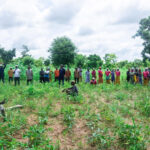
The launch ceremony featured live demonstrations of best practices in post-harvest handling and aflatoxin mitigation techniques, attended by representatives from the Ministry of Agriculture, development partners, farmer cooperatives, and international organisations.