Our website use cookies to improve and personalize your experience and to display advertisements (if any). Our website may also include cookies from third parties like Google Adsense, Google Analytics, and Youtube. By using the website, you consent to the use of cookies.

People living in African urban settings do a lot of walking: but their cities aren’t walkable

People living in African urban settings do a lot of walking: but their cities aren’t walkable

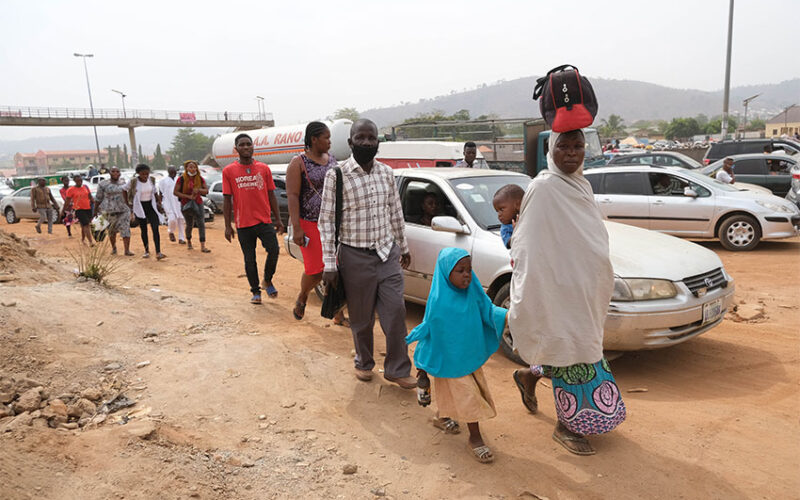
Walking remains the main mode of transport in many sub-Saharan African cities, especially among low-income residents in informal settlements. Yet, it is well acknowledged that walking conditions in African cities are precarious and unsafe. This is partly due to the prioritisation of local urban design for auto-mobility. SETH ASARE OKYERE, Assistant Professor, Graduate School of Engineering, Osaka University DANIEL OVIEDO, Assistant Professor, UCL LOUIS KUSI FRIMPONG, Assisant Lecturer, University of Environment and Sustainable Development MARIAJOSE NIETO, PhD student , UCL MICHIHIRO KITA, Professor, Osaka University Under the right physical and social conditions of the urban built environment, walking offers major…
Read More
Want to create 5 million green jobs? Invest in public transport in cities

Want to create 5 million green jobs? Invest in public transport in cities

LIN TAYLOR  IN a world reeling from the impact of COVID-19, investing in public transport could create 4.6 million jobs by 2030 and cut transport emissions, mayors in some 100 cities said on Tuesday. A "green and just recovery" with investment in buses and trains, particularly electric vehicles, would also reduce car use and air pollution, and protect vulnerable residents, said C40, a network of cities pushing for climate action. "The road to recovery is paved with investments in our infrastructure," said C40's Cities Climate Leadership Group chairman and Los Angeles Mayor Eric Garcetti, in a statement. "Public transportation is…
Read More
City encroaches on Nairobi Park

City encroaches on Nairobi Park

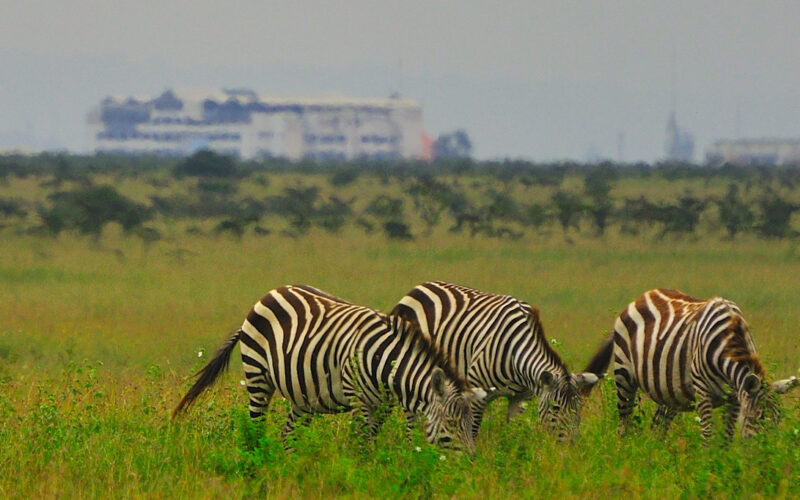
KATHERINE HOURELD RHINOS, lions, buffalo and leopards range against the background of a city skyline in the Nairobi National Park, Africa's only game reserve within a capital city. The park has been fenced in on three sides as the city mushroomed around it. Outside its unfenced southern boundary, the banks of the Mochiriri River are a favoured refuge for breeding lions. Animals often pass through to make their way to larger parks beyond. But the Kenya Wildlife Service (KWS) has proposed a 10-year plan to fence land along the southern boundary to reduce conflict between people and animals. The idea…
Read More
Tackling COVID-19 in informal settlements in Cape Town

Tackling COVID-19 in informal settlements in Cape Town

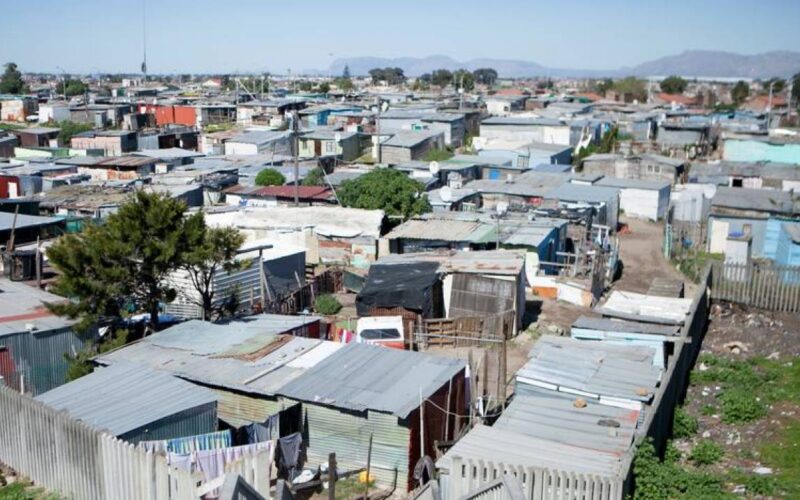
WARREN SMIT CAPE Town is the second-largest city in South Africa, with a population of over 4 million people. It is a diverse and complex city, with a long history of segregation and inequity, the most tangible manifestation of which is its dense informal settlements without adequate housing or basic infrastructure. Estimates of the number of households that live in informal settlements differ, but one estimate is that there are about 146,000 households living in informal settlements in Cape Town. Informal settlements are settlements in which residents do not have legal security of tenure and do not have dwellings that…
Read More
Meet Nigerian COVID-19 tracers

Meet Nigerian COVID-19 tracers

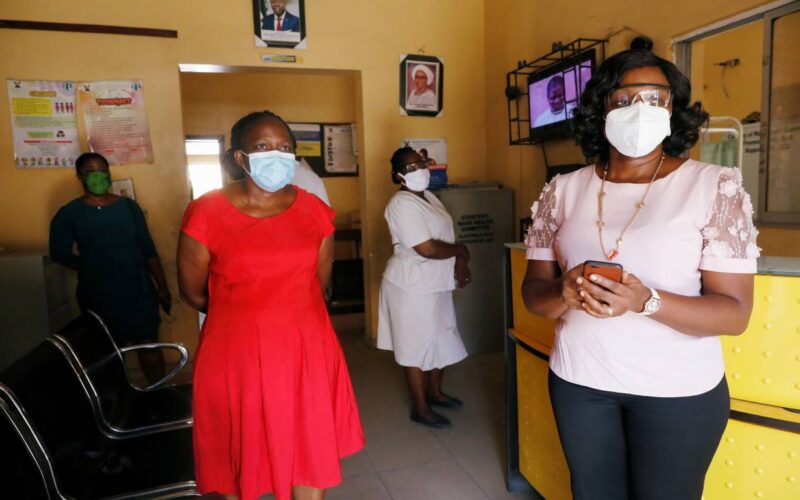
LIBBY GEORGE, PAUL GEORGE, PAUL CARSTEN and ALEXIS AKWAGYIRAM EARLY one evening, Folasade Fadare and her team of four disease hunters piled into a van and headed for Okegun, a rural community down a narrow potholed road in eastern Lagos state. A coronavirus patient had visited the area, and it was their task to find anyone exposed, isolate them and trace their contacts. The team quickly realised the job was too big: more than 100 people needed to be interviewed and tested. Ultimately, only the two sickest people, feverish and gasping for air, were sent to hospital to be isolated…
Read More
Coronavirus reveals ‘green apartheid’ in S.African cities

Coronavirus reveals ‘green apartheid’ in S.African cities

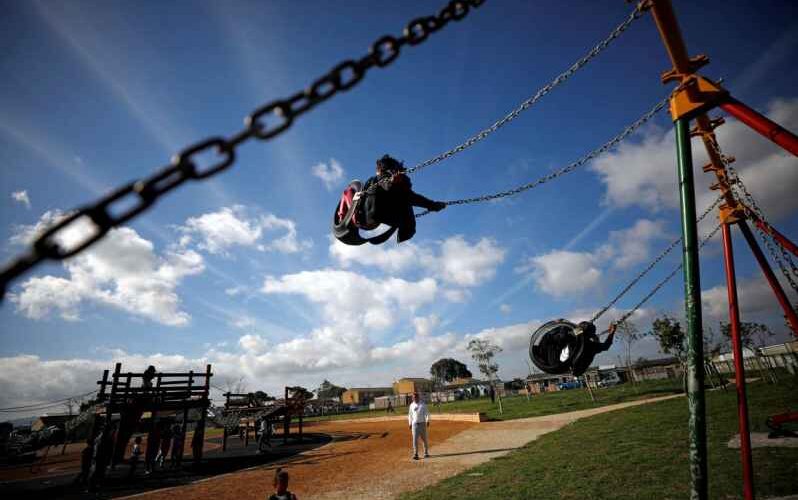
KIM HARRISBERG IT took the new coronavirus to reveal a green apartheid lurking in South Africa's cities as parks shut, lockdown kept millions home and only the lucky few had a garden for sanctuary. Satellite imagery shows this inequality blighted almost every South African city, with poorer, mainly Black residents living with less greenery and left with fewer options to stay safe from the deadly virus through social distancing. "Every human should have a right to green space," said Zander Venter, a spatial ecologist at the Norwegian Institute for Nature Research and lead author of the Green Apartheid study published…
Read More

Eat or stay cool? Cities test ways to protect the poor from rising heat

LAURIE GOERING FROM spray parks in water-short Cape Town to heat-reflecting pavements in Tokyo, cities around the world that face worsening heatwaves as the planet warms are rapidly adopting innovations to try to beat increasingly deadly heat. But ensuring the measures help those most at risk remains a challenge, for reasons ranging from racial discrimination to funding and policy deficits, as well as misperceptions about who is most vulnerable and where, heat experts said this week. In New York, for instance, most deaths from heat stress occur at home, Kizzy Charles-Guzman, deputy director of the city mayor's resiliency office, told…
Read More
Projects to transform Kampala

Projects to transform Kampala

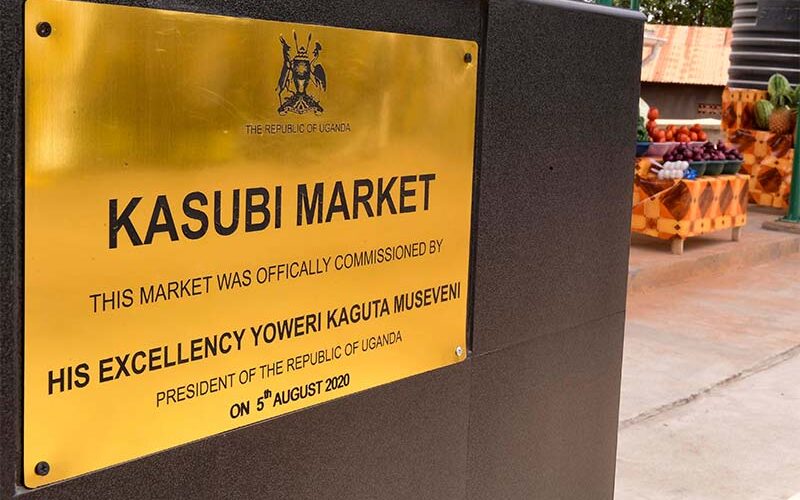
UGANDAN President Yoweri Museveni has launched two major projects that are set to transform the country’s capital Kampala. Museveni officiated at the launch of the Kasubi Market, in central Kampala and later presided over the start of a major infrastructure project. “ As part of efforts to make Kampala a more organised city, I presided over the commissioning of the new Kasubi Market and the launch of construction works on the Lubigi and Nakamiro drainage channels “Kasubi Market will house over 1,400 traders though currently only 800 are using it because of SOPs on social distancing. With this facility functional,…
Read More
Cautious hopes for slum dwellers relocated in Egypt housing project

Cautious hopes for slum dwellers relocated in Egypt housing project

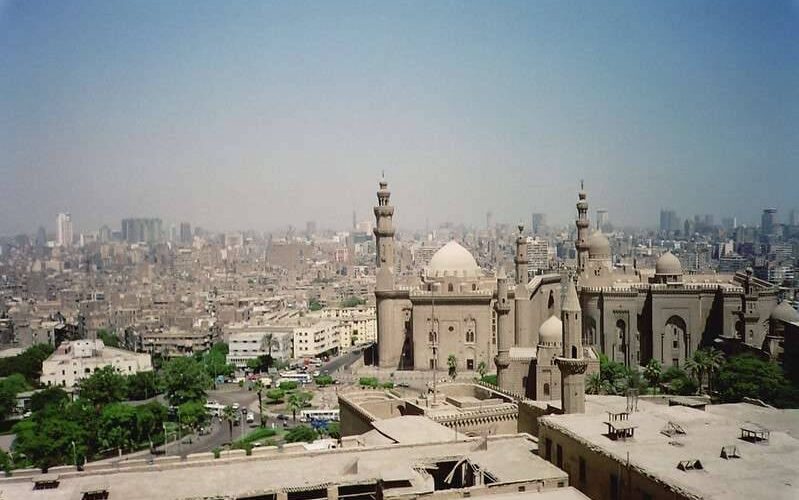
MENNA A FAROUK  IN a compound in southeastern Cairo, Elham Fouad walks through a clean, organised street full of colourful buildings with her husband and young daughter. The scene in the Mokattam suburb is a far cry from el-Deweika, a sprawling slum in the Egyptian capital, where she used to live in a dilapidated house with her family. "We were always at risk of landslides and we barely had access to many of the basic services like water and electricity," 32-year-old Fouad told the Thomson Reuters Foundation from a small grocery store. "Now, it is a whole different life. We…
Read More
Residents fight upscale evictions in Kenya conservation push

Residents fight upscale evictions in Kenya conservation push

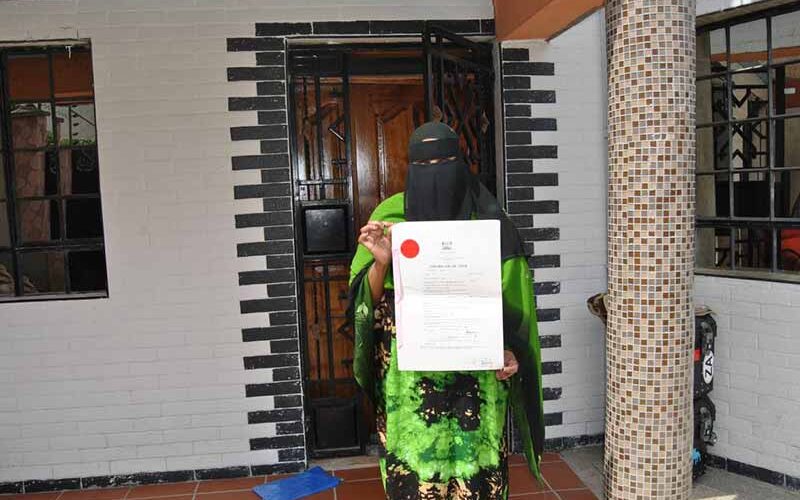
DOMINIC KIRUI ON a sunny Saturday morning, Waswa Wekesa stood outside his family's four-bedroom home in a middle-class Nairobi suburb and tried to understand how the government could raze it to the ground. "I bought this piece (of land) in 2002, immediately after getting a job," the 48-year-old management consultant lamented as he recalled how hard he had worked to build the house. "I was only 30. I didn't take out a bank loan but used all my salary through the years to purchase the land and to gradually build the house," he told the Thomson Reuters Foundation. Wekesa's house…
Read More