Our website use cookies to improve and personalize your experience and to display advertisements (if any). Our website may also include cookies from third parties like Google Adsense, Google Analytics, and Youtube. By using the website, you consent to the use of cookies.

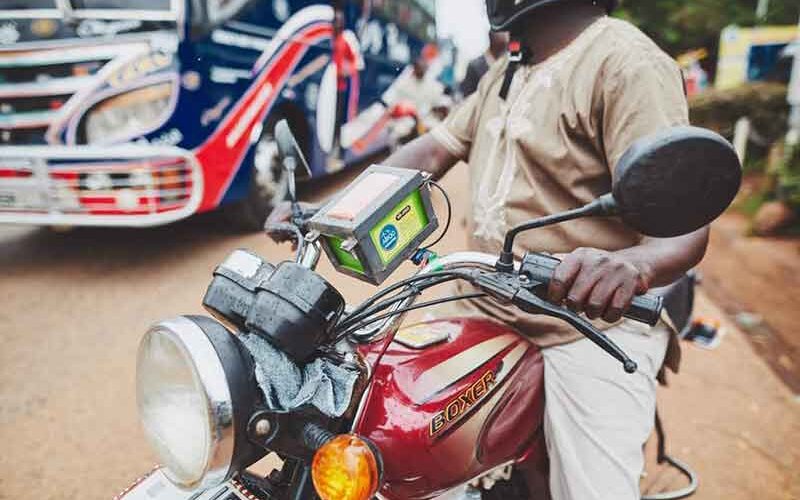
How we’re measuring air quality in Kampala – and why it works for African cities

How we’re measuring air quality in Kampala – and why it works for African cities

ENGINEER BAINOMUGISHA, Associate Professor, Makerere University IN Uganda, even though air pollution is a big challenge in parts of the country, there is hardly any air quality monitoring. Engineer Bainomugisha – along with other scientists at Makerere University – has developed a machine that monitors air quality. He explains how it works, and why it’s so important. What are the main drivers of air pollution in Kampala and are there any indications of how bad it is? Generally, I would say the main drivers of air pollution in Kampala are transport, industry, burning of wood or charcoal and burning of…
Read More
The Nile river led to Khartoum’s growth, but now threatens the city

The Nile river led to Khartoum’s growth, but now threatens the city

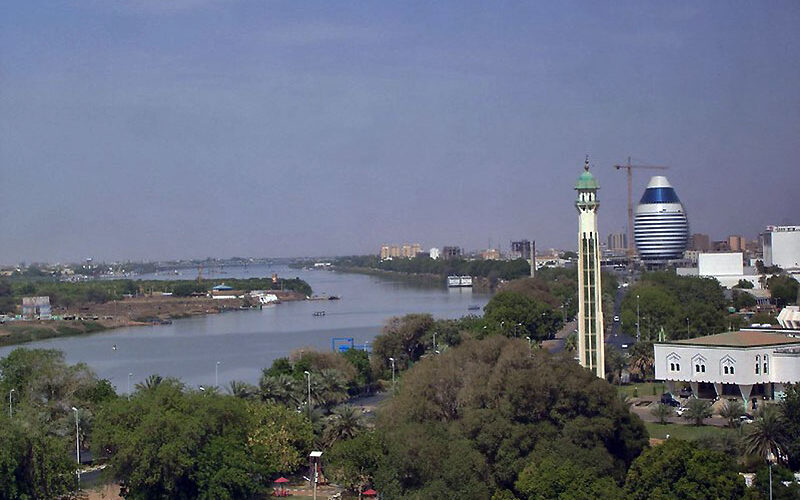
ANDREA ZERBONI, Associate professor, University of Milan OVER the past few weeks, floods – following exceptionally heavy rains – have hit Sudan. Many parts of the country have been affected though it has been particularly destructive in Khartoum, the capital city. In and around the city, flooding of the Nile River has killed almost one hundred people, destroyed more than 1,000 houses and the incidence of water-borne diseases is now also rising. Along the Nile River in Sudan, floods are not unusual and destructive events have been recorded, for instance in 1946 and 1988. But, over recent years, the levels…
Read More
Can the COVID-19 crisis help reboot urban food in Africa?

Can the COVID-19 crisis help reboot urban food in Africa?

GEOFFREY MAKHUBO and MARK WATTS THE COVID-19 pandemic is a global health crisis, but for millions of people it is also a local food crisis. City lockdowns, stalled supply chains and closed borders have all limited the flow of food from farms to consumers. School closures and rising unemployment mean millions of people are missing out on sufficient, healthy and nutritious meals. The African Union projects that 20 million jobs are at risk on the continent as a result of the pandemic. The Department of Statistics South Africa estimates that food insecurity will double, mirroring the World Food Program’s projection…
Read More
Fund to cut emissions in developing world cities launched

Fund to cut emissions in developing world cities launched

A new multilateral finance fund that aims to cut carbon emissions and improve conditions in developing-world cities, has been launched. Implemented by the World Bank and the European Union's lending arm, the European Investment Bank, the City Climate Finance Gap Fund aims to unlock at least 4 billion euros ($4.66 billion) for low-carbon and climate-resilient projects. Cities already account for 70% of global CO2 emissions, but with 2.5 billion more people expected to move to them by 2050, and Africa alone expected to see a 700% increase in urban land cover by 2030, limiting the climate impact will be vital.…
Read More
Cities promise to divest from fossil fuels to boost green recovery

Cities promise to divest from fossil fuels to boost green recovery

MEGAN ROWLING  THE mayors of 12 big cities in North America, Europe and Africa pledged on Tuesday to shift their money out of fossil fuels and into green energy, buildings, transport and other investments to help them recover from the pandemic and tackle climate change. The group of cities, which signed up to a declaration committing them to divest from coal, oil and gas, are home to more than 36 million residents and hold over $295 billion in assets. Led by London and New York City, they agreed to take all possible steps to divest from fossil fuel companies the…
Read More
Can COVID-19 inspire a new way of planning African cities?

Can COVID-19 inspire a new way of planning African cities?

PATRICK BRANDFUL COBBINAH, Lecturer, University of Melbourne ELLIS ADJEI ADAMS, Assistant professor, University of Notre Dame MICHAEL ODEI ERDIAW-KWASIE, Research fellow, University of Southern Queensland HEALTH crises are not new in Africa. The continent has grappled with infectious diseases on all levels, from local (such as malaria) to regional (Ebola) to global (COVID-19). The region has often carried a disproportionately high burden of global infectious outbreaks. How cities are planned is critical for managing infectious diseases. Historically, many urban planning innovations emerged in response to health crises. The global cholera epidemic in the 1800s led to improved urban sanitation systems.…
Read More
World’s smartest cities index, African capitals struggle

World’s smartest cities index, African capitals struggle

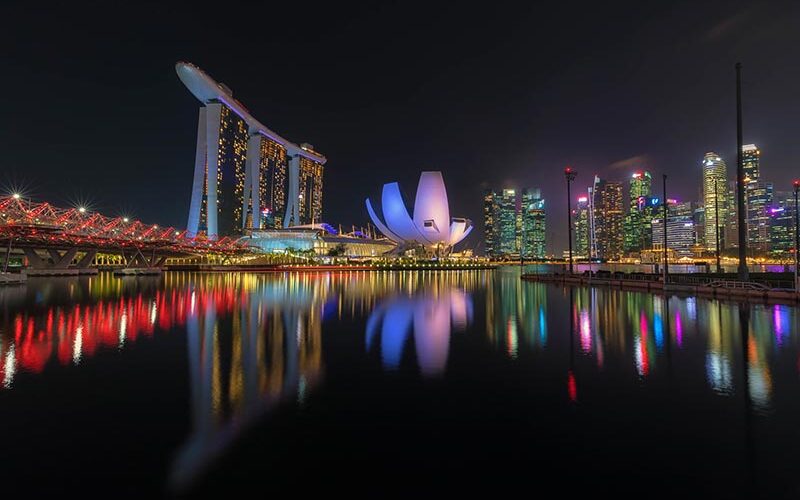
EMMA BATHA SINGAPORE, Helsinki and Zurich are the world's smartest cities, according to an index published, amid a growing debate on the future of urban design for a post-COVID era. From smart traffic cameras and car sharing apps to pollution monitoring and free wifi for all, cities around the world are racing to embrace technology, but researchers said the real test was whether citizens felt the benefits. "The world's 'smart' cities don't simply adopt new technology, they make sure it truly improves citizens' lives," said Arturo Bris of the Swiss-based International Institute for Management Development (IMD), which published the index.…
Read More
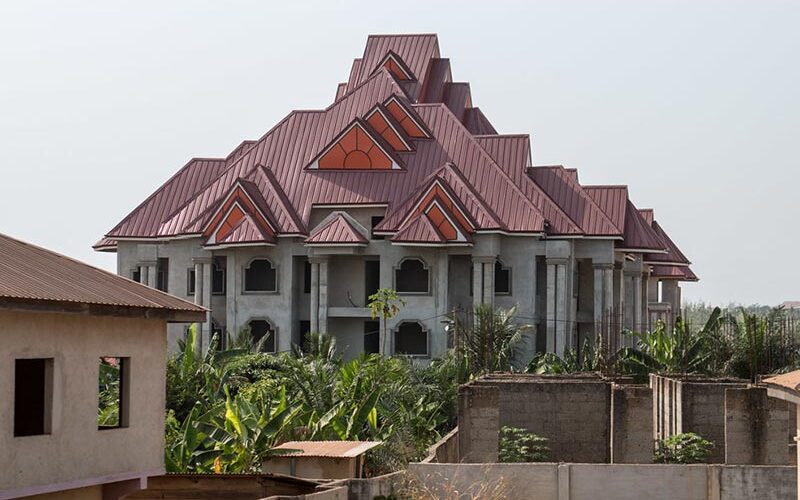
Urban planning needs to look back first: three cities in Ghana show why

Urban planning needs to look back first: three cities in Ghana show why

NATE PLAGEMAN, JENNIFER ANNE HART and TONY YEBOAH MONTHS into the global COVID-19 pandemic, policymakers have begun discussing what the “new normal” might look like in metropolitan environments. Some urban planners have framed COVID-19 as an opportunity to re-imagine and improve cities’ built landscapes. Such calls follow a common prescriptive: that post-epidemic planning will reinvent cities into dreamscapes of public health, equality and technological progress. Urbanism journalist Alissa Walker recently argued, though, that now is not the time for imagining an urbanist utopia. Instead, she writes, people must come to terms with the historical processes that have “made COVID-19 more…
Read More
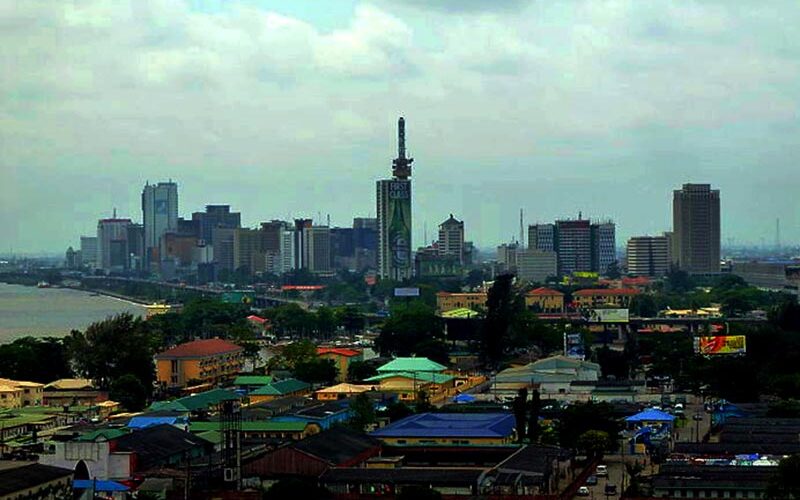
Cities like Lagos need building designs that don’t just copy global styles

Cities like Lagos need building designs that don’t just copy global styles

DR ANTHONY OGBUOKIRI, Senior Lecturer, Nottingham Trent University DR EMMANUEL MANU, Associate Professor in Quantity Surveying and Project Management, Nottingham Trent University COVERED in glass, the former IMB Plaza building in Lagos stood as an example of the influence of international design styles on the Nigerian commercial capital’s architecture. Such “internationally” styled high-rise buildings, often seen as a symbol of progress and economic advancement, are not always well integrated into the local climate or landscape. In the case of Lagos, the climate is hot and humid, yet buildings like this are hermetically sealed, enclosed in glass, with limited shading from…
Read More
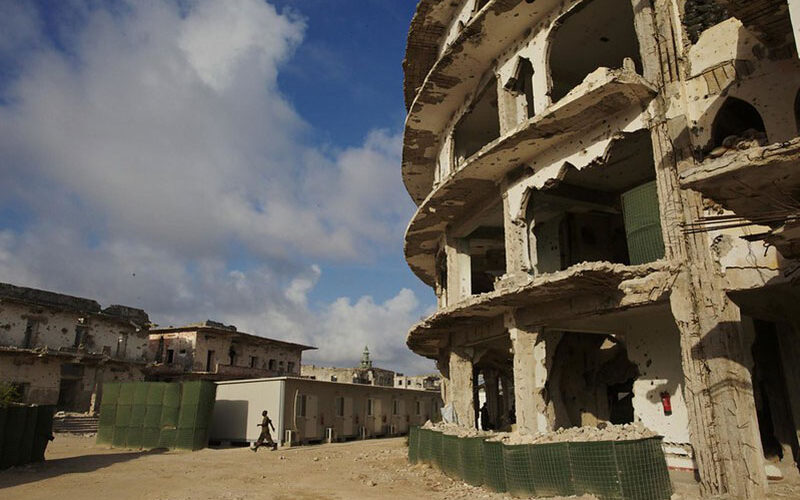
Somali architect looks at city’s ruined past and dreams of the future

Somali architect looks at city’s ruined past and dreams of the future

ABDI SHEIKH  MOGADISHU is a city of ruined glory: crenellated towers crumble by the sea and sand whirls against the pockmarked archways of the roofless old cathedral. But one young man, returning to his family's homeland, walks through the streets and dreams of their future. Omar Degan, 30, was born in Italy to Somali parents who left three years before civil war broke out in 1991. He studied architecture in Italy and Hong Kong before returning to Mogadishu in 2017, part of an influx of young diaspora Somalis returning to rebuild their country. "I feel extremely sad and angry when…
Read More