Our website use cookies to improve and personalize your experience and to display advertisements (if any). Our website may also include cookies from third parties like Google Adsense, Google Analytics, and Youtube. By using the website, you consent to the use of cookies.

How to fix democracy? Ancient philosopher Plato may have an answer

How to fix democracy? Ancient philosopher Plato may have an answer

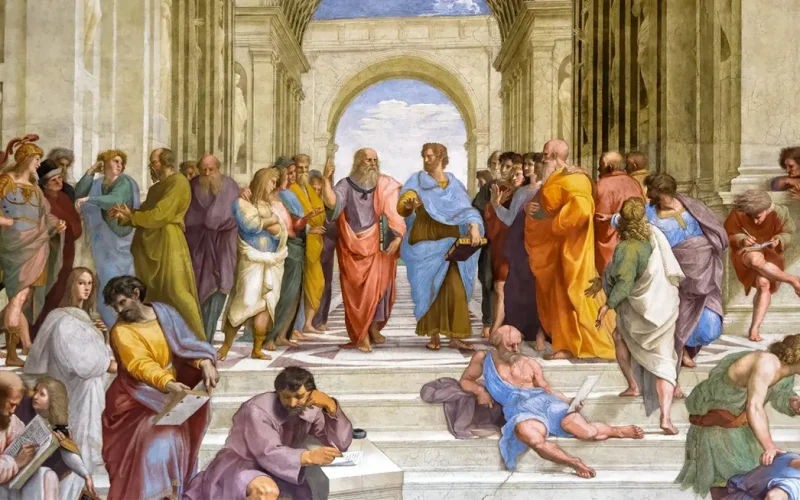
THE Republic, the best-known work of ancient Greek philosopher Plato, authored around 375 BCE, has shaped Western political thought. Greece is now known as the “cradle of democracy”. Not only was the first democracy in the world in Athens, but the word itself comes from the Greek demos (people) and kratos (rule). Yet Plato’s The Republic relentlessly argues against democracy. This might be surprising, given that Westerners typically think that it is very important to live in a democracy. Almost all Western countries are democratic. In the most recent election in the US, both Trump voters and Harris voters claimed…
Read More
Why Africa’s young scientists should help check the quality of climate change research

Why Africa’s young scientists should help check the quality of climate change research

SCIENTIFIC research is essential for addressing the climate crisis. The Intergovernmental Panel on Climate Change (IPCC), a United Nations body, assesses the science of climate change through its regular assessment reports. These reports reflect scientific consensus on the causes and impacts of and possible solutions to climate change. The reports are not only scientific publications. They inform environmental policy at global, regional and country levels relating to anthropogenic (human-caused) climate change and the state of the environment. The reports also undergo rigorous peer review to ensure their scientific merit and credibility before they are finally published. Researchers from high-income countries…
Read More
Tanzania’s Maasai are being forced off their ancestral land – the tactics the government uses

Tanzania’s Maasai are being forced off their ancestral land – the tactics the government uses

TANZANIA has a long and troubling history of evicting communities from their lands. This has happened under the guise of expanding protected conservation areas, which make up over 40% of its territory. In recent years, the Maasai of the Ngorongoro district – a region renowned for abundant wildlife and the iconic Ngorongoro Crater – have been the target of these evictions. They’ve faced threats to their nomadic lifestyle, centred on cattle herding. The government claims that the evictions are necessary to protect the environment from a large Maasai population. Currently, around 100,000 Maasai reside within the protected area. The reality,…
Read More
Peacekeeping armies: what are they, why do African states build them and what impact do they have?

Peacekeeping armies: what are they, why do African states build them and what impact do they have?

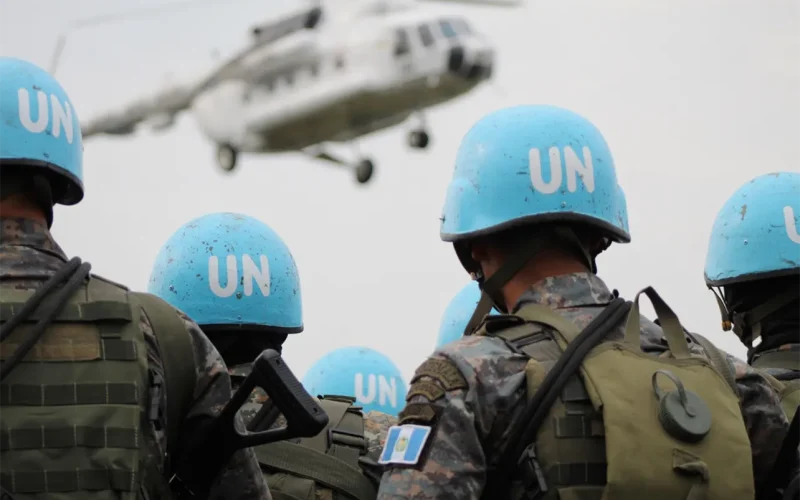
SINCE 1948, more than two million uniformed peacekeepers have served in over 70 United Nations (UN) peacekeeping missions. They have come from over 120 UN member states. But a few countries have regularly contributed a significant proportion of their troops. They have also made peacekeeping a foreign policy priority, and have adapted their own armed forces to fit UN requirements. These states have developed what we call “peacekeeping armies”. Since the end of the Cold War, the vast majority of these peacekeepers have been deployed in Africa, many of them by African countries. Today, 11 of the 20 countries that…
Read More
Kenya’s forgotten Mau Mau freedom fighters and the impeached deputy president that stood up for them

Kenya’s forgotten Mau Mau freedom fighters and the impeached deputy president that stood up for them

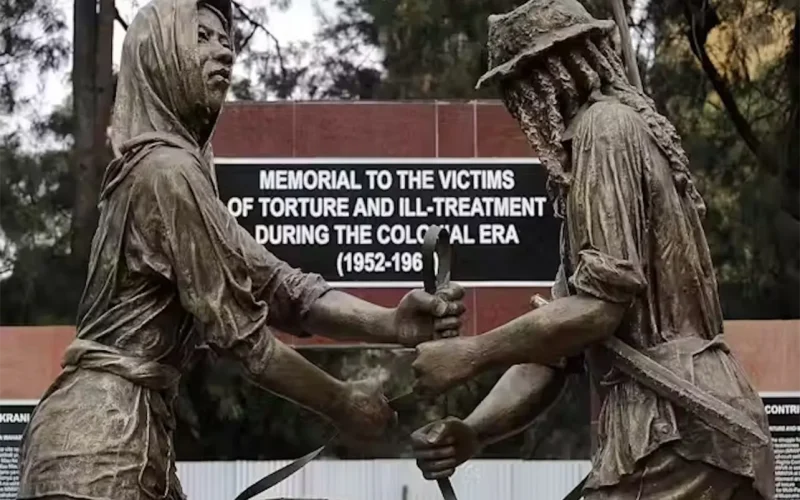
KENYA’S ousted deputy president, Rigathi Gachagua, who was impeached in October 2024, established his name early enough as a forceful politician unafraid to take a stand. These include his aggressive push for justice for Mau Mau ex-freedom fighters and those who survived them. Landless veterans of the guerrilla war against British colonialists were infamously left out of the post-independence stakes as the new government pledged to forgive and forget the exploitative colonial past. Benson Waiganjo Kanyingi, who has studied land grievances among the ex-freedom fighters and the silenced history of the Mbeere ex-freedom fighters in Embu county sets out the…
Read More
Who owns the traditional ‘family home’ in South Africa? Court sets a new precedent, but the law remains murky

Who owns the traditional ‘family home’ in South Africa? Court sets a new precedent, but the law remains murky

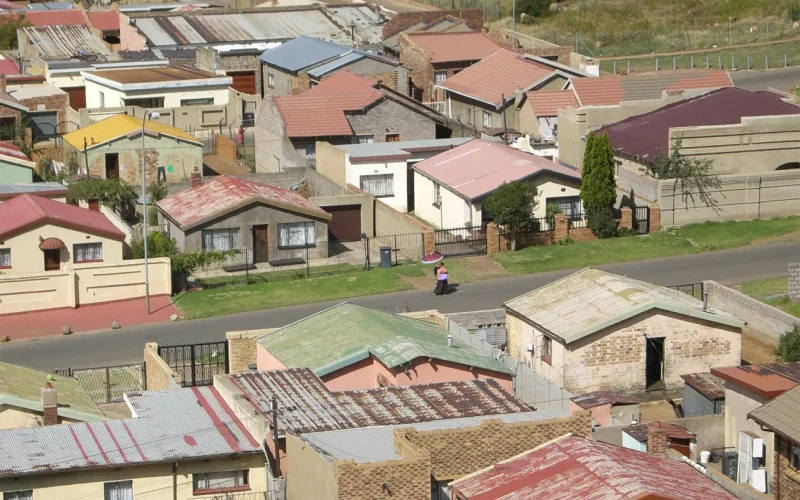
A recent ruling by the Johannesburg high court in South Africa has put the definition and control of the “family house” under African customary law under the spotlight. The ruling touches on sensitive issues of cultural heritage, statutory laws of property, and South Africa’s history of racial discrimination. It highlights the tension between customary norms, which underlie the idea of a communal family house, and the common law, which restricts ownership to the individual whose name appears in a title deed. The notion of a family house is not provided for in South African law. And prior to this ruling,…
Read More
African-led peacekeeping fills a UN-sized hole

African-led peacekeeping fills a UN-sized hole

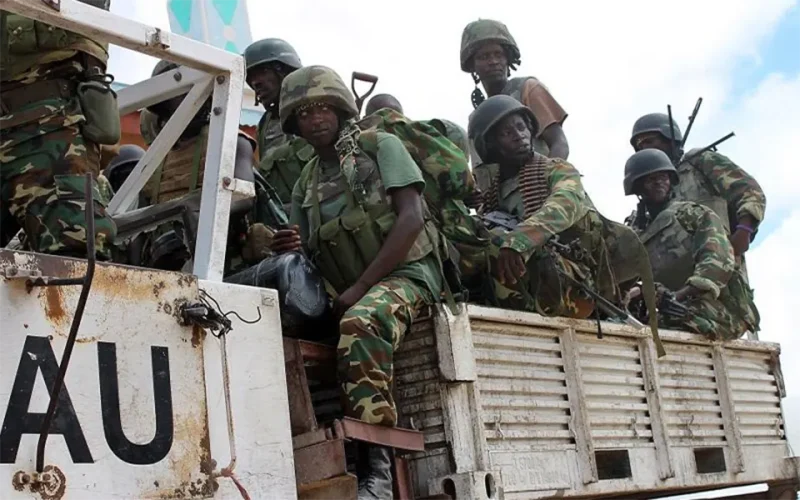
This story was originally published by The New Humanitarian.By Obi Anyadike IN 2011, Ugandan and Burundian troops of the African Union Mission in Somalia (AMISOM) fought for control of a shattered Mogadishu in bloody house-to-house combat against determined jihadist militants that lasted for almost a year.  It was grinding urban warfare. In one month alone, more than 50 African Union troops were killed – as were an unknown number of civilians. It wasn’t until October 2011 that AMISOM finally overran al-Shabab’s last strongholds in the north of the city. (See The New Humanitarian’s film Soldiers’ Stories, which followed Ugandan troops during the so-called "Battle for Mogadishu”.) This…
Read More
Zimbabwe’s public historian Pathisa Nyathi has died – he restored the erased history of the Ndebele people

Zimbabwe’s public historian Pathisa Nyathi has died – he restored the erased history of the Ndebele people

WHEN an elderly person dies, a library has burned down – the saying is a cliché but has never been truer than in the case of Pathisa Nyathi, who passed away at the age of 73 on 2 November. Nyathi was a living library and archive of Zimbabwean history, cultural practices and African philosophy. Through his work, he documented and preserved the customs and traditions of Zimbabwean people, especially the Ndebele. As a scholar of African literature and cultural production, I had the opportunity to interact with him. We were preparing a co-edited book called Power, Politics & Production: Essays…
Read More
Nuer people have a sacred connection to birds – it can guide conservation in Ethiopia and South Sudan

Nuer people have a sacred connection to birds – it can guide conservation in Ethiopia and South Sudan

THE Nuer are a large pastoralist community living in western Ethiopia and South Sudan in east Africa. They rely on livestock keeping and have special beliefs and customs about how to live with nature. These are passed down from parents to children through the telling of stories. Uncommonly for East African pastoralists, the Nuer live in an expansive, low-lying floodplain. This Gambella region is shaped by the convergence of several rivers originating in the Ethiopian highlands. Its wetlands and lush greenery offer a unique habitat that supports both the Nuer and a wide variety of birds and other wildlife. The…
Read More
Steve Biko, the South African struggle hero who was prepared to sacrifice his life for black liberation

Steve Biko, the South African struggle hero who was prepared to sacrifice his life for black liberation

WHAT happens when death becomes the ultimate marker of one’s commitment to one’s freedom? Jacob Dlamini explores this and other questions in his new book, Dying for Freedom: Political Martyrdom in South Africa. This edited extract, from the chapter Dead and Proud, focuses on Steve Biko’s attitude to martyrdom and to the political uses of death (30). Steve Biko’s death on 12 September 1977 generated arguably the most significant hagiography and iconography to come out of the struggle against apartheid. Artist Paul Stopforth was among the first to respond critically to the murder, producing a collection titled the Biko Series.…
Read More