Our website use cookies to improve and personalize your experience and to display advertisements (if any). Our website may also include cookies from third parties like Google Adsense, Google Analytics, and Youtube. By using the website, you consent to the use of cookies.

Poor countries seen missing out as rich nations hoard COVID-19 vaccines

Poor countries seen missing out as rich nations hoard COVID-19 vaccines

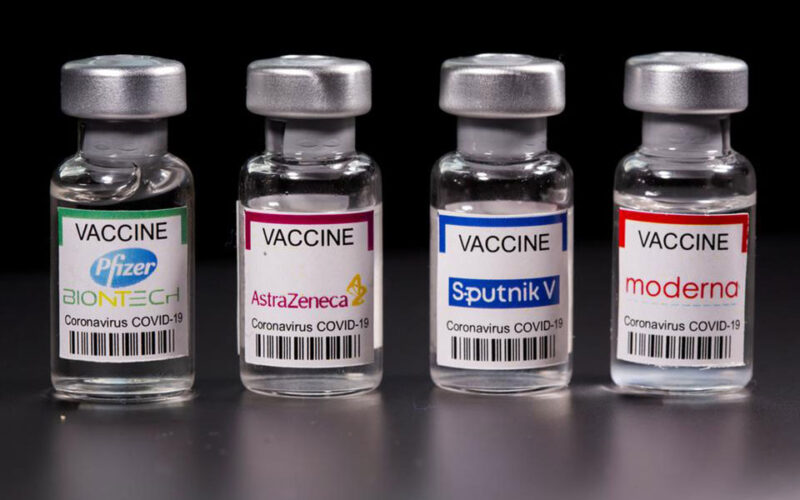
THIN LEI WIN NINE out of 10 people in dozens of poor nations could miss out on getting vaccinated against COVID-19 next year because rich countries have hoarded far more doses than they need, campaigners have said. Rich nations home to 14% of the global population had bought 53% of the total stock of the most-promising vaccines as of last month, said the People's Vaccine Alliance, a coalition including Oxfam, Amnesty International and Global Justice Now. They said pharmaceutical companies working on COVID-19 vaccines should openly share their technology and intellectual property through the World Health Organisation (WHO) so more…
Read More
UK warns people with serious allergies to avoid Pfizer vaccine after two adverse reactions

UK warns people with serious allergies to avoid Pfizer vaccine after two adverse reactions

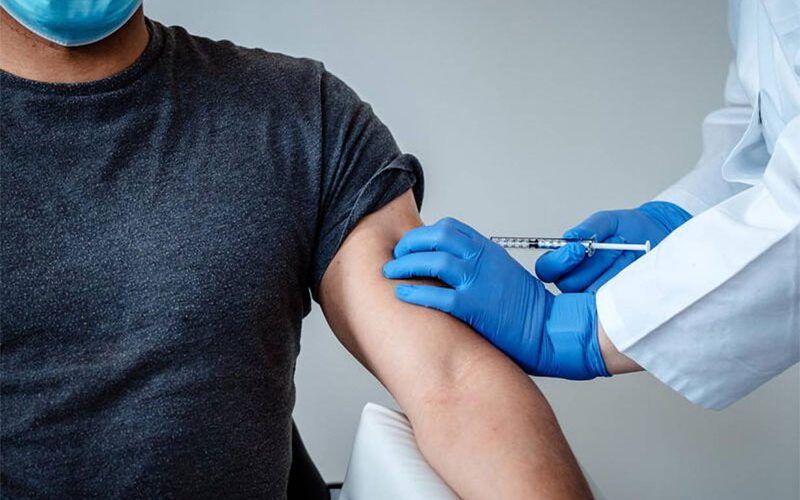
ALISTAIR SMOUT BRITAIN’S medicine regulator has advised that people with a history of significant allergies do not get Pfizer-BioNTech's COVID-19 vaccine after two people reported adverse reactions on the first day of rollout. Starting with the elderly and frontline workers, Britain began mass vaccinating its population on Tuesday, part of a global drive that poses one of the biggest logistical challenges in peacetime history. National Health Service medical director Stephen Powis said the advice had been changed after two NHS workers reported anaphylactoid reactions associated with receiving the vaccine. They were among the thousands who received the shot on Tuesday.…
Read More
Amnesty: rich countries have bought too many COVID-19 vaccines

Amnesty: rich countries have bought too many COVID-19 vaccines

RICH countries have secured enough coronavirus vaccines to protect their populations nearly three times over by the end of 2021, Amnesty International and other groups said on Wednesday, possibly depriving billions of people in poorer areas. Britain approved Pfizer's COVID-19 vaccine this month, raising hopes that the tide could soon turn against a virus that has killed nearly 1.5 million globally, hammered the world economy and upended normal life. Amnesty and other organisations including Frontline AIDS, Global Justice Now and Oxfam, urged governments and the pharmaceutical industry to take action to ensure intellectual property of vaccines is shared widely. The…
Read More
South African trial of AstraZeneca vaccine still months from efficacy results

South African trial of AstraZeneca vaccine still months from efficacy results

ALEXANDER WINNING  EFFICACY results may not be ready for months from a trial of AstraZeneca and Oxford University's coronavirus vaccine in South Africa, the principal investigator of the South African study told Reuters. AstraZeneca published findings this week from trials in Brazil and Britain showing its vaccine was on average about 70% effective in preventing coronavirus infection. It is seeking regulatory approval in several countries for its shot. However, the company has faced calls to provide more data, after it found that the efficacy was higher in a small sub-group of participants given a smaller initial dose. A larger U.S.…
Read More
South Africa enters second wave of COVID-19, says health minister

South Africa enters second wave of COVID-19, says health minister

SOUTH Africa has officially entered a second wave of the new coronavirus as the number of infections per day exceeds 6,000, the health minister said on Wednesday, raising concerns that restrictions to limit the spread could be tightened. Health Minister Zwelini Mkhize said in a televised address that infections stood at over 828,000 cases with deaths at more than 22,500, the most on the continent. Daily cases peaked at around 15,000 in July. "The increases are shown in about six of the provinces and that is why it is important for us to now recognise this is a second wave,"…
Read More
Britain’s non-recognition of Africa-administered vaccines regrettable – AU

Britain’s non-recognition of Africa-administered vaccines regrettable – AU

AYENAT MERSIE and GEORGE OBULUTSA THE African Union's (AU) top health official called Britain's lack of recognition for coronavirus vaccines administered in Africa regrettable, saying it sends a confusing public health message. England announced last week that it would expand the list of countries from which it recognises vaccines, adding 17 others beyond the initial list of the United States and Europe. None of those countries are in Africa. The British government sets coronavirus policy for England, while Scotland, Wales and Northern Ireland are in charge of their own rules. "We regret that the UK would take this position. We…
Read More
Diabetes targets would cost more but the impact would be worth it: here’s how

Diabetes targets would cost more but the impact would be worth it: here’s how

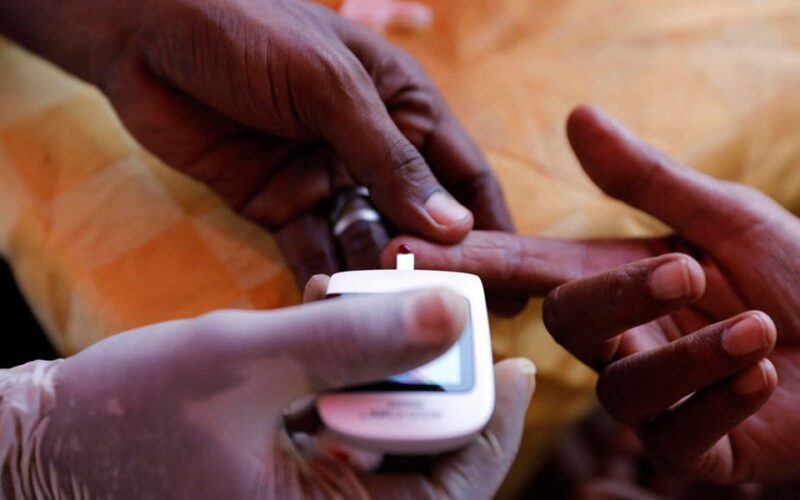
SETTING global health targets, which is often done by multinational organisations, such as the United Nations or World Health Organisation (WHO), is commonly used to improve health outcomes. For example, the United Nations target to improve access to treatment for HIV has resulted in many more people receiving the treatment that they need, which has saved lives. JUSTINE INA DAVIES, Professor of Global Health, Institute for Applied Research, University of Birmingham DAVID FLOOD, Research Fellow, University of Michigan JENNIFER MANNE-GOEHLER, Research Fellow in Medicine, Harvard University SANJAY BASU, Director of Research, Center for Primary Care, Harvard Medical School Now, the…
Read More
Developing nations’ plea to world’s wealthy at U.N.: stop vaccine hoarding

Developing nations’ plea to world’s wealthy at U.N.: stop vaccine hoarding

DAPHNE PSALEDAKIS LEADERS from developing nations warned the U.N. General Assembly this week that COVID-19 vaccine hoarding by wealthy countries left the door open for the emergence of new coronavirus variants even as infections already increase in many places. The Philippines warned of a "man-made drought" of vaccines in poor countries, Peru said international solidarity had failed and Ghana lamented vaccine nationalism. The United Nations chief described the inequitable distribution of COVID-19 vaccines as an "obscenity." "Rich countries hoard life-saving vaccines, while poor nations wait for trickles," Philippines President Rodrigo Duterte told the high-level gathering on Tuesday. "They now talk…
Read More
OPINION: Why coronavirus vaccine tourism would be a disaster for equality

OPINION: Why coronavirus vaccine tourism would be a disaster for equality

IT'S happening. Highly sought-after vaccines making their way on to the private market. Doses of the coronavirus jab developed by the University of Oxford and AstraZeneca could be available for purchase in India as soon as March, according to comments made by the CEO of the Serum Institute in India, the world’s largest vaccine manufacturer. Why does the future availability of vaccines for sale privately in countries such as India matter? Because it means a secondary market emerges for vaccines where wealthy foreign visitors could pay for a vaccination if not eligible to be immunised under their own government’s scheme. In…
Read More
Uganda loosens anti-coronavirus restrictions as pandemic ebbs

Uganda loosens anti-coronavirus restrictions as pandemic ebbs

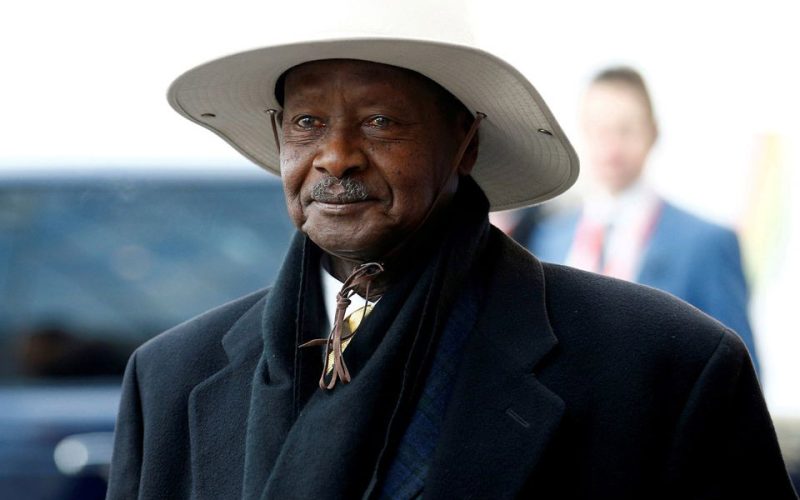
UGANDA’S President Yoweri Museveni has eased anti-coronavirus restrictions, including allowing resumption of education for universities and other post-secondary institutions, citing a decline in infections in the country. The east African country started experiencing a second wave of the pandemic around May, shortly after authorities announced detection of the highly transmissible Delta variant. In response Museveni put the country of 45 million under a sweeping lockdown that included shuttering of nearly all businesses, closure of schools and halting of traffic. Some of the restrictions were lifted at the end of July after cases started to drop. In a televised speech late…
Read More