Our website use cookies to improve and personalize your experience and to display advertisements (if any). Our website may also include cookies from third parties like Google Adsense, Google Analytics, and Youtube. By using the website, you consent to the use of cookies.

WHO does not envisage COVID-19 vaccines being made mandatory

WHO does not envisage COVID-19 vaccines being made mandatory

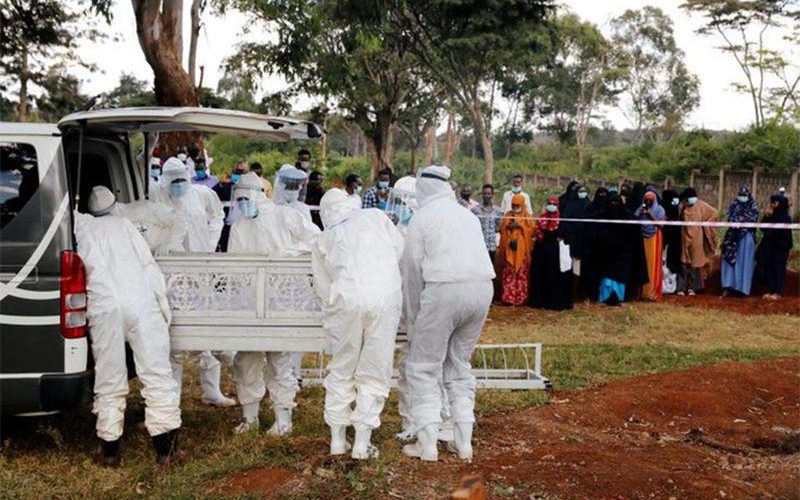
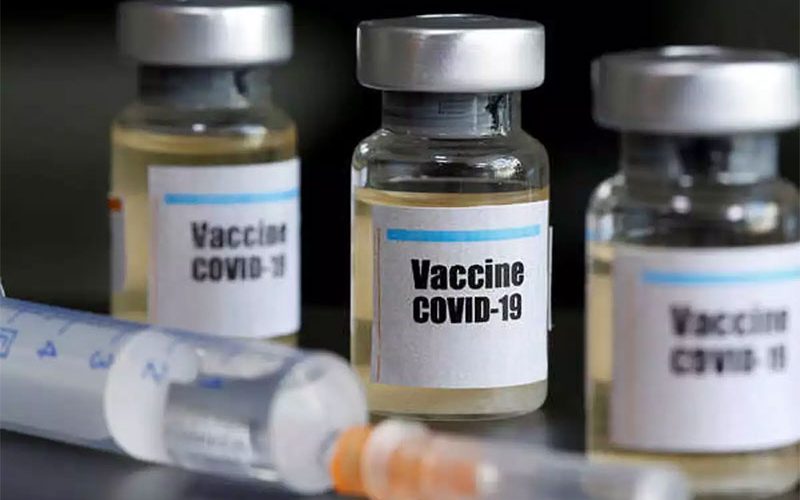
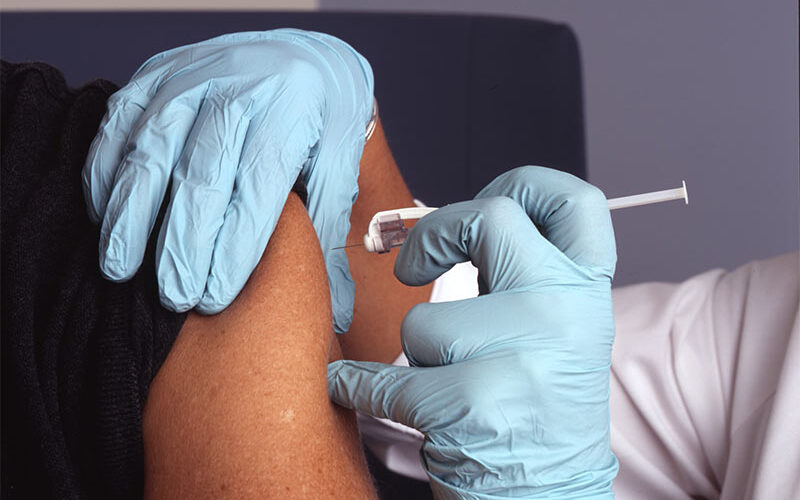
THE World Health Organization does not foresee mandatory vaccinations being introduced around the world to stem the spread of the coronavirus, officials have said. Information campaigns and making vaccines available to priority groups such as hospital workers and the elderly would be more effective, the WHO said, as the global death toll has topped 1.5 million, according to Reuters calculations. Britain begins its vaccine programme this week and others are likely to follow soon, so authorities are seeking to reassure people of vaccines' safety and efficacy in order to get a critical mass to take them in the face of…
Read More
Progress against a neglected tropical disease in east Africa is under threat

Progress against a neglected tropical disease in east Africa is under threat

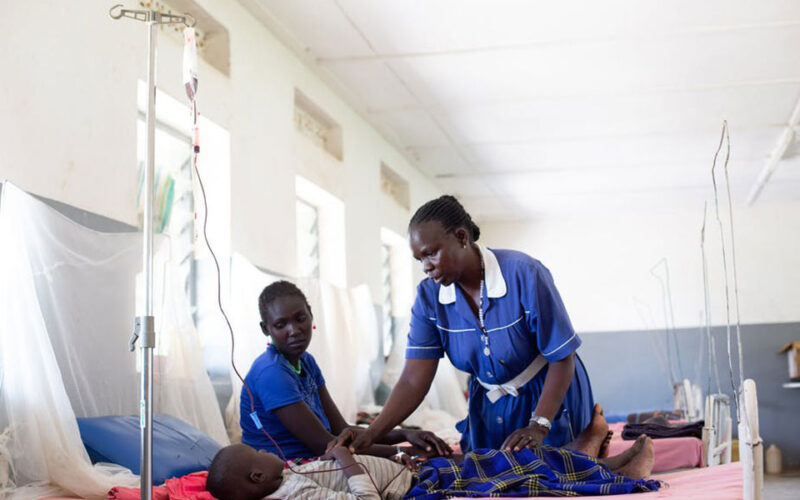
ELEVEN years ago, in the rugged hills of West Pokot County in Kenya, Mary Alamak, a mother of four, fell ill with the parasitic disease kala-azar while she was pregnant. Her weight fell from 80 to 45 kgs in a matter of weeks. She feared for the life of her baby and her own. At the Kacheliba District Hospital, she could get diagnosed, and treated with AmBisome injections. She was cured and regained weight – and her baby was saved. MONIQUE WASUNNA, Researcher, Kenya Medical Research Institute I have met many patients like Mary in my 30-year experience in the…
Read More
U.S. to allow vaccinated travellers from South Africa

U.S. to allow vaccinated travellers from South Africa

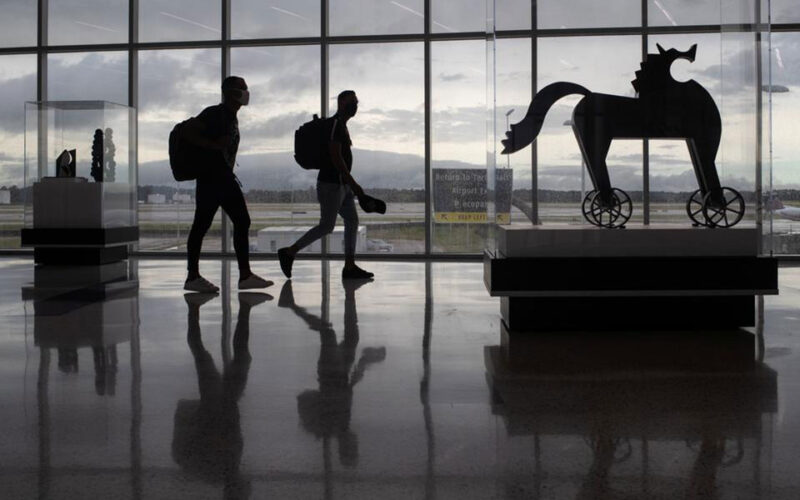
DAVID SHEPARDSON and ANDREA SHALAL THE United States in November will re-open air travellers from China, India, Britain and many other European countries who are fully vaccinated against COVID-19, the White House has announced, rolling back tough pandemic-related travel restrictions imposed beginning early last year. The decision, announced by White House coronavirus response coordinator Jeff Zients, marked an abrupt about-face for President Joe Biden's administration, which last week said it was not the right time to lift any restrictions. The restrictions had prevented tens of thousands of foreign nationals from flying to the United States to see family members and…
Read More
Britain gets ready for roll-out world-first COVID-19 vaccine this week

Britain gets ready for roll-out world-first COVID-19 vaccine this week

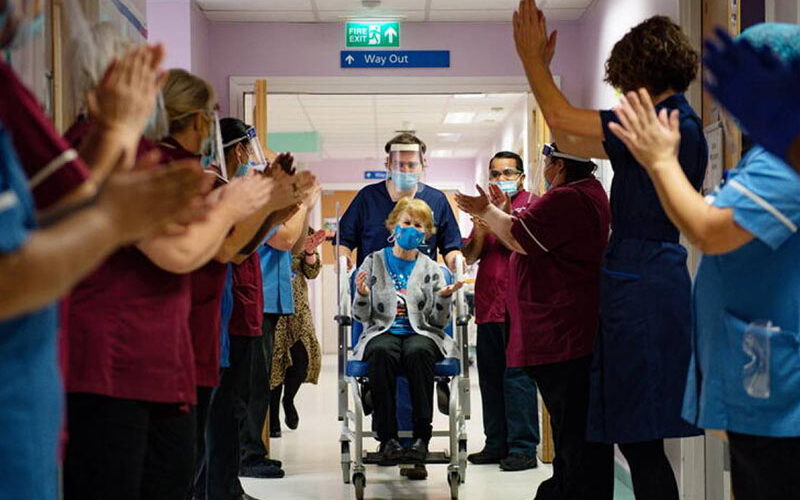
ALISTAIR SMOUT and ESTELLE SHIRBON BRITAIN is preparing to become the first country to roll out the Pfizer/BioNTech COVID-19 vaccine this week, initially making the shot available at hospitals before distributing stocks to doctors' clinics, the government said on Sunday. The first doses are set to be administered on Tuesday, with the National Health Service (NHS) giving top priority to vaccinating the over-80s, frontline healthcare workers and care home staff and residents. Britain gave emergency use approval for the vaccine developed by Pfizer and BioNTech last week - jumping ahead in the global race to begin the most crucial mass…
Read More
What Nigerians told us about their mental health under COVID-19 lockdown

What Nigerians told us about their mental health under COVID-19 lockdown

IN Nigeria, mental illness is highly stigmatised and mental healthcare is not widely available. Resources, facilities and health staff are in short supply and disorders may not be well understood at the primary healthcare level. LEVI OSUAGWU, Research fellow, Western Sydney University KINGSLEY EMWINYORE AGHO, Associate Professor, Western Sydney University RICHARD OLORUNTOBA, Associate Professor of Supply Chain Management & Supply Chain Management Lead, Curtin University It’s been estimated that 80% of individuals with serious mental health needs in Nigeria cannot access care. With fewer than 300 city-based psychiatrists for a population of over 200 million, caring for the mentally ill…
Read More
Vaccinating the world: Lessons learned from India, Haiti and Sierra Leone

Vaccinating the world: Lessons learned from India, Haiti and Sierra Leone

ANASTASIA MOLONEY ROLLING out COVID-19 vaccines to billions of people across the world means managing the most complex supply chains the world has ever seen. But valuable lessons are there to be learned including from India where hundreds of millions of children are vaccinated against diseases every year and Sierra Leone where people received Ebola shots after the deadly disease outbreak in 2014. We asked public health experts and a community health worker who survived Ebola how they ensure vaccines reach those most in need. INCLUDE WOMEN Globally about 70% of health workers are female, and women are often the…
Read More
UAE central bank sees COVID-19 increasing money-laundering risks

UAE central bank sees COVID-19 increasing money-laundering risks

THE United Arab Emirates central bank sees increased risks of illicit financial flows emerging from the COVID-19 pandemic, including money-laundering and terrorism financing, it said in a report. The use of unlicensed money service providers for money laundering has increased during the coronavirus crisis last year, the report said, as well as the use of e-commerce to launder money. "Widespread lockdowns have resulted in a significant surge in e-commerce. Due to limited ability to move funds and goods during the pandemic, illicit actors are turning to e-commerce as a money-laundering tool", it said. The number of so-called "money mules" -…
Read More
Why is COVID-19 pushing up extreme poverty and can it be reversed?

Why is COVID-19 pushing up extreme poverty and can it be reversed?

SONIA ELKS COVID-19 could push a billion people - almost one in nine of the earth's inhabitants - into extreme poverty by 2030. The alarming statistic laid out in a United Nations report this week is the latest warning of the generational impact the pandemic is having on the world's most vulnerable. How did the coronavirus unleash an economic storm risking so many livelihoods and what can be done to shield those most at risk? What is extreme poverty? Anyone living on less than $1.90 per day is defined as being in extreme poverty by the World Bank, which says…
Read More
WHO hopes to have 500 mln vaccine doses via COVAX scheme in Q1 2021 -chief scientist

WHO hopes to have 500 mln vaccine doses via COVAX scheme in Q1 2021 -chief scientist

THE World Health Organization hopes to have half a billion doses of COVID-19 vaccines available for distribution by the global COVAX initiative in the first quarter of 2021, its chief scientist has said. To date 189 countries have joined the COVAX programme, which is backed by the WHO and seeks to ensure equitable distribution of vaccines. The United States is not among them, having secured bilateral deals. The initial COVAX plan is to vaccinate the 20% of populations at highest risk, including health workers and people aged over 65. "The goal is to get at least 2 billion doses by…
Read More
South Africa expects first vaccines from COVAX scheme in Q2 2021

South Africa expects first vaccines from COVAX scheme in Q2 2021

SOUTH Africa expects to receive its first batch of COVID-19 vaccines from the global vaccine distribution scheme co-led by the World Health Organization in the second quarter of next year, the health ministry said. The ministry added in a statement that it was on track to sign an agreement with the COVAX program by December 15, by which date it would also make the first tranche of payment. South Africa has recorded more than 800,000 coronavirus infections and over 21,000 deaths related to COVID-19, the most on the African continent. The country is seeking to buy vaccines for 10% of…
Read More