Our website use cookies to improve and personalize your experience and to display advertisements (if any). Our website may also include cookies from third parties like Google Adsense, Google Analytics, and Youtube. By using the website, you consent to the use of cookies.

What Nigerians told us about their mental health under COVID-19 lockdown

What Nigerians told us about their mental health under COVID-19 lockdown

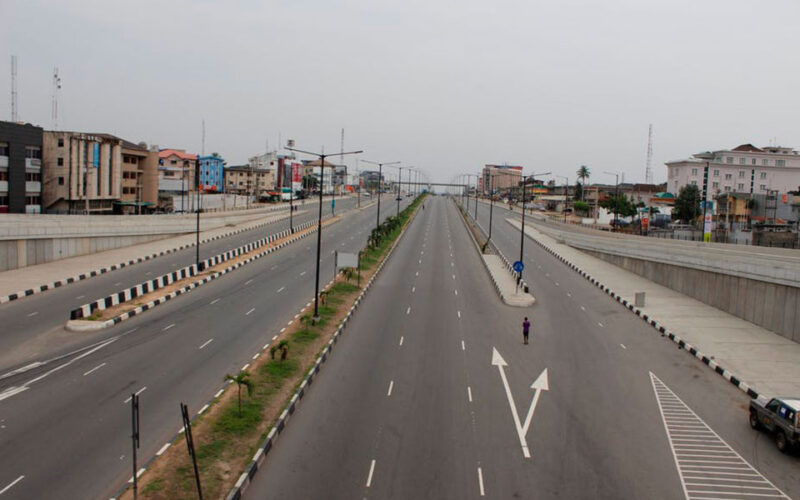
IN Nigeria, mental illness is highly stigmatised and mental healthcare is not widely available. Resources, facilities and health staff are in short supply and disorders may not be well understood at the primary healthcare level. LEVI OSUAGWU, Research fellow, Western Sydney University KINGSLEY EMWINYORE AGHO, Associate Professor, Western Sydney University RICHARD OLORUNTOBA, Associate Professor of Supply Chain Management & Supply Chain Management Lead, Curtin University It’s been estimated that 80% of individuals with serious mental health needs in Nigeria cannot access care. With fewer than 300 city-based psychiatrists for a population of over 200 million, caring for the mentally ill…
Read More
Vaccinating the world: Lessons learned from India, Haiti and Sierra Leone

Vaccinating the world: Lessons learned from India, Haiti and Sierra Leone

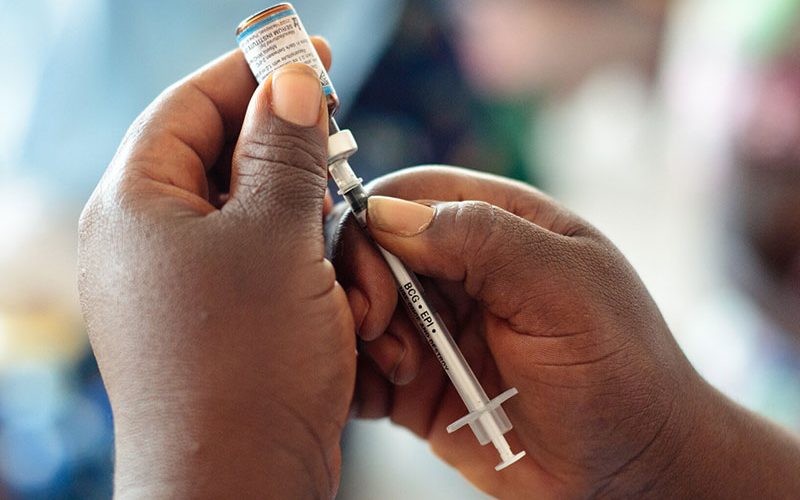
ANASTASIA MOLONEY ROLLING out COVID-19 vaccines to billions of people across the world means managing the most complex supply chains the world has ever seen. But valuable lessons are there to be learned including from India where hundreds of millions of children are vaccinated against diseases every year and Sierra Leone where people received Ebola shots after the deadly disease outbreak in 2014. We asked public health experts and a community health worker who survived Ebola how they ensure vaccines reach those most in need. INCLUDE WOMEN Globally about 70% of health workers are female, and women are often the…
Read More
UAE central bank sees COVID-19 increasing money-laundering risks

UAE central bank sees COVID-19 increasing money-laundering risks

THE United Arab Emirates central bank sees increased risks of illicit financial flows emerging from the COVID-19 pandemic, including money-laundering and terrorism financing, it said in a report. The use of unlicensed money service providers for money laundering has increased during the coronavirus crisis last year, the report said, as well as the use of e-commerce to launder money. "Widespread lockdowns have resulted in a significant surge in e-commerce. Due to limited ability to move funds and goods during the pandemic, illicit actors are turning to e-commerce as a money-laundering tool", it said. The number of so-called "money mules" -…
Read More
Why is COVID-19 pushing up extreme poverty and can it be reversed?

Why is COVID-19 pushing up extreme poverty and can it be reversed?

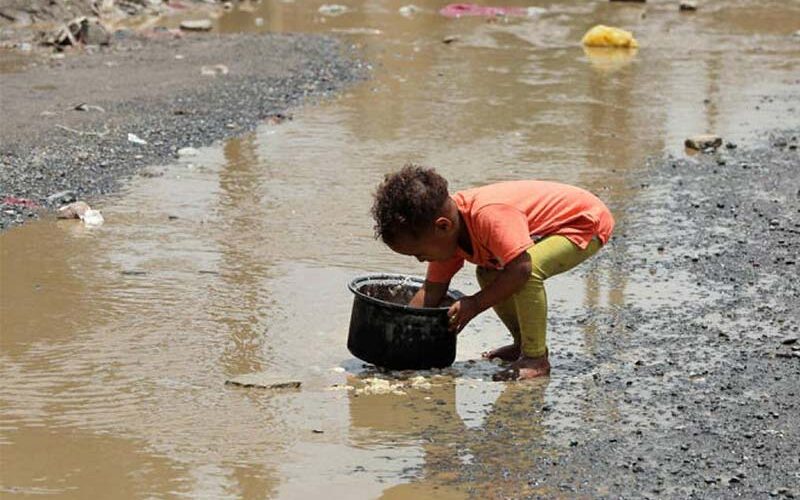
SONIA ELKS COVID-19 could push a billion people - almost one in nine of the earth's inhabitants - into extreme poverty by 2030. The alarming statistic laid out in a United Nations report this week is the latest warning of the generational impact the pandemic is having on the world's most vulnerable. How did the coronavirus unleash an economic storm risking so many livelihoods and what can be done to shield those most at risk? What is extreme poverty? Anyone living on less than $1.90 per day is defined as being in extreme poverty by the World Bank, which says…
Read More
WHO hopes to have 500 mln vaccine doses via COVAX scheme in Q1 2021 -chief scientist

WHO hopes to have 500 mln vaccine doses via COVAX scheme in Q1 2021 -chief scientist

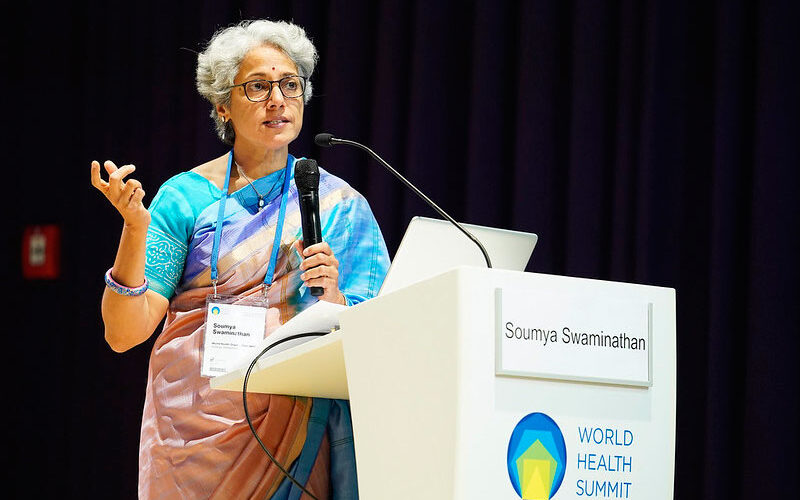
THE World Health Organization hopes to have half a billion doses of COVID-19 vaccines available for distribution by the global COVAX initiative in the first quarter of 2021, its chief scientist has said. To date 189 countries have joined the COVAX programme, which is backed by the WHO and seeks to ensure equitable distribution of vaccines. The United States is not among them, having secured bilateral deals. The initial COVAX plan is to vaccinate the 20% of populations at highest risk, including health workers and people aged over 65. "The goal is to get at least 2 billion doses by…
Read More
South Africa expects first vaccines from COVAX scheme in Q2 2021

South Africa expects first vaccines from COVAX scheme in Q2 2021

SOUTH Africa expects to receive its first batch of COVID-19 vaccines from the global vaccine distribution scheme co-led by the World Health Organization in the second quarter of next year, the health ministry said. The ministry added in a statement that it was on track to sign an agreement with the COVAX program by December 15, by which date it would also make the first tranche of payment. South Africa has recorded more than 800,000 coronavirus infections and over 21,000 deaths related to COVID-19, the most on the African continent. The country is seeking to buy vaccines for 10% of…
Read More
Algeria launches coronavirus vaccination campaign

Algeria launches coronavirus vaccination campaign

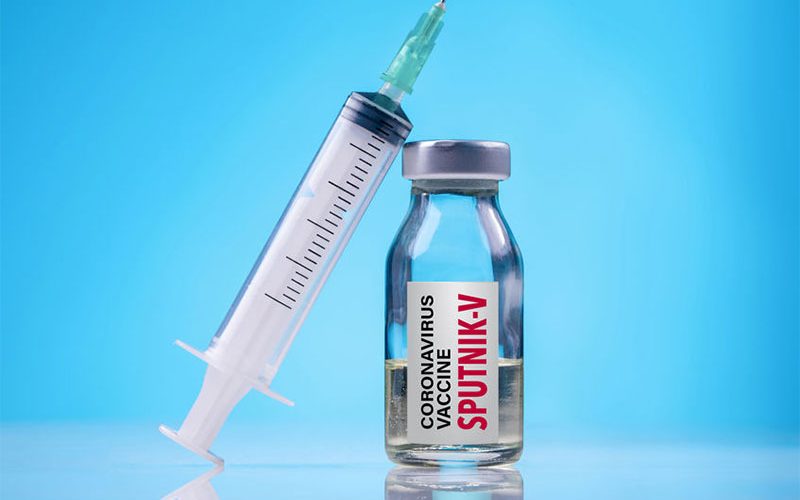
ALGERIA yesterday launched a coronavirus vaccination campaign, a day after receiving its first shipment of Russia's Sputnik V vaccine, the government said. The campaign started in the Blida province, 40 km (25 miles) southwest of the capital, Algiers, where the country's first confirmed cases of the coronavirus were reported last March. Algeria received 50,000 doses of Sputnik V on Friday, said Djamel Fourar, head of the Scientific Committee in charge of dealing with the pandemic. The North African country will receive a shipment of the AstraZeneca vaccine on Sunday, Communication Minister Ammar Belhimer said, without providing the number of doses.…
Read More
Novavax to produce 150 million vaccine doses per month

Novavax to produce 150 million vaccine doses per month

LUDWIG BURGER NOVAVAX expects to produce up to 150 million COVID-19 vaccine doses monthly by May or June, its chief executive told Reuters, after reporting interim data that showed its shot to be 89% effective in a UK trial. Novavax expects to complete the clinical trial for its experimental COVID-19 vaccine in the next few weeks, but is already working on manufacturing to be able to reach full production capacity quickly, Chief Executive Officer Stanley Erck said. "We should be at full capacity starting in May or June, maybe as much as one hundred and fifty million doses per month…
Read More
Breastfeeding trends show most developing countries may miss global nutrition targets

Breastfeeding trends show most developing countries may miss global nutrition targets

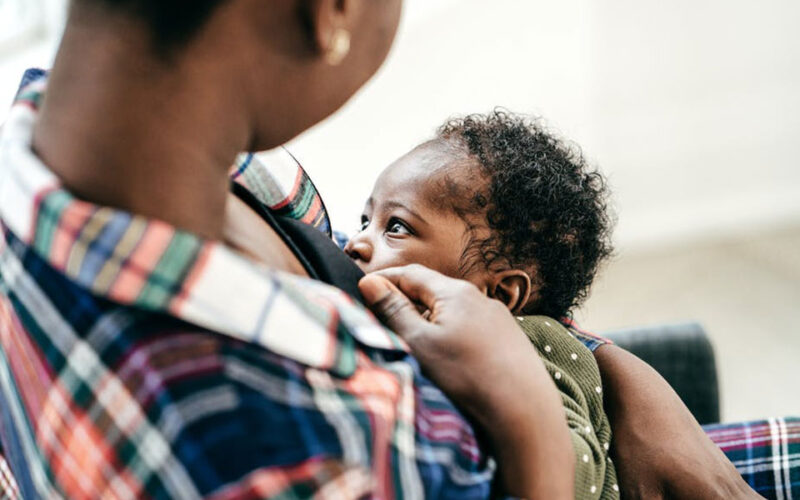
EXCLUSIVE breastfeeding, the practice of giving only breast milk (no other food or water), is the ideal for an infant’s first six months. Breast milk contains all the essential nutrients an infant needs at this stage. DR DICKSON AMUGSI, Associate Research Scientist, African Population and Health Research Center Research has illuminated the longer-term health benefits of exclusive breastfeeding for the mother and child. These benefits include reducing the risk of overweight and obesity in childhood and adolescence and certain non-communicable diseases later in life and enhancing human capital in adulthood. Additionally, breastfeeding reduces the risk of breast and ovarian cancers,…
Read More
In the midst of a pandemic, Nigeria battles to end a painful blinding disease

In the midst of a pandemic, Nigeria battles to end a painful blinding disease

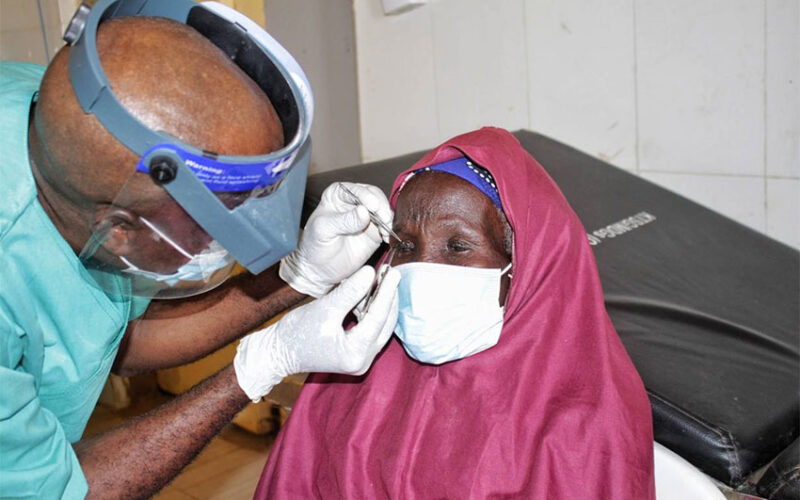
ADAOBI TRICIA NWAUBANI and NITA BHALLA FOR eight years Nigerian housewife Mallama Baraka suffered in silence as the eye disease trachoma, which can blind but is entirely preventable, slowly took its toll. It started with a watery discharge and a burning, itchy sensation in her eyes. Her eyelids swelled and her eyelashes turned inside them, causing her extreme pain each time she blinked. Over time, she began to see less clearly. "It became hard for me to do my daily chores ... but the clinic is far and it would take time and money to go there. I thought whatever…
Read More