Our website use cookies to improve and personalize your experience and to display advertisements (if any). Our website may also include cookies from third parties like Google Adsense, Google Analytics, and Youtube. By using the website, you consent to the use of cookies.

Kidney disease is growing in Africa: big new study casts light on genetic risk factors

Kidney disease is growing in Africa: big new study casts light on genetic risk factors

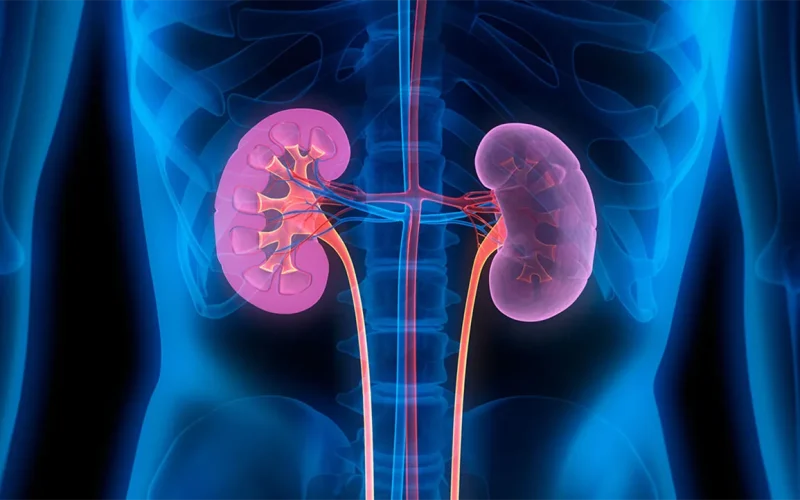
EVERY minute your kidneys are hard at work, filtering around 200 litres of blood, removing waste, balancing salts and fluids, and regulating blood pressure. This happens without any conscious effort on your part. But when your kidneys begin to fail, the consequences are devastating, including fatigue, fluid buildup and heart complications. Some people eventually need dialysis or a transplant to stay alive. Kidney disease is one of the fastest-growing causes of death across the world. Around 850 million people are living with some form of it, more than the combined number of people affected by diabetes and cancer. Chronic kidney…
Read More
Nigeria imports 70% of its medicines – why local manufacturing doesn’t meet demand

Nigeria imports 70% of its medicines – why local manufacturing doesn’t meet demand

NIGERIA imports at least 70% of its medicines. This is striking for a country of over 230 million people and at least 120 active pharmaceutical manufacturers. Domestic manufacturing is largely concentrated in lower-end medicines that require relatively simple production processes. The more complex and higher-value pharmaceutical products continue to be imported. This pattern has persisted for decades. It reflects two things. First is the limited impact of policies aimed at reducing import dependence. The other is the entrenched interests across pharmaceutical companies. An incentive structure that favours imports over local production. I recently completed my doctorate studies focusing on the…
Read More
Maternity health services in Nigeria are failing women: 4 steps to better care

Maternity health services in Nigeria are failing women: 4 steps to better care

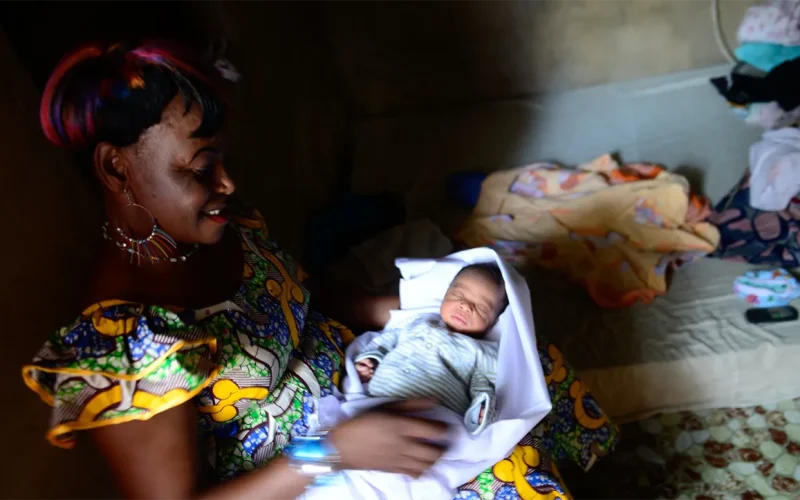
NIGERIA faces one of the world’s highest maternal mortality rates. Around 1,047 women die for every 100,000 live births, far above the African regional average of about 531 deaths per 100,000. This highlights the fact that not all women are getting maternal healthcare. Reasons include: differences in access to healthcare between geographical regions socio-demographic factors such as education, poverty, age and limited decision-making power within households religious affiliation, which in some communities shapes health-seeking behaviour limited exposure to health information poverty and unemployment a lack of health insurance. Nigeria has implemented several maternal health programmes over the past two decades.…
Read More
Mental health laws ignore traditional care in Africa: insights from 5 countries

Mental health laws ignore traditional care in Africa: insights from 5 countries

WHEN Idoko, a 23-year-old man living in rural Benue State, north central Nigeria, began hearing voices, withdrawing from family and speaking incoherently, his family’s first call was not to a psychiatrist. They took him to a local faith-based prayer group, where members pray over people believed to be afflicted by spiritual forces. When he showed no signs of recovery, the clan head advised them to take him to a renowned traditional healer. Idoko was chained to a tree for the first six weeks and was given doses of a herbal concoction prepared by the traditional healer. His condition improved, and…
Read More
‘Miracle workers’: SA President hails Mankweng team after historic separation of conjoined twins

‘Miracle workers’: SA President hails Mankweng team after historic separation of conjoined twins

IN the operating theatres of Mankweng Hospital in Limpopo, history did not arrive with fanfare. It arrived in scrubs, in silence, and in the steady hands of a team of surgeons, anaesthetists, nurses, and specialists who refused to be daunted by one of medicine’s most complex challenges. When the procedure concluded successfully, the result was not merely a surgical milestone -  it was a profound affirmation of life. The successful separation of conjoined twins at Mankweng Hospital now stands as one of the most celebrated achievements in South African public healthcare in recent memory. Led by the distinguished Professor Nyaweleni…
Read More
African countries are signing bilateral health deals with the US: virologist identifies the ‘red flags’

African countries are signing bilateral health deals with the US: virologist identifies the ‘red flags’

THE United States is signing bilateral health deals with African countries. By the end of February 2026, deals worth US$19.8 billion had been signed in new health funding. Of this amount, the US has committed US$12.2 billion and African countries US$7.5 billion. Eighteen African countries have signed these deals. They are Botswana, Burkina Faso, Burundi, Cameroon, Côte d’Ivoire, the Democratic Republic of Congo, Eswatini, Ethiopia, Kenya, Lesotho, Liberia, Madagascar, Malawi, Mozambique, Nigeria, Rwanda, Sierra Leone and Uganda. The Conversation Africa asked virology professor Oyewale Tomori, a former World Health Organisation regional virologist, how African countries should have responded to this…
Read More
HIV in Malawi: digital filing system saved lives and boosted care – research

HIV in Malawi: digital filing system saved lives and boosted care – research

IN the global fight against HIV/Aids, one of the most exciting innovations is not a new drug, but a better filing system. This is what we’re seeing in Malawi, one of the most HIV-affected countries in the world. About 7% of the population there lives with the virus. The country is one of the few meeting the United Nations 95-95-95 targets (95% of people living with HIV are diagnosed, 95% of those diagnosed are treated, and 95% of those on treatment have a viral load below 200 copies per millilitre). Sustaining this progress is a massive challenge in large clinics…
Read More
African Union agency and Wits University launch executive programme to overhaul public sector governance across Africa

African Union agency and Wits University launch executive programme to overhaul public sector governance across Africa

The African Union Development Agency (AUDA-NEPAD) and the University of the Witwatersrand's School of Governance (WSG) on Monday formally launched a strategic partnership to deliver a high-level Executive Management Programme aimed at strengthening public sector leadership across the African continent — an initiative that its architects say directly addresses a governance deficit threatening the realisation of Agenda 2063. The launch, held at the Wits Anglo American Digital Dome in Johannesburg, was attended by South Africa's Minister in the Presidency for Planning, Monitoring and Evaluation, Dr Maropene Ramokgopa; AUDA-NEPAD Chief Executive Officer H.E. Nardos Bekele-Thomas; Wits School of Governance Head Professor…
Read More
Women in Ghana can access safe abortions: why are so many still using unsafe methods

Women in Ghana can access safe abortions: why are so many still using unsafe methods

GHANA’S abortion law is relatively liberal. Abortion is legally permitted in the first trimester when a pregnancy endangers the mother’s life or physical or mental health, or when it is due to rape or incest. Thus, medication abortion has become more widely available. Medication abortion involves the use of mifepristone and misoprostol pills, which stop pregnancy and enable the uterus to expel it naturally. When used correctly and with proper guidance, it is an acceptable, effective and safe method. Despite the availability of this safe method, however, it’s not always used in Ghana, especially by young women. The 2017 Ghana…
Read More
Eczema and asthma in children: how household fuels are harming health in poor South African homes

Eczema and asthma in children: how household fuels are harming health in poor South African homes

IN many households in Mabopane and Soshanguve – townships on the northern outskirts of South Africa’s City of Tshwane that are marked by high poverty, unemployment and informal economic activity – evenings follow a familiar pattern. When electricity cuts occur or power becomes unaffordable, families turn to gas stoves, paraffin heaters, or wood and coal fires to cook meals and keep warm. These energy sources contribute to air pollution, but the most harmful exposure often happens indoors, where children spend much of their time. These choices, though often unavoidable, put young children’s health at risk. Children are particularly vulnerable to…
Read More