Our website use cookies to improve and personalize your experience and to display advertisements (if any). Our website may also include cookies from third parties like Google Adsense, Google Analytics, and Youtube. By using the website, you consent to the use of cookies.

Sexual harassment is rife in many African media workplaces

Sexual harassment is rife in many African media workplaces

SURVIVORS of sexual violence around the world have begun to speak out more in recent years. This has happened partly due to the #MeToo movement, which began in 2006 in the US and gained momentum through high-profile cases like Hollywood executive Harvey Weinstein and actor Bill Cosby. LINDSEY BLUMELL, Lecturer in Journalism, City, University of London DINFIN MULUPI, PhD Student, University of Maryland On the African continent, several countries have seen the movement gain ground. In Kenya, there was the #mydressmychoice campaign while in Nigeria the #ArewaMeToo campaign mobilised survivors and activists. In South Africa, women have used several campaigns…
Read More
Sex for water scandal hits Libyan migrants camp

Sex for water scandal hits Libyan migrants camp

ROBIN EMMOTT AMNESTY International has revealed that migrants held in Libyan detention camps are subject to horrific sexual violence at the hands of guards, including being forced to barter sex for clean water, food and access to sanitation. The report, which focused on migrants intercepted in the Mediterranean and who disembarked in Libya in 2020 and 2021, suggests worsening conditions in the camps despite being recently placed under the control of the Libyan interior ministry. Pope Francis and United Nations Secretary-General Antonio Guterres have called for their closure. Camp guards say, "maybe you want fresh water and beds ... let…
Read More
Lessons from the past: protecting women and girls from violence during COVID-19

Lessons from the past: protecting women and girls from violence during COVID-19

COVID-19 has impacted women and girls around the globe in adverse ways. However, little attention has been paid to women and girls in humanitarian settings, those whose safety has already been reduced due to conflict, natural disaster or displacement. For these women and girls, COVID-19 has made them particularly vulnerable to increases in gender-based violence. LINDSAY STARK, Associate Professor of Social Work and Public Health, Washington University in St Louis LUISSA VAHEDI, PhD candidate, Washington University in St Louis This is not the first time we have seen an infectious disease event lead to higher levels of gender-based violence. A…
Read More
Libya fails to stop migrant detention abuses, as EU-backed returns soar

Libya fails to stop migrant detention abuses, as EU-backed returns soar

SARA CRETA ZINTAN, LibyaThe EU-backed Libyan Coast Guard has intercepted more than 13,000 asylum seekers and migrants at sea this year, preventing them from reaching Europe – already a greater number than in all of 2020. Those intercepted are returned to Libya and sent to detention centres where a well-documented cycle of extortion, torture, gender-based violence, and trafficking has been taking place for years.   At the same time, the EU is facing intensifying scrutiny over its hand in the system due to its support for the Libyan Coast Guard – including the use of its aerial surveillance assets to coordinate interceptions and returns to…
Read More
Tunisian garment workers fight for unpaid wages in pandemic’s shadow

Tunisian garment workers fight for unpaid wages in pandemic’s shadow

LAYLI FOROUDI RACKING up debts and running out of options, Tunisian seamstress Najeh is pinning her hopes on her employer's promise to pay four months of overdue wages in August. The 44-year-old, who declined to give her last name for fear of reprisals, is the main breadwinner in her household and has been commuting every day to her garment factory job of 22 years despite receiving no wages since March. Tunisian garment factories, which mainly supply European fashion brands, have been hard-hit by the COVID-19 pandemic - with thousands of job losses and a rise in complaints about labour rights…
Read More
World hunger, malnutrition soared last year mostly due to COVID-19 – U.N. agencies

World hunger, malnutrition soared last year mostly due to COVID-19 – U.N. agencies

MAYTAAL ANGEL WORLD hunger and malnutrition levels worsened dramatically last year, with most of the increase likely due to the COVID-19 pandemic, according to a multi-agency United Nations (U.N.) report. After remaining virtually unchanged for five years, the number of undernourished people rose to around 768 million last year - equivalent to 10% of the world's population and an increase of around 118 million versus 2019, the report said. Authored by U.N. agencies including the Food and Agriculture Organization (FAO), the World Food Programme (WFP) and the World Health Organisation (WHO), the report is the first comprehensive assessment of food…
Read More
Five human rights wins in a year marked by COVID-19 backsliding

Five human rights wins in a year marked by COVID-19 backsliding

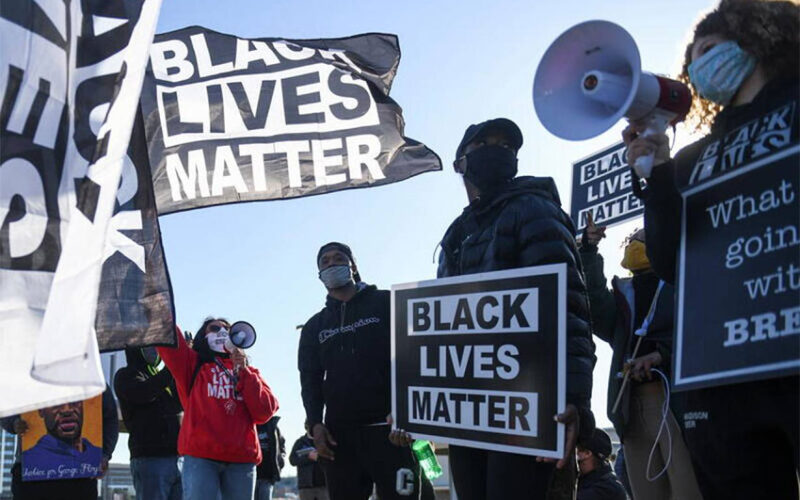
SONIA ELKS THE coronavirus pandemic deepened entrenched inequalities and took an especially heavy toll on the most vulnerable, but in a grim year there were some notable wins for human rights, Amnesty International said on Wednesday. From Black Lives Matter protests showcasing people power to climate lawsuits holding corporations to account and a groundswell of action to fight violence against women, the rights group highlighted bright spots in its annual report on the state of human rights worldwide. Here are five of the human rights wins and positive trends identified by Amnesty: 1. Black Lives Matter protests The death of George Floyd…
Read More
Conflict and COVID-19 drive hunger to record levels in Congo

Conflict and COVID-19 drive hunger to record levels in Congo

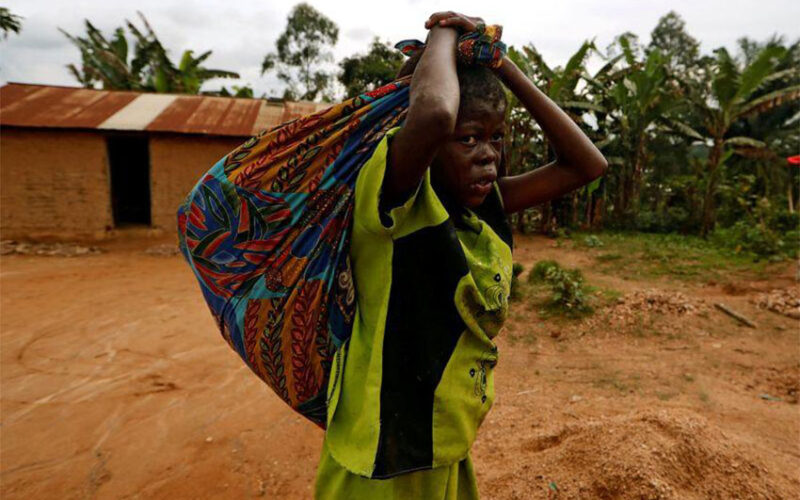
A record 27.3 million people in the Democratic Republic of Congo, or about one-third of its population, are suffering from acute hunger, largely because of conflict and the economic impact of the COVID-19 pandemic, the United Nations said yesterday. The figure makes Congo home to the most people needing urgent food assistance in the world, the World Food Programme (WFP) and the U.N. Food and Agriculture Organization (FAO) said in a joint statement. Besides conflict and the pandemic, the number also rose because the latest analysis covered more people than previous ones. "For the first time ever we were able…
Read More
Why girls continue to experience violence at South African schools

Why girls continue to experience violence at South African schools

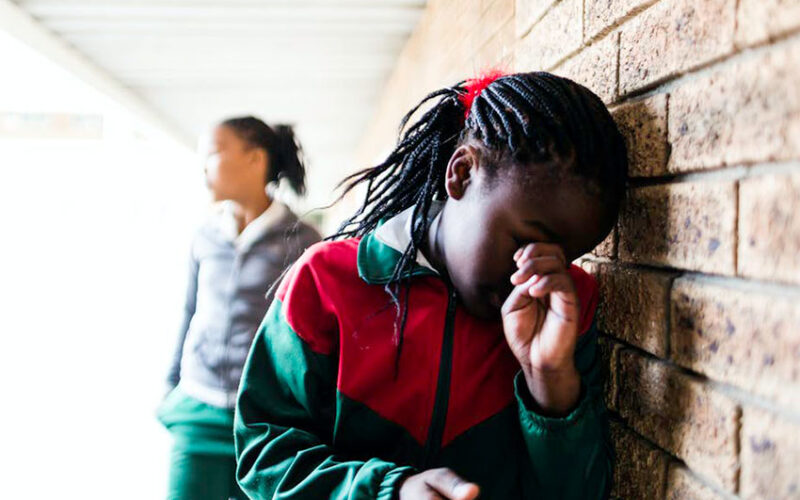
GIRLS experience gender and sexual violence in schools around the world, and South Africa is no exception. Research has shown how learners, and girls in particular, are vulnerable to violence. EMMANUEL MAYEZA, Senior Lecturer, Department of Sociology, University of the Free State DEEVIA BHANA, Professor Gender and Childhood Sexuality, University of KwaZulu-Natal Despite the country’s political response to violence against women and girls, school-going girls struggle with male violence in and out of school. Learners who are victimised at school often show poor academic performance, regular school absenteeism, anxiety and depression, drug and alcohol use, psychological trauma, and dropping out…
Read More
Unravelling the complexities of human trafficking

Unravelling the complexities of human trafficking

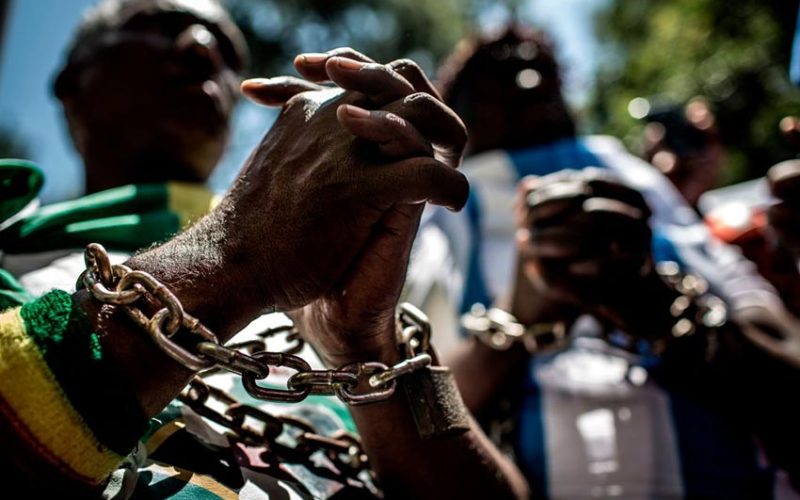
JAN BORNMAN HUMAN trafficking is a topic that never seems far from the public imagination. Regular awareness campaigns ensure it is always included in conversations on fighting crime, and in South Africa, barely a day goes by without someone posting about it on social media.  More often than not, though, people tend to link human trafficking to sex trafficking and, invariably, sex work. But globally and in South Africa, experts have warned that sex work is often conflated with human trafficking and the voices and experiences of sex workers are thus dismissed or excluded.  In a 2020 research report by the Centre…
Read More