Our website use cookies to improve and personalize your experience and to display advertisements (if any). Our website may also include cookies from third parties like Google Adsense, Google Analytics, and Youtube. By using the website, you consent to the use of cookies.

Alphabet’s Loon launches balloon internet service in Kenya

Alphabet’s Loon launches balloon internet service in Kenya

DUNCAN MIRIRI ALPHABET Inc began offering the world's first commercial high-speed internet using balloons to villagers in remote regions of Kenya's Rift Valley on Wednesday. The service is run by Loon, a unit of Google's parent Alphabet, and Telkom Kenya, the East African nation's third largest telecoms operator. "Kenya is the first country... to have base stations high up in the sky. Now we will be able to cover the whole country in a very short span of time," said Information Minister Joe Mucheru after launching the service. The technology has been used before, but not commercially. U.S. telecom operators…
Read More
Solar keeps lights, phones on

Solar keeps lights, phones on

KAGONDU NJAGI WHEN Lucyline Wanja Silas installed a 12-volt solar power unit at her home to help her children study at night, little did she know it would become essential to her and her neighbours in Gakunga village, central Kenya, during the coronavirus pandemic. Wanja, a 48-year-old farmworker, said she had not made any money since the country's lockdown started in March, but the solar photovoltaic (PV) unit she purchased in January means she no longer needs to buy kerosene for lamplight. And she can also help others in her area who are without electricity, either because of faults on power…
Read More
How smart investments in technology can beef up Africa’s economy

How smart investments in technology can beef up Africa’s economy

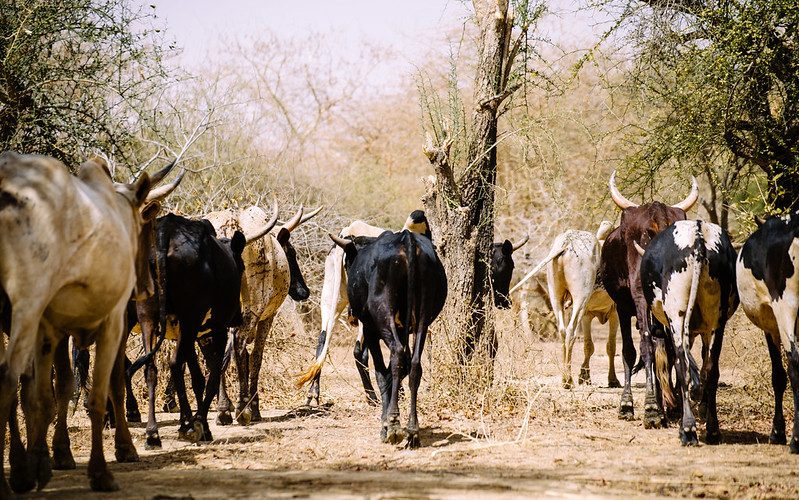
NOBLE BANADDA, Professor and Chair of the Department of Agricultural and Bio Systems Engineering, Makerere University THERE is no shortage of technological innovations designed to boost animal agriculture in Africa. These range from GPS tracking systems which identify and trace pastoralists’ herds to livestock vaccine SMS services that alert farmers to disease outbreaks. But to unlock the economic potential of the sector as demand for meat and milk swells threefold towards 2050, countries must invest in the critical areas that will improve quality across the whole value chain. That is increasing productivity and quality from the breeding of the animal…
Read More
Africa’s research capacity is growing

Africa’s research capacity is growing

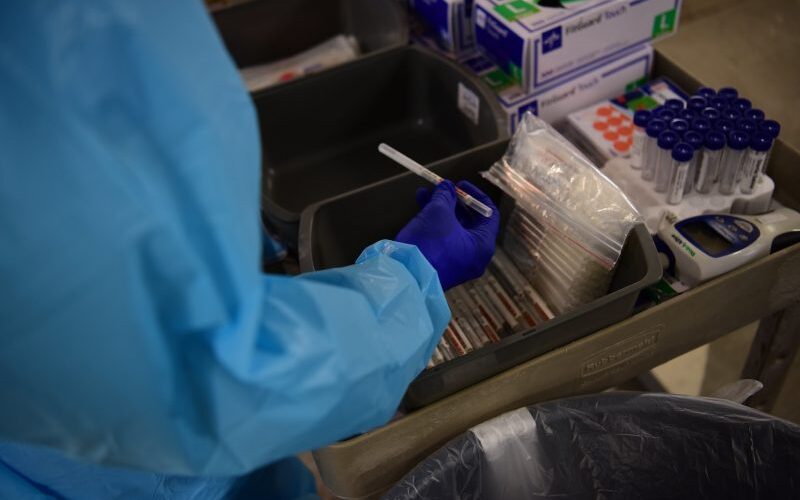
SAM KINYANJUI, Head of Training & Director, IDeAL, KEMRI Wellcome Trust Research Programme SHARON FONN, Professor of Public Health; Co-Director Consortium for Advanced Research Training in Africa; Panel Member, Private Healthcare Market Inquiry, University of the Witwatersrand The COVID-19 pandemic has put global emergency preparedness under sharp scrutiny. It’s also placed national health systems’ capacity to predict and respond to major emergencies under the microscope. Much of the response to the pandemic is focused on testing, case management and control measures such as personal hygiene, quarantine and social distancing. But in most African countries, these measures are not backed by…
Read More
Could genealogy websites help catch aid worker sex abusers

Could genealogy websites help catch aid worker sex abusers

EMMA BATHA TECHNOLOGY that helped catch a U.S. serial murderer, dubbed the Golden State Killer, could be used to track down aid workers who sexually abuse girls and women overseas, according to the team behind a groundbreaking project in the Philippines. In abuse cases which result in pregnancy, scientists say DNA could be taken from the child with the mother's consent and uploaded to a genealogy database to trace the father. The technology has been made possible by the popularity of commercial genealogy services which now hold DNA data on millions of people keen to explore their ancestry. "I'm really…
Read More
How apps on mobile phones are changing Zimbabwe’s talk radio

How apps on mobile phones are changing Zimbabwe’s talk radio

STANLEY TSARWE, Journalism Lecturer, University of Zimbabwe IN Africa, radio still has a wider geographical reach and higher audiences than any other information and communication technology, including television and newspapers. Like the rest of the world, African radio is breaking away from being an analogue communication tool that relies on top down information flows to one that relies on multiple feedback loops. The main driver of this is digital media technologies. It’s a trend I examine in a paper called Mobile Phones and a Million Chatter: Performed Inclusivity and Silenced Voices in Zimbabwean Talk Radio. I wanted to observe what…
Read More
Women step forward in push to nurture African climate scientists

Women step forward in push to nurture African climate scientists

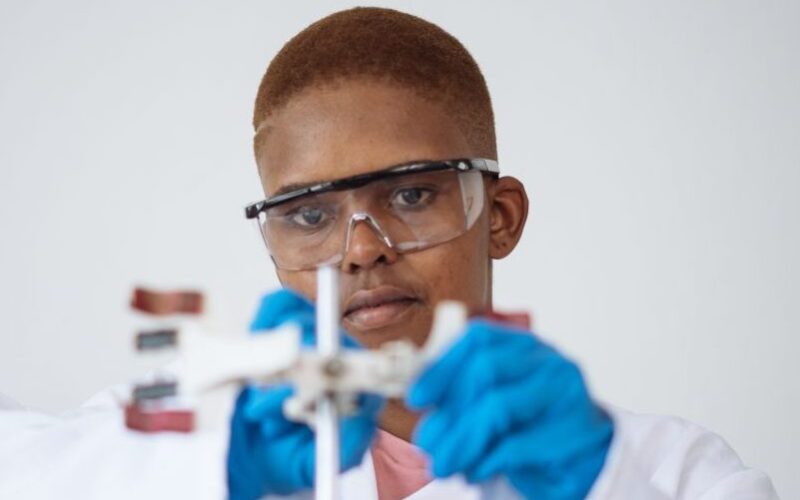
BUSANI BAFANA AS a child, Kenyan meteorologist Saumu Shaka helped out on her parents' small farm growing maize and pigeon pea - and learned how the weather can hold food producers hostage. "Looking back, the yield has declined over the years," said Shaka, 28, who works with the Kenya Meteorological Department. A decade ago, her parents would get 25 sacks of maize from their six hectares in Taita Taveta County, southeast of Nairobi. Today that has dwindled to five bags at most, because of erratic rainfall that can also spur crop-destroying pests. As climate change fuels extreme weather and threatens…
Read More
Technology can help people manage their diabetes – case study shows it’s not being used

Technology can help people manage their diabetes – case study shows it’s not being used

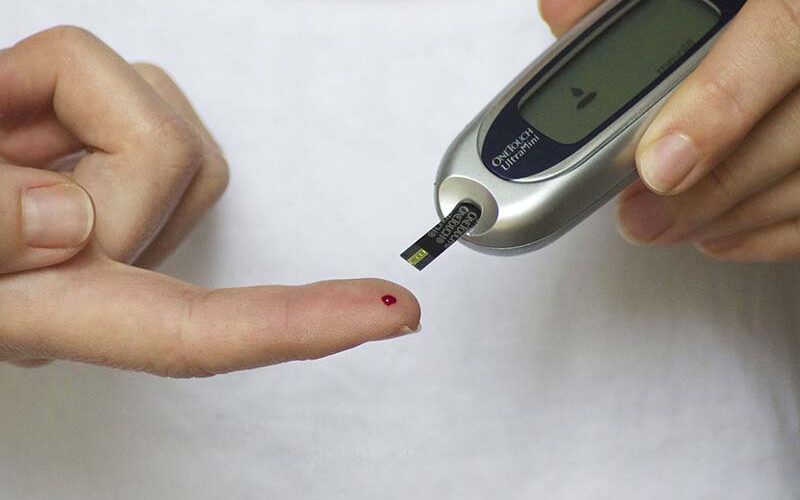
FAZLYN PETERSEN ( PhD), Information Systems Lecturer, University of the Western Cape NON-communicable diseases are the leading cause of death globally. There’s no cure for most of them, such as diabetes. Rather, they’re controlled through lifelong medical treatment as well as support from healthcare professionals and family members. Suboptimal treatment of diabetes can lead to severe complications such as amputations, blindness and kidney disease. That’s why ongoing patient self-management education and support are critical to preventing acute complications and reducing the risk of death. This is increasingly important during the COVID-19 pandemic where the treatment and prevention of noncommunicable diseases…
Read More
Scientists harvest more eggs from near-extinct northern white rhino

Scientists harvest more eggs from near-extinct northern white rhino

NAZANINE MOSHIRI 02SCIENTISTS racing to save the northern white rhino from extinction have harvested 10 more eggs from the last two females alive which they hope will help create viable embryos that can be incubated by other rhinos acting as surrogates. Neither of the remaining northern white rhinos on Earth - a mother and her daughter - can carry a baby to term, so scientists want to implant the embryos into southern white rhinos instead. The last male northern white rhino, named Sudan, died in Kenya's Ol Pejeta Conservancy in 2018. The northern white rhino once wandered through east and…
Read More
Coronavirus: the pandemic is changing our brains –  here are the remedies

Coronavirus: the pandemic is changing our brains – here are the remedies

BARBARA JACQUELYN SAHAKIAN, Professor of Clinical Neuropsychology, University of Cambridge CHRISTELLE LANGLEY, Postdoctoral Research Associate, Cognitive Neuroscience, University of Cambridge DENIZ VATANSEVER, Junior Principal Investigator, Fudan University WHETHER you have contracted COVID-19 or not, your brain is likely to have changed over the past few months. The virus itself can cause a number of neurological problems, along with anxiety and depression. The isolation and worry caused by the pandemic can similarly alter our brain chemistry and cause mood disorders. In our new paper, published in Neuropsychopharmacology Reviews, we have investigated how to best overcome the brain changes linked to the…
Read More