Our website use cookies to improve and personalize your experience and to display advertisements (if any). Our website may also include cookies from third parties like Google Adsense, Google Analytics, and Youtube. By using the website, you consent to the use of cookies.

Cities reboot: Urban life in the age of COVID-19

Cities reboot: Urban life in the age of COVID-19

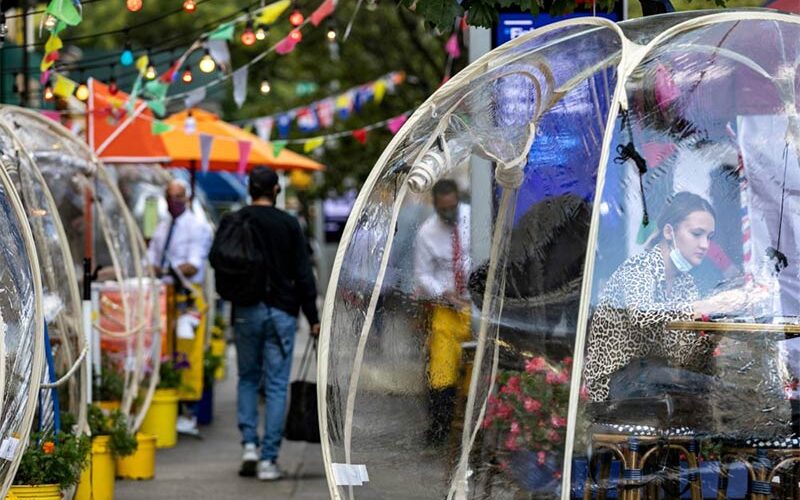
DOWNTOWN is deserted and happy hour is history - the pandemic has upended urban life for billions and futurologists expect a changed cityscape to emerge in the post-viral world. From home to office, park to pub - all corners of city life have undergone some sort of reboot during COVID-19. More than 43 million people have been infected by the virus and the death toll tops 1.1 million, according to a global tally by Johns Hopkins University.  After months in lockdown, second waves of the novel coronavirus have forced new travel curbs and a messy mosaic of lockdown laws from Madrid to Melbourne.    Experts…
Read More
‘Algorithms of oppression’: Big tech urged to combat discrimination

‘Algorithms of oppression’: Big tech urged to combat discrimination

AVI ASHER-SCHAPIRO NEARLY a decade has passed since Safiya Noble googled "Black girls" and found the search results were mostly pornographic - a discovery that drove her to explore how algorithms can perpetuate discrimination and inequality. Google went on to fix that search engine issue, but Noble said the problem is far from solved. Research this year found Google's advertising platform linked the search phrases "Black girls," "Latina girls," and "Asian Girls" to adult content ads. "The Black girl search is the thread on the sweater we are trying to unravel. It's a way into a larger conversation about the future of…
Read More
Why science communication is more important than ever

Why science communication is more important than ever

IT'S a challenging time to be a science communicator. The current pandemic, climate crisis, and concerns over new technologies from artificial intelligence to genetic modification by CRISPR demand public accountability, clear discussion and the ability to disagree in public. TOSS GASCOIGNE, Visiting fellow, Centre for the Public Awareness of Science, Australian National University JOAN LEACH, Professor, Australian National University However, science communication is not new to challenge. The 20th century can be read as a long argument for science communication in the interest of the public good. Since the Second World War, there have been many efforts to negotiate a…
Read More
COVID-19: examining theories for Africa’s low death rates

COVID-19: examining theories for Africa’s low death rates

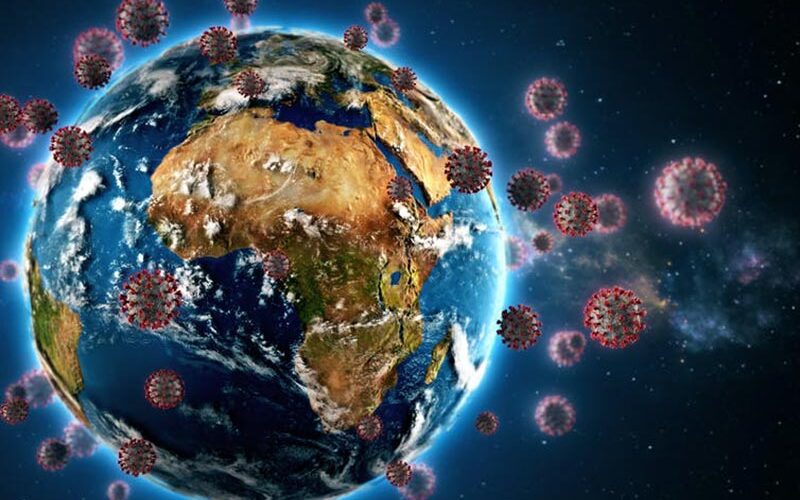
KEVIN MARSH, Professor of Tropical Medicine, University of Oxford MOSES ALOBO, Programme Manager for Grand Challenges Africa, African Academy of Sciences AS the threat of a COVID-19 pandemic emerged earlier this year, many felt a sense of apprehension about what would happen when it reached Africa. Concerns over the combination of overstretched and underfunded health systems and the existing load of infectious and non-infectious diseases often led to it being talked about in apocalyptic terms. However, it has not turned out quite that way. On September 29th, the world passed the one million reported deaths mark (the true figure will…
Read More
Nigerian-Irish teens win international tech prize for dementia app

Nigerian-Irish teens win international tech prize for dementia app

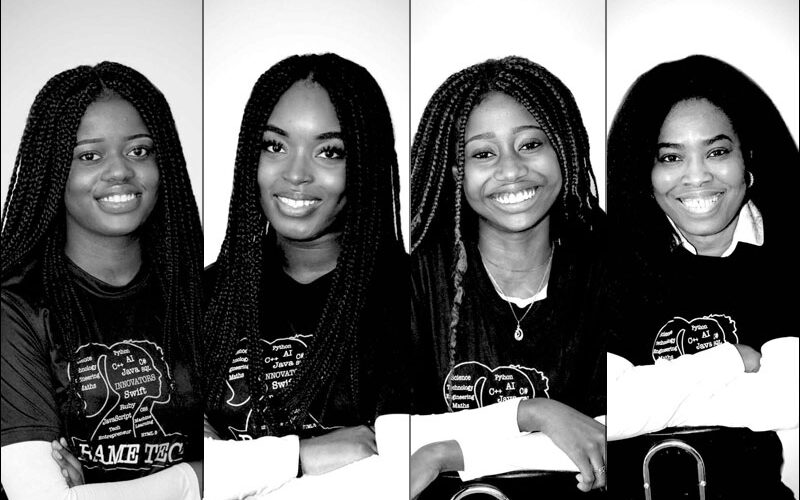
AFRICAN MIRROR REPORTER  THREE  Nigerian-Irish teenagers won an international prize after developing an app, Memory Haven, to help people suffering from dementia. The female developers said they did it all by themselves.  “We are young, ambitious girls starting small but aiming very high,” said 17-year-old Margaret Akano, 16-year-old Rachael Akano and 17-year-old Joy Njekwe.  The teenagers from the eastern Irish town of Drogheda won the Grand Prize in the Technovation Girls Senior Division.  They came first in a competition regrouping 5,400 students from 62 countries. The students created more than 1,500 mobile apps addressing problems ranging from Covid-19 to climate…
Read More
COVID-19 speeds labour shift from humans to robots, WEF survey finds

COVID-19 speeds labour shift from humans to robots, WEF survey finds

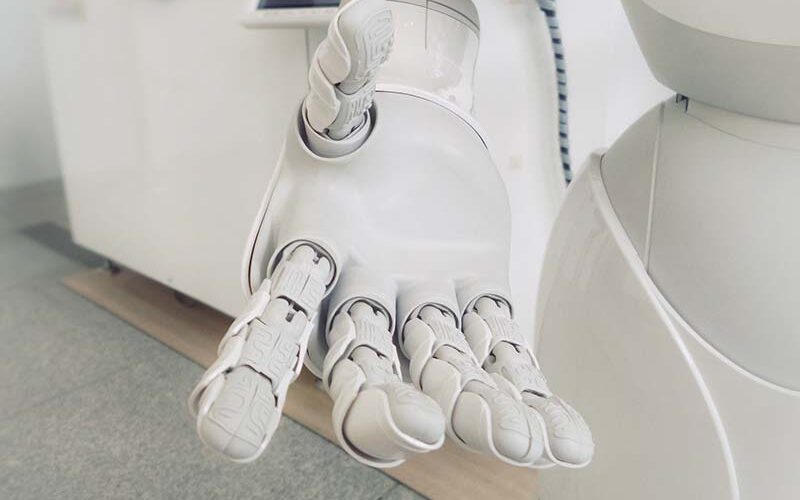
ROBOTS will destroy 85 million jobs at mid-sized to large businesses over the next five years as the COVID-19 pandemic accelerates changes in the workplace likely to exaggerate inequalities, a World Economic Forum (WEF) study has found. Surveys of nearly 300 global companies found four out of five business executives were accelerating plans to digitise work and deploy new technologies, undoing employment gains made since the financial crisis of 2007-8. “COVID-19 has accelerated the arrival of the future of work,” WEF Managing Director Saadia Zahidi said. For workers set to remain in their roles in the next five years, nearly…
Read More
Speedy deeds: Zanzibar goes digital to prove property ownership

Speedy deeds: Zanzibar goes digital to prove property ownership

KIM HARRISBERG A team of Zanzibari data collectors armed with tablets have gathered enough information from hundreds of people on the Tanzanian archipelago to issue each of them a deed to their land in 20 minutes - a process that typically takes up to five years. The project run by Kenya-based technology consulting company Spatial Collective has produced official documentation for about 700 land parcels in a southern town called Shakani since it launched last year. "With title deeds, people can get loans and they will have the security of knowing that, 'This is mine and no one will claim…
Read More
Instagram changes nudity policy after campaign by plus-sized Black model

Instagram changes nudity policy after campaign by plus-sized Black model

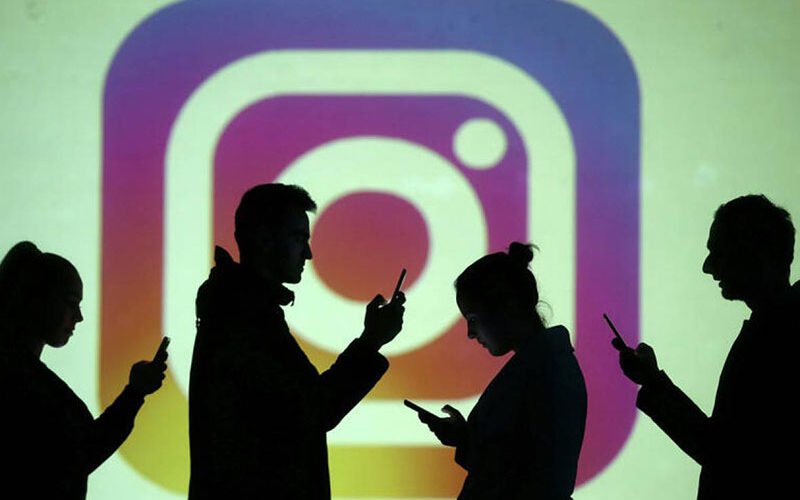
RACHEL SAVAGE Instagram will introduce a new nudity policy this week following a campaign by a Black British plus-sized model, who said the removal of images showing her covering her breasts with her arms betrayed "racial biases" in its algorithm. The photo-sharing app said it would now allow pictures of women holding, cupping or wrapping their arms around their breasts - adjusting previous guidelines that led to the removal of some such images on the grounds they were pornographic. "It may take some time to ensure we're correctly enforcing these new updates, but we're committed to getting this right," an…
Read More
Insights from Morocco into how smartphones support migration

Insights from Morocco into how smartphones support migration

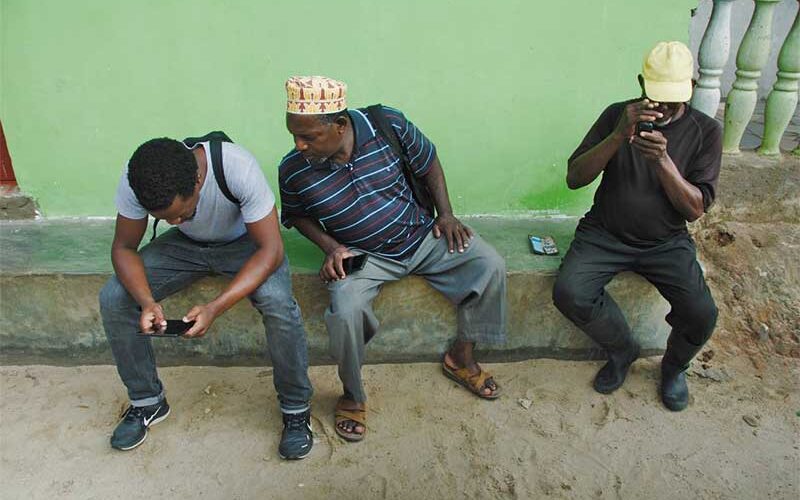
MOHA ENNAJI, Professor, Université Sidi Mohammed Ben Abdellah FOR undocumented migrants and refugees travelling to new countries, accurate information is vital. Because of this, smartphones – mobile phones that perform many of the functions of a computer, like accessing the internet – have become an important tool. They give migrants access to applications such as Google Maps, WhatsApp, Facebook, and Twitter. These can provide them with information from social media and close contacts. In a recent study, my colleague Filippo Bignami and I investigated the role of smartphones in irregular migration. We wanted to know how they helped migrants reach…
Read More
Suited avatars and digital offices: traders and bankers embrace VR

Suited avatars and digital offices: traders and bankers embrace VR

ELIZABETH HOWCROFT and SAIKAT CHATTERJEE ONCE the preserve of gamers, virtual reality (VR) has been seized on by the financial sector as a way of enlivening home working for lonely traders or isolated executives and replicating real-world sales, networking or training events. With 90% of employees at some of the world's biggest financial firms now working at home due to a resurgence in coronavirus infections, more and more companies are experimenting with VR. Some practices could stick beyond the pandemic, particularly as home working becomes more widespread. At investment manager Fidelity International, executives experimented with a VR auditorium, taking questions…
Read More