Our website use cookies to improve and personalize your experience and to display advertisements (if any). Our website may also include cookies from third parties like Google Adsense, Google Analytics, and Youtube. By using the website, you consent to the use of cookies.

Oxford scientists: these are final steps we’re taking to get our coronavirus vaccine approved

Oxford scientists: these are final steps we’re taking to get our coronavirus vaccine approved

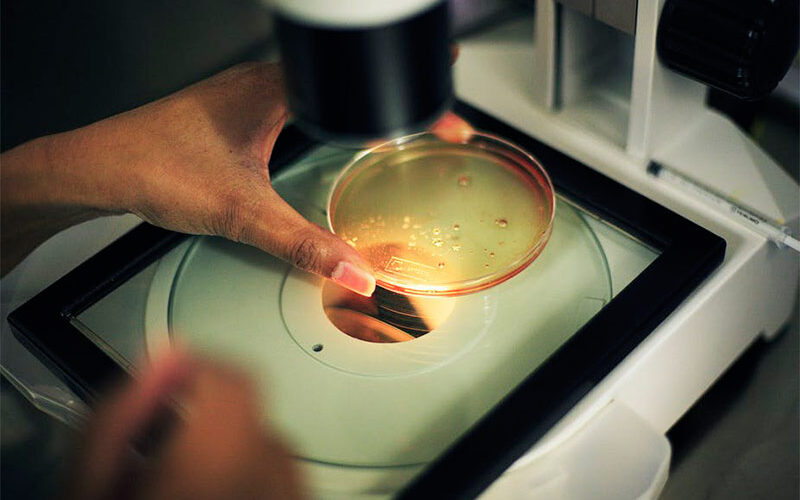
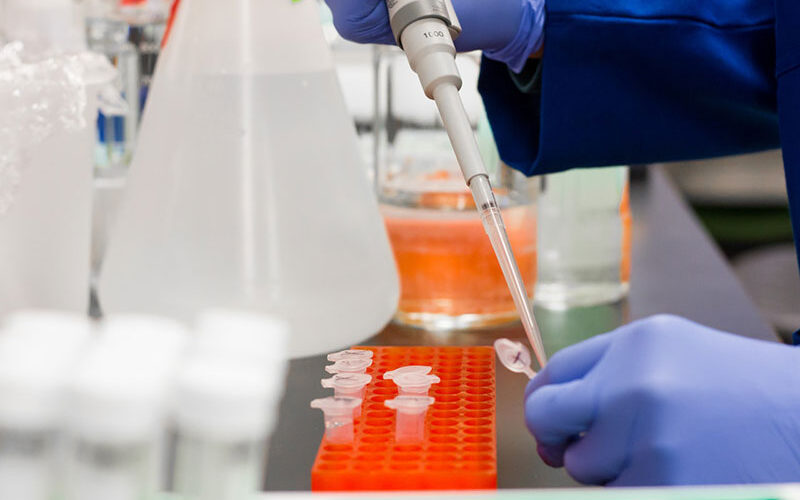
REBECCA ASHFIELD, Senior Project Manager, Jenner Institute, University of Oxford PEDRO FOLEGATTI, Clinical Research Fellow at the Centre for Clinical Vaccinology and Tropical Medicine, Jenner Institute, and PhD Candidate in Clinical Medicine, University of Oxford OF the hundreds of potential COVID-19 vaccines in development, six are in the final stages of testing, known as phase 3 clinical trials. One of these – ChAdOx1 nCoV-19 – is the vaccine we’re developing at the University of Oxford. To be approved, vaccines need to go through multiple rounds of testing to show that they’re safe and effective. A combined phase 1 and phase…
Read More
What archaeology tells us about the music and sounds made by Africa’s ancestors

What archaeology tells us about the music and sounds made by Africa’s ancestors

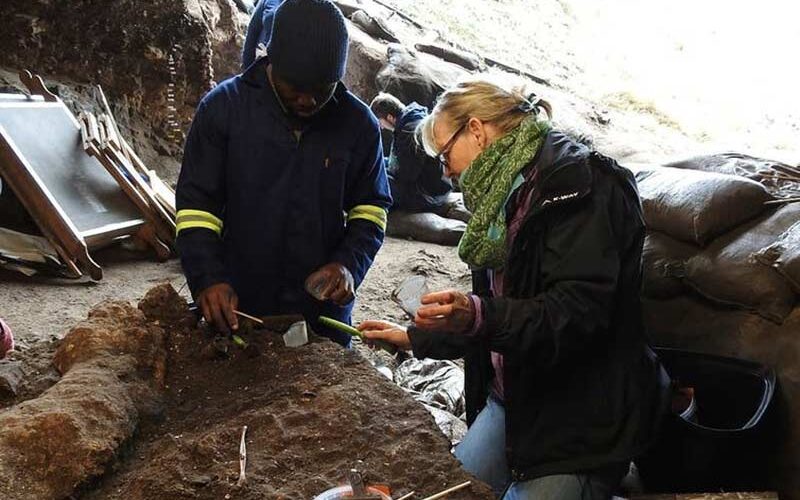
JOSHUA KUMBANI, PhD Candidate, University of the Witwatersrand MUSIC has been part and parcel of humanity for a long time. Not every sound is musical, but sound has meaning and sometimes the meaning of sound is specific to its context. But when it comes to archaeology there is scant evidence of music or sound producing artefacts from southern Africa. This is because of poor preservation of the mostly organic materials that were used to manufacture musical instruments. Rock art offers depictions of musical instruments as well as scenes of dancing that can be linked with music performance, but here only…
Read More
Technology used deliver goods to township households and spaza shops

Technology used deliver goods to township households and spaza shops

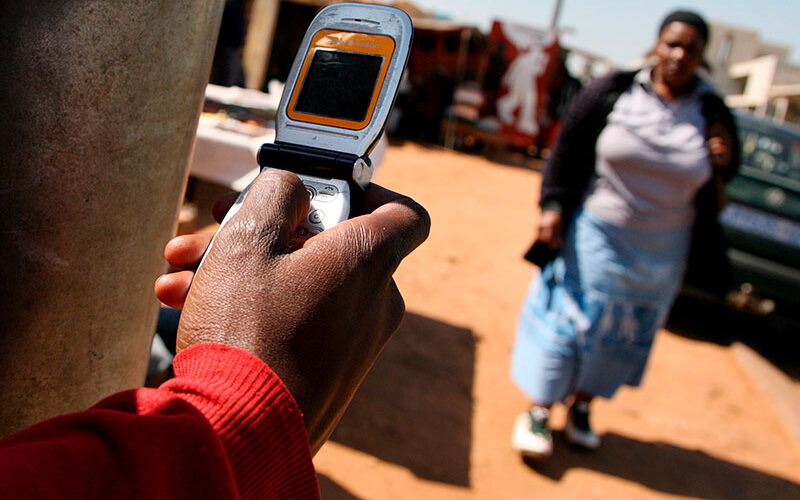
AFRICAN MIRROR REPORTER A new cell phone app uses the power of minibus taxis to deliver goods to South Africa’s township households and spaza shops Vuyo Radebe, director of Yethu Yethu is a new app that allows people in areas not serviced by traditional delivery services, to order groceries and have them delivered to their door, by a mini-bus taxi. Last week Yethu successfully rolled out their pilot in Soweto, with almost 2000 customers engaging with the service, 7000 taxis available across the taxi associations as well as securing strategic partnerships with Pick n Pay, FutureLife and Tyme Bank.  Yethu…
Read More
Neanderthal genes linked to severe COVID-19; Mosquitoes cannot transmit the coronavirus

Neanderthal genes linked to severe COVID-19; Mosquitoes cannot transmit the coronavirus

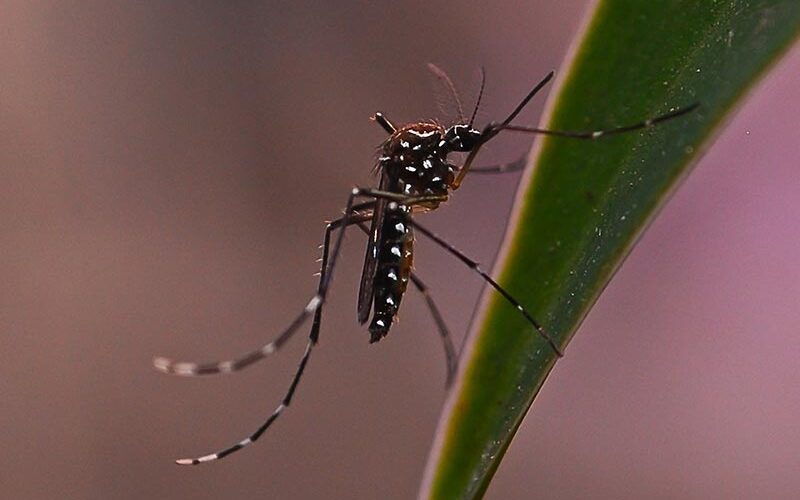
NANCY LAPID  THE following is a roundup of some of the latest scientific studies on the novel coronavirus and efforts to find treatments and vaccines for COVID-19, the illness caused by the virus. Neanderthal genes linked with severe COVID-19 A group of genes passed down from extinct human cousins is linked with a higher risk for severe COVID-19, researchers say. When they compared the genetic profiles of about 3,200 hospitalized COVID-19 patients and nearly 900,000 people from the general population, they found that a cluster of genes on chromosome 3 inherited from Neanderthals who lived more than 50,000 years ago…
Read More
Digital democracy is still a long way off in Africa:  it takes more than technology

Digital democracy is still a long way off in Africa: it takes more than technology

NIC CHEESEMAN, Professor of Democracy, University of Birmingham LISA GARBE, Doctoral Researcher, University of St.Gallen FROM the mid-2000s onwards, the digital revolution raised hopes of democratic transformation and strengthening in Africa. But it hasn’t quite turned out like that. Now, almost a decade after the “Arab Spring”, techno-optimism has given way to techno-pessimism. African leaders have proved able to blunt the transformative potential of smart phones through censorship and internet shutdowns. When the internet is on, social media attracts more attention for spreading fake news than preventing election rigging. What was once thought of as “liberation technology” has turned out…
Read More
Young female African innovates facial recognition technology and bags Royal Academy prize

Young female African innovates facial recognition technology and bags Royal Academy prize

ZEENAT HANSROD with RFI A 26-year-old Ivorian tech entrepreneur won the UK's Royal Academy of Engineering’s prestigious 2020 Africa Prize for Engineering Innovation. Charlette N’Guessan and her team developed a facial recognition software designed to identify black Africans.ADVERTISING Charlette N’Guessan - the CEO of her own company, BACE group, based in Ghana - is the first ever woman to win the Africa Prize. The 26-year-old N’Guessan and her “Pan African team” developed BACE API, a software that uses facial recognition and artificial intelligence to verify identities remotely and in real time. The software has been developed specifically to identify Africans.…
Read More
Tech-savvy women could beat COVID-19 job blues in the Arab world

Tech-savvy women could beat COVID-19 job blues in the Arab world

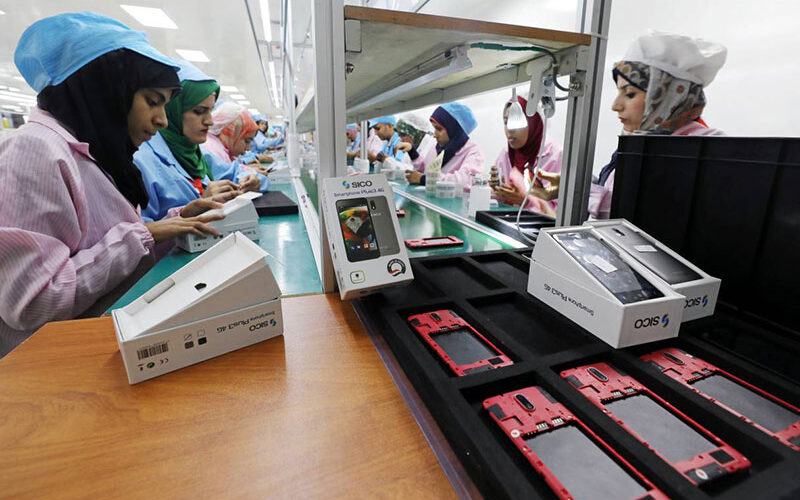
BAN BARKAWI AS COVID-19 swells the ranks of unemployed women in the Arab world, surging demand for digital skills could help many of them find work in a region where only one in four women has a job. The pandemic has taken an especially heavy toll on retail, tourism and hospitality jobs traditionally held by women, but experts say those able to retrain could tap into growth areas like digital marketing, e-commerce and online customer support. "This is a tremendous opportunity. These are areas where you can reskill someone relatively quickly," said Jasmine di Florio, senior vice president at Education…
Read More
Study sheds light on what it takes for women to succeed – or not – in science in Africa

Study sheds light on what it takes for women to succeed – or not – in science in Africa

ALLEN MUYAAMA MUKHWANA, Research Systems Manager , African Academy of Sciences JUDY OMUMBO, Senior Programme Manager, Postdoctoral Programmes, African Academy of Sciences WOMEN are 49.6% of the world’s population. An estimated 70% of the health and social care workforce are women; they deliver care to around 5 billion people. Women are also at the front-line of the battle against the COVID-19 pandemic – as health caregivers, researchers, scientists and policymakers. There is a well recognised gender disparity in science, technology, engineering and mathematics. This prompted the Alliance for Accelerating Excellence in Science in Africa) to conduct a study on factors…
Read More
Top five takeaways from Apple’s iPhone launch event

Top five takeaways from Apple’s iPhone launch event

APPLE  Inc has announced four new iPhones that can tap 5G wireless data networks and a cheaper smart speaker that will compete with offerings from market leaders Amazon and Google. In a bid to line up new hardware for the upcoming holiday season, Apple last month launched new smart watch models with blood oxygen sensors and updated its iPad range. The Cupertino, California-based company's Tuesday launch included smartphones ranging from $699 to $1,399 with new designs and 5G technology. Here are five key announcements from the event: 5G IN ALL THINGS Apple said all four new iPhone models in the…
Read More
Creators of gene ‘scissors’ clinch Nobel as women sweep chemistry

Creators of gene ‘scissors’ clinch Nobel as women sweep chemistry

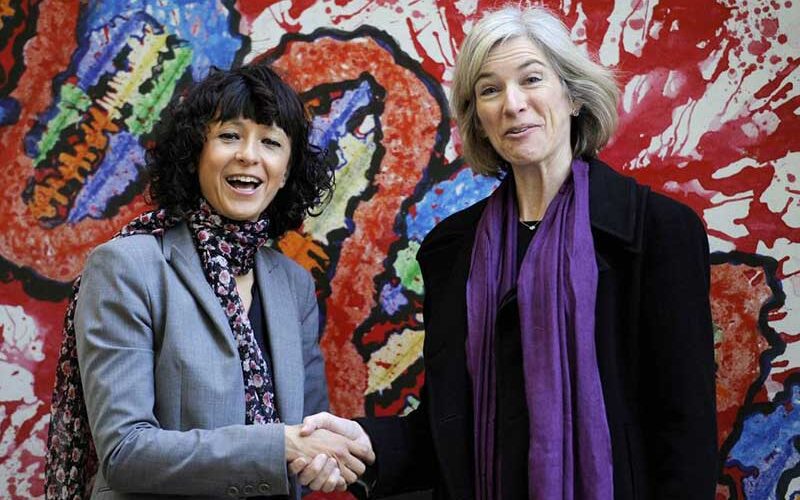
NIKLAS POLLARD and DOUGLAS BUSVINE TWO scientists won the 2020 Nobel Prize in Chemistry on Wednesday for creating genetic 'scissors' that can rewrite the code of life, contributing to new cancer therapies and holding out the prospect of curing hereditary diseases. Emmanuelle Charpentier, who is French, and American Jennifer Doudna share the 10 million Swedish crown ($1.1 million) prize for developing the CRISPR/Cas9 tool to edit the DNA of animals, plants and microorganisms with precision. "The ability to cut the DNA where you want has revolutionized the life sciences," Pernilla Wittung Stafshede of the Swedish Academy of Sciences told an…
Read More