Our website use cookies to improve and personalize your experience and to display advertisements (if any). Our website may also include cookies from third parties like Google Adsense, Google Analytics, and Youtube. By using the website, you consent to the use of cookies.

Land reform in South Africa: how new landholders could prosper from wildlife and not just farming

Land reform in South Africa: how new landholders could prosper from wildlife and not just farming

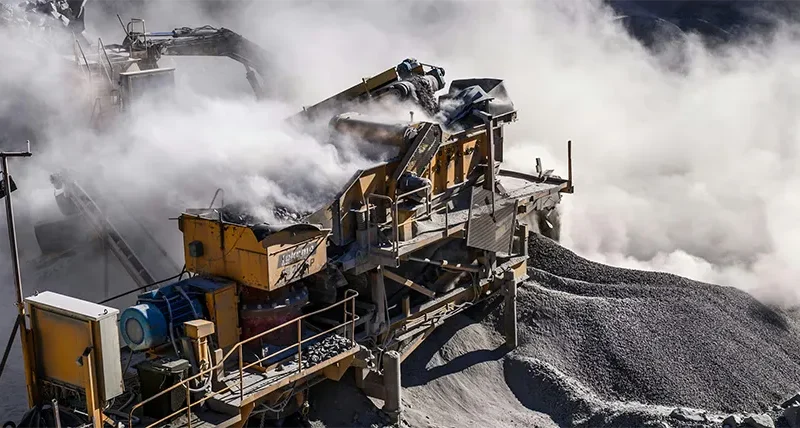
SOUTH Africa has a thriving wildlife economy – enterprises like trophy and meat hunting, ecotourism, live wildlife sales and game meat production. Over the past few decades, private (predominantly white) farmers have converted millions of hectares once reserved for livestock into game ranches. These enterprises generate profits and jobs while maintaining natural vegetation and conserving indigenous large mammals. Government policy considers the sector key to integrating conservation with rural development. The national 2024 strategy is to grow “sustainable and inclusive eco-tourism-based businesses by 10%” every year. It is also projected that the GDP contribution of game meat will increase from…
Read More
Political policing in Museveni’s Uganda: what it means for the 2026 elections

Political policing in Museveni’s Uganda: what it means for the 2026 elections

UGANDA’S police have long faced criticism for politically charged interventions. These include episodes in which lethal force has been used in ways that observers describe as excessive or indiscriminate. The main targets of restrictive or coercive tactics are supporters of the political opposition. For example, in November 2020, weeks before the 2021 elections, protests at the arrest of the main opposition candidate escalated into nationwide unrest. More than 100 people died. Under President Yoweri Museveni – in power since 1986 – the police have become a central pillar of the ruling party, the National Resistance Movement. In the campaigns for…
Read More
Kenya’s ‘night running’: how a rural ritual with links to witchcraft became an urban staple

Kenya’s ‘night running’: how a rural ritual with links to witchcraft became an urban staple

IN parts of Kenya, Uganda and Tanzania, it is not uncommon to hear of individuals who run naked at night. They cause trouble and instil fear in the neighbourhood. They throw stones on rooftops, make animal noises, bang on windows and doors, and chase night travellers. In Kenya, the practice is called night running, or night dancing in parts of Tanzania and Uganda. It is claimed to be a form of spiritual possession in the communities where it is rampant. Night runners are largely left to their own devices, but there is a sense of stigma attached to the practice.…
Read More
A new way forward is needed for Somalia

A new way forward is needed for Somalia

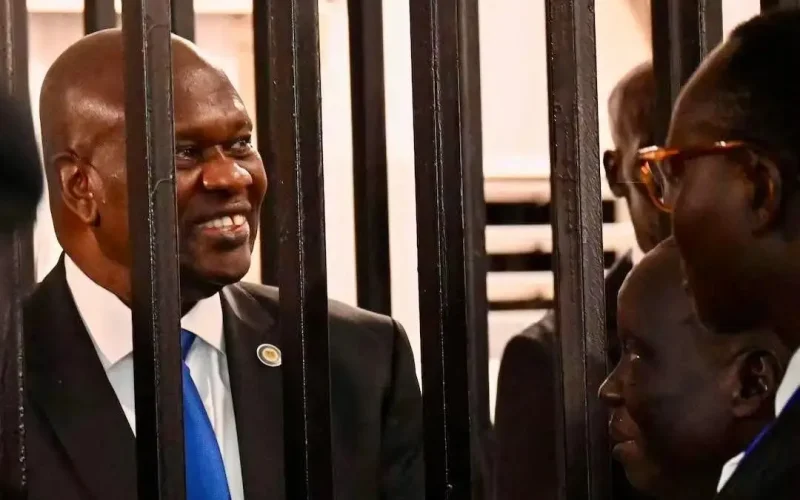
SOMALIA is at a defining moment. Decades of investment in state-building are threatened by a fragmented political landscape, underfunding of the African Union’s military shield, and a humanitarian system running on fumes. The future of the AU’s peace enforcement mission is a particular worry. The almost two-decade deployment was supposed to transition to Somali ownership of its security future. But recent gains by the insurgent group al-Shabab have exposed a troubling lack of readiness. On 1 January 2025, the AU troops were rehatted as the AU Support and Stabilisation Mission in Somalia (AUSSOM). But the new designation carries the same…
Read More
Sudan’s civil war: A visual guide to the brutal conflict

Sudan’s civil war: A visual guide to the brutal conflict

SUDAN’S brutal civil war has dragged on for more than 2½ years, displacing millions and killing in excess of 150,000 people – making it among the most deadly conflicts in the world today. As of December 2025, the paramilitary Rapid Support Forces appear to be making gains, seizing a key oil field in central Sudan and forcing the retreat of the Sudanese Armed Forces in key cities in the country’s west. But fighting has ebbed and flowed throughout the war, with parts of the country changing hands a number of times. It has left a complicated picture of a nation…
Read More
Malawi’s new government faces its first test, a nationwide state of disaster

Malawi’s new government faces its first test, a nationwide state of disaster

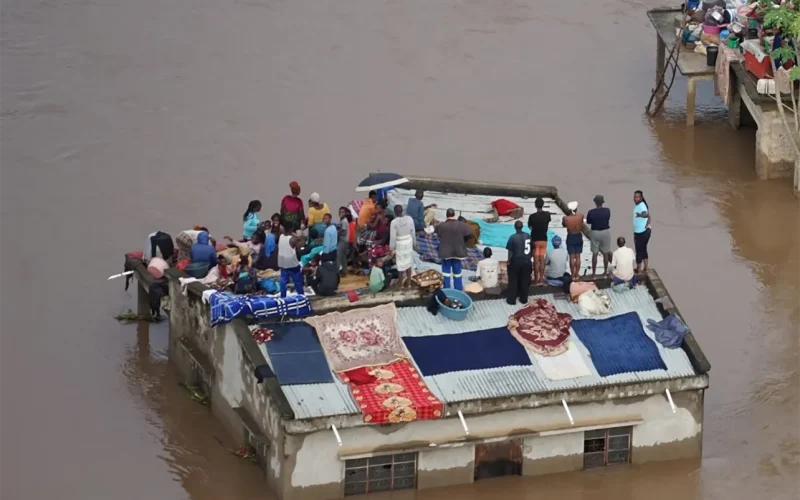
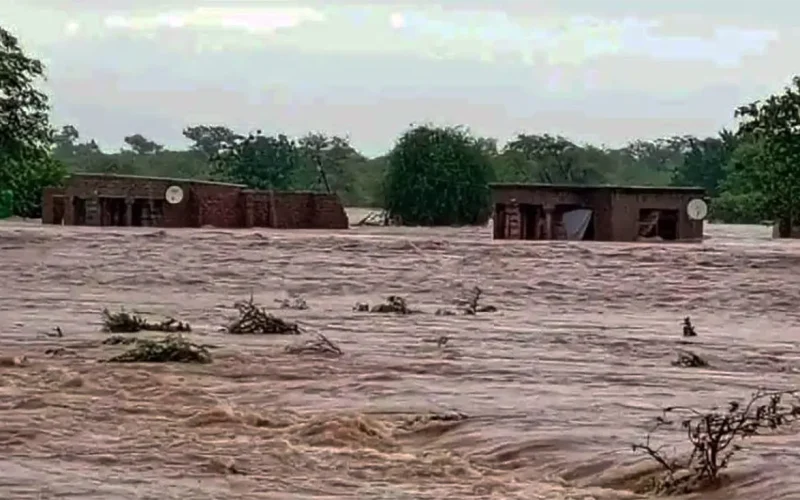
JUSTa few months into his new term, President Peter Mutharika is grappling with a triple crisis – a deep-seated food emergency, diminishing aid, and soaring debt. With over four million Malawians – 22% of the population – facing the threat of acute malnutrition until the next harvest in March, Mutharika last month declared a nationwide state of disaster. But the $119 million humanitarian response is underfunded. Although crucial to staving off the risk of hunger-related deaths, it has so far raised only $26 million from Malawi’s aid partners – roughly 21% of the amount required. The trigger for Malawi’s food…
Read More
Kidnapping for ransom in the Sahel: analysis of 24 years of data shows a new trend

Kidnapping for ransom in the Sahel: analysis of 24 years of data shows a new trend

KIDNAPPING for ransom has a long history in the West African Sahel. In 1979, a rebel group led by Chad’s future president, Hissène Habré, kidnapped a French archaeologist and a German medical doctor in the north of the country. The kidnappers asked for the release of political prisoners, among other demands. Over the decades, kidnapping became an industry in the Sahel. Governments were willing to pay financial and political ransoms even if they denied it publicly. This industry fuelled the expansion of jihadist groups from Algeria to the Sahel (south of the Sahara) between the early 2000s and mid-2010s. The…
Read More
Thiaroye massacre: report on the French killing of Senegalese troops in 1944 exposes a painful history

Thiaroye massacre: report on the French killing of Senegalese troops in 1944 exposes a painful history

THE Thiaroye camp near Dakar was a Senegalese army barracks housing African soldiers called “tirailleurs sénégalais” (Senegalese riflemen). It welcomed men returning from the European front of the Second World War, where the riflemen had been held as German prisoners of war while serving on the side of France. They were waiting for their long-overdue back pay and bonuses. But at dawn on 1 December 1944, they were shot by their own French officers. What should have been a time of celebration became a bloodbath. France sought to downplay or deny the massacre for many years. In 2024, ahead of…
Read More
Africa’s power grabs are rising – the AU’s mixed response is making things worse

Africa’s power grabs are rising – the AU’s mixed response is making things worse

HARDLY a month goes by without news of another unconstitutional change of government on the African continent. These can take one of three forms. The first is a military coup d’état or violent change of (democratically) elected government. The second is the refusal of an incumbent government to relinquish power after losing an election. And finally, manipulating constitutions to win or extend the term limits of an incumbent government. We study peace and conflict in Africa, as well as African Union law. We set out these three categories in a paper we published in 2023. In it, we analysed unconstitutional…
Read More
Nigeria has jailed Biafra separatist leader Nnamdi Kanu: why it risks backfiring

Nigeria has jailed Biafra separatist leader Nnamdi Kanu: why it risks backfiring

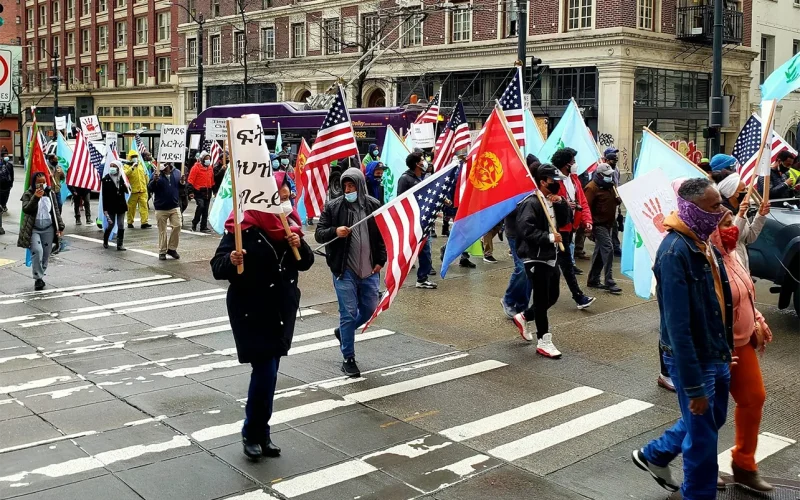
THE terrorism conviction and life sentence handed down by the Federal High Court in Abuja on Nnamdi Kanu, leader of the Indigenous People of Biafra, brings an end to a ten-year legal battle. But it opens up a larger political and security question for Nigeria. Kanu has long championed the secession of Nigeria’s south-east region, a demand the Nigerian constitution forbids. The last major attempt at secession, in 1967, triggered a 30-month civil war that killed over one million people, mostly Igbo civilians. Kanu’s campaign for Biafra as an independent Igbo state is rooted in decades of perceived political marginalisation…
Read More