Our website use cookies to improve and personalize your experience and to display advertisements (if any). Our website may also include cookies from third parties like Google Adsense, Google Analytics, and Youtube. By using the website, you consent to the use of cookies.

4 things every peace agreement needs – and how the DRC-Rwanda deal measures up

4 things every peace agreement needs – and how the DRC-Rwanda deal measures up

THE governments of the Democratic Republic of the Congo (DRC) and Rwanda concluded a peace treaty in June 2025, aimed at ending a decades-long war in eastern DRC. The United Nations welcomed the agreement as “a significant step towards de-escalation, peace and stability” in the region. I have analysed several different peace negotiations and agreements. It’s important to distinguish between what’s needed to get warring parties to the table and what’s eventually agreed on. In this article, I examine whether the DRC-Rwanda deal has the four essential components that usually signal that an agreement will hold. Two broad points about…
Read More
Lagos is young and diverse, so what shapes ethnic and religious prejudice among teens? Our study tried to find out

Lagos is young and diverse, so what shapes ethnic and religious prejudice among teens? Our study tried to find out

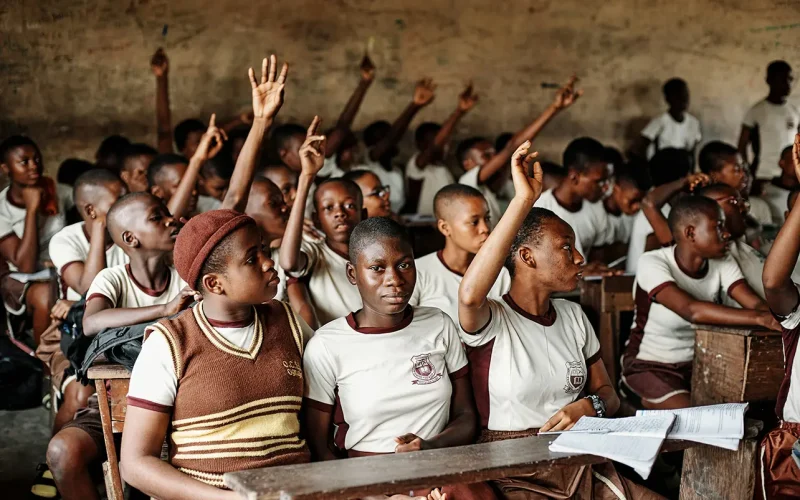
LAGOS State, with an estimated population of 20 million, is Africa’s largest metropolis. Home to Nigeria’s commercial capital, it is a magnet for internal migration, drawing in a mix of the country’s ethnic groups. Nigeria is estimated to have between 150 and 500 distinct ethnic groups, many of which are represented in Lagos. The original inhabitants of Lagos were Yoruba. As the colonial capital, the city experienced early migration from the Igbo group from the southeast. The Hausa-Fulani, from the north, are another important group to have been drawn to Lagos. More recent migration to the city has also been…
Read More
Nigeria’s Maroko eviction remembered: a brutal legacy lives on

Nigeria’s Maroko eviction remembered: a brutal legacy lives on

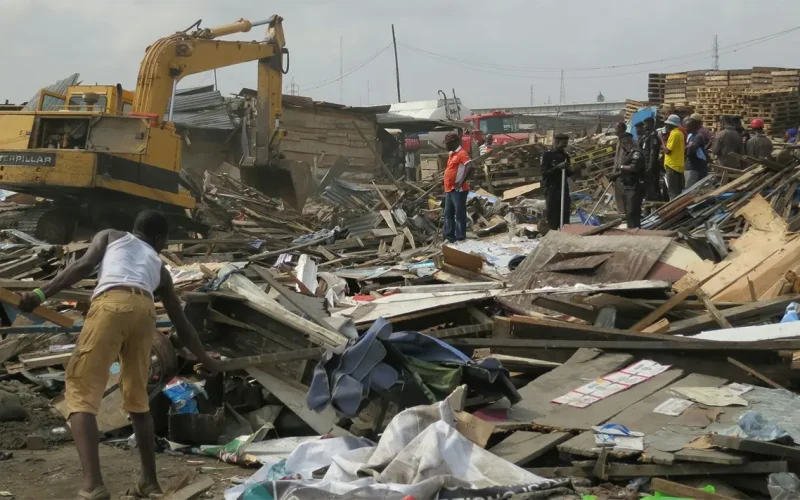
THIRTY-FIVE years ago in mid-July, bulldozers demolished the homes, hopes and aspirations of over 300,000 people in the low-income community of Maroko, in Lagos, Nigeria. This remains Nigeria’s biggest forced eviction to date – the complete annihilation of about 30 neighbourhoods at one time. The evictions were framed as an attempt to improve people’s living conditions and minimise exposure to flooding. But hundreds of thousands of people were left homeless. A new film, Displaced – A City’s Scars, documents how communities in Lagos have suffered a century of evictions, which continue today through a new wave of gentrification. https://www.youtube.com/embed/p5geHFBI4_4 The…
Read More
Alcohol and colonialism: the curious story of the Bulawayo beer gardens

Alcohol and colonialism: the curious story of the Bulawayo beer gardens

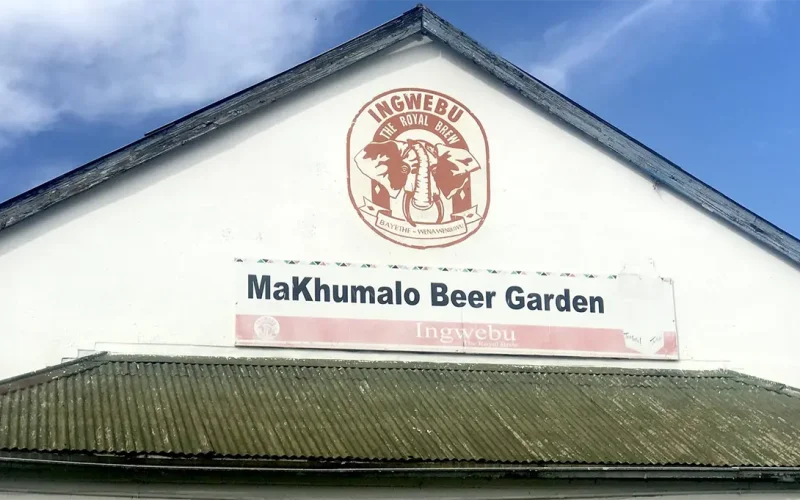
KONTUTHU Ziyathunqa – Smoke Rising – was what they used to call Bulawayo when the city was the industrial powerhouse of Zimbabwe. Now, many of its factories lie dormant or derelict. The daily torrent of workers flowing eastward at dawn and back out to the high-density western suburbs at dusk has diminished to a trickle. But there is an intriguing industrial-era institution that lives on in most of the older western suburbs (formerly called townships). It is the municipal beer hall or beer garden, built in the colonial days for the racially segregated African worker communities. There are dozens of…
Read More
Ruth First and activist research: the legacy of a South African freedom fighter

Ruth First and activist research: the legacy of a South African freedom fighter

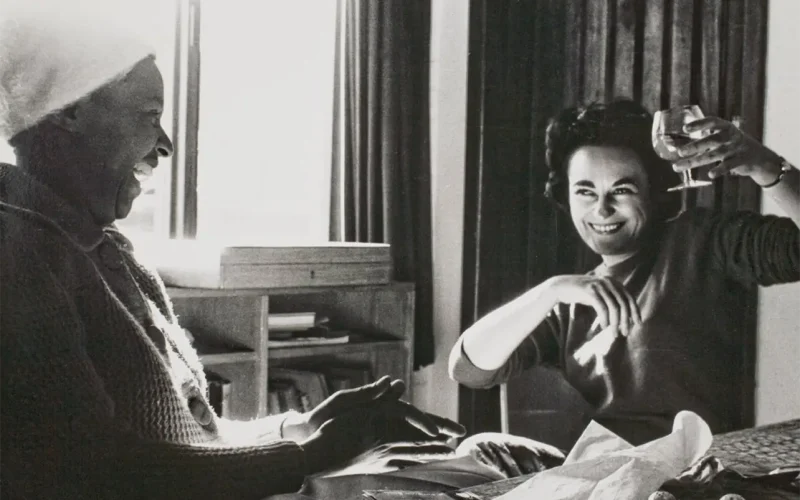
RUTH First, born 100 years ago, was a South African freedom fighter, journalist and scholar who worked against the racist system of apartheid during white minority rule. She was assassinated by apartheid forces in her office at the Eduardo Mondlane University in Mozambique in 1982. Her ideas, work and legacy live on. Sociologists Saleem Badat and Vasu Reddy have edited a new book called Research and Activism: Ruth First & Activist Research. We asked them about her and their project. Who was Ruth First? Heloise Ruth First was born on 4 May 1925 in Johannesburg to Jewish parents who had…
Read More
Uganda’s ride-hailing motorbike service promised safety – but drivers are under pressure to speed

Uganda’s ride-hailing motorbike service promised safety – but drivers are under pressure to speed

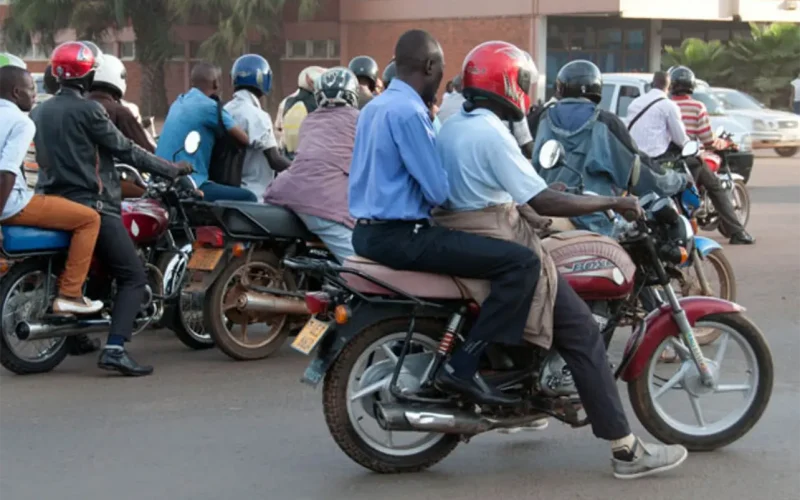
MOTORCYCLE-TAXIS are one of the fastest and most convenient ways to get around Uganda’s congested capital, Kampala. But they are also the most dangerous. Though they account for one-third of public transport trips taking place within the city, police reports suggest motorcycles were involved in 80% of all road-crash deaths registered in Kampala in 2023. Promising to solve the safety problem while also improving the livelihoods of moto-taxi workers, digital ride-hail platforms emerged a decade ago on the city’s streets. It is no coincidence that Uganda’s ride-hailing pioneer and long-time market leader goes by the name of SafeBoda. Conceived in…
Read More
To save northern Cameroon’s wildlife, you need to secure the people first

To save northern Cameroon’s wildlife, you need to secure the people first

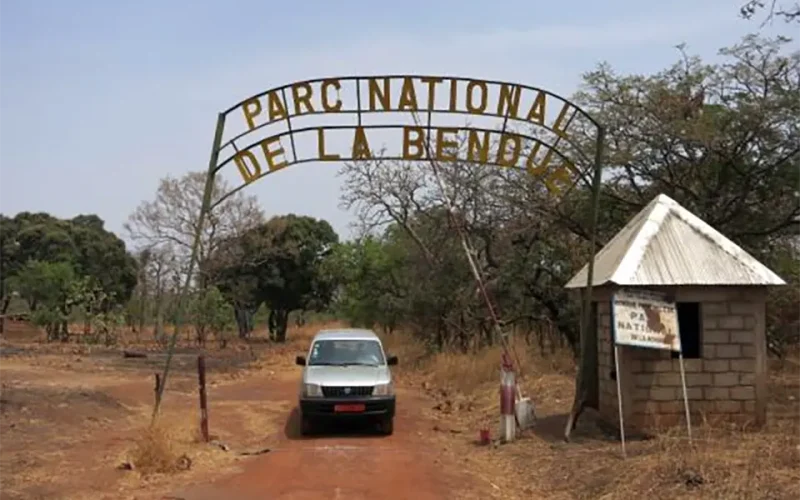
This story was originally published by The New Humanitarian.By Fergus O’Leary Simpson NORTHERN Cameroon is facing a crisis that epitomises the interconnected challenges of our time: climate change, armed conflict, and environmental degradation. This combined threat has forced hundreds of thousands of people to flee the semi-arid Far North Region for more fertile savannas further south. With little available land, many people have settled in the vast network of protected areas in the North Region – lands set aside by the state to conserve flora and fauna. In response, a coalition of international NGOs is working with the Cameroonian government…
Read More
The right to water is out of reach for many South Africans: case study offers solutions

The right to water is out of reach for many South Africans: case study offers solutions

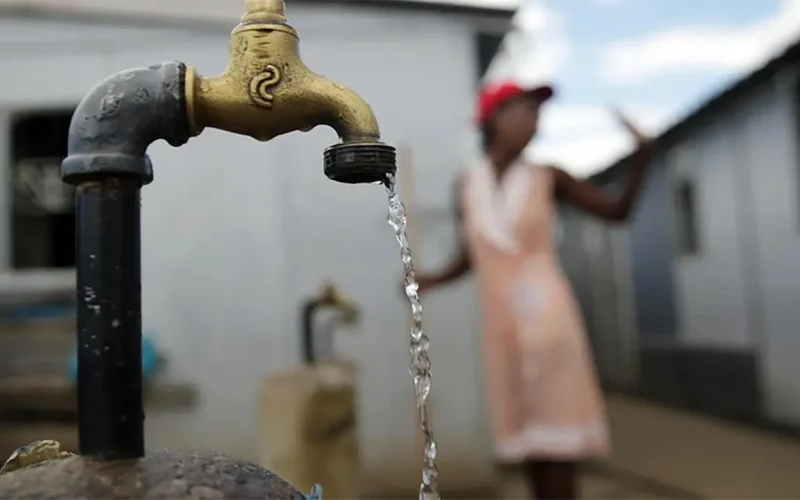
SOUTH Africa’s constitution says “everyone has the right to have access to sufficient food and water”. In reality, however, this right is not enjoyed by all. Many places experience regular water shortages or cut-offs. Some people struggle to access water for drinking, household use and commercial use (mines, factories and agriculture). In many places, tap water is of poor quality, with dangerous waterborne illnesses, such as cholera, typhoid fever and diarrhoeal diseases resulting. Water protests and dehydration are commonplace. As a researcher who studies equitable economies, water services and education, I set out to identify the problems that have caused…
Read More
Presidents of both parties have launched military action without Congress declaring war − Trump’s bombing of Iran is just the latest

Presidents of both parties have launched military action without Congress declaring war − Trump’s bombing of Iran is just the latest

IN the wake of the U.S. strikes on Iranian nuclear facilities on June 22, 2025, many congressional Democrats and a few Republicans have objected to President Donald Trump’s failure to seek congressional approval before conducting military operations. They note that Article 1 of the U.S. Constitution gives Congress the power to declare war and says that section requires Trump to seek prior authorisation for military action. The Trump administration disagrees. “This is not a war against Iran,” Secretary of State Marco Rubio told Fox News host Maria Bartiromo, implying that the action did not require approval by Congress. That’s the…
Read More
What happens when aid is cut to a large refugee camp? Kenyan study paints a bleak picture

What happens when aid is cut to a large refugee camp? Kenyan study paints a bleak picture

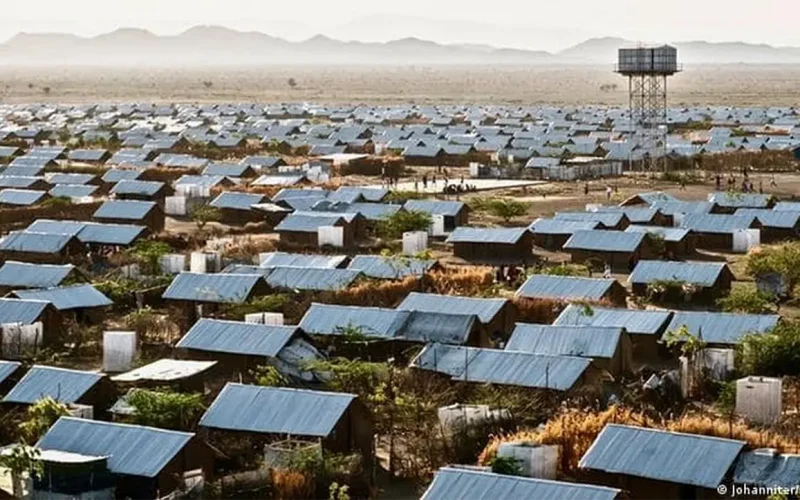
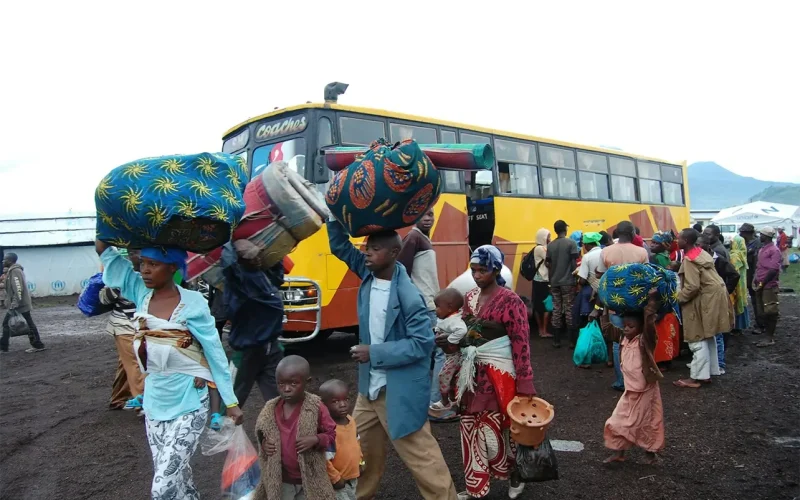
HUMANITARIAN needs are rising around the world. At the same time, major donors such as the US and the UK are pulling back support, placing increasing strain on already overstretched aid systems. Global humanitarian needs have quadrupled since 2015, driven by new conflicts in Sudan, Ukraine and Gaza. Added to these are protracted crises in Yemen, Somalia, South Sudan, and DR Congo, among others. Yet donor funding has failed to keep pace, covering less than half of the requested US$50 billion in 2024, leaving millions without assistance. Notably, the US recently slashed billions of US dollars from global relief efforts.…
Read More