Our website use cookies to improve and personalize your experience and to display advertisements (if any). Our website may also include cookies from third parties like Google Adsense, Google Analytics, and Youtube. By using the website, you consent to the use of cookies.

Nigeria’s chronic power shortages: mini-grids were going to crack the problem for rural people, but they haven’t. Here’s why

Nigeria’s chronic power shortages: mini-grids were going to crack the problem for rural people, but they haven’t. Here’s why

ELECTRICITY is a scarce commodity in Nigeria. With just over 4,000 megawatts supplying nearly 220 million people, the electricity access deficit stands at about 40% nationwide. The picture looks even darker in rural areas. There, 73% of the population is off the power grid. Rural electrification is crucial to achieving Sustainable Development Goal 7: “access to affordable, reliable, sustainable and modern energy for all.” Enter mini-grids: community-scale electricity generation and distribution systems, typically under 100 kilowatts in size. Mini-grids have emerged in the last decade as a cost-effective solution for many rural parts of Africa. According to one estimate, the…
Read More
Wildfires in South Africa are set to increase: how legal action can help the country adapt better to climate change

Wildfires in South Africa are set to increase: how legal action can help the country adapt better to climate change

AS climate change drives temperature increases and lower precipitation in southern Africa, research has found that there is likely to be an increase in the number of wildfires in regions that are already hot, dry and water-scarce. Massive wildfires broke out in South Africa’s KwaZulu-Natal province on 12 and 13 July 2024, killing six firefighters who were trapped in a blaze and seven other people. The same fires killed 1,600 livestock animals and burnt 14,000 hectares of land. About 84% of all human settlements in South Africa are located in fire-dependent ecosystems – places in which natural fires can contribute…
Read More
Kenya’s digital divide: pastoralists are key to the country’s economy, but they’re being left behind

Kenya’s digital divide: pastoralists are key to the country’s economy, but they’re being left behind

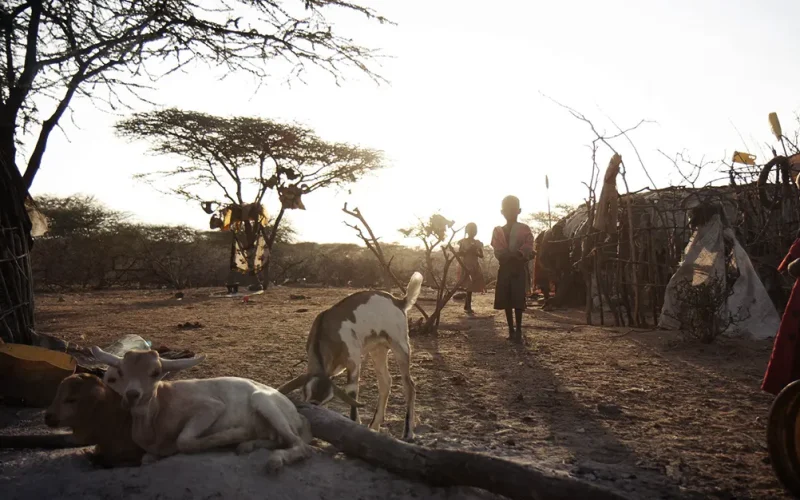
INFORMATION and communication technologies (ICTs) hold great potential to expand African economies. They include mobile banking platforms, internet-enabled communication devices and e-government services. All of these can enhance financial inclusion and improve services for citizens. Kenya’s mobile money transfer platform, M-Pesa, for instance, has given millions of people access to banking services. And Rwanda’s e-government platform has streamlined public service delivery for its citizens. Mobile phones have given more people access to the internet. There were 63.94 million active cellular mobile connections in Kenya at the start of 2023, against a population of 50 million. But the digital divide continues…
Read More
South Africa’s 2022 census may not be accurate enough for official use: demographers explain what went wrong

South Africa’s 2022 census may not be accurate enough for official use: demographers explain what went wrong

THE 2022 South African census set an undesirable record: it is the census with the highest undercount among those where the undercount is measured and reported by the United Nations Population Division. The reported undercount of 31% is some 10 percentage points higher than the previous highest notified undercount (in Comoros in 2017). While the results from the 2022 South African census, released in October 2023, were adjusted for the undercount, it means the results are more estimates than counts, producing a number of anomalies in the census data. These call their usefulness into question. A census is, primarily, as…
Read More
‘People started to point the finger’: How the M23 conflict endangers DR Congo’s Tutsi communities

‘People started to point the finger’: How the M23 conflict endangers DR Congo’s Tutsi communities

This story was originally published by The New Humanitarian. By Andrei Popoviciu and Emmet Livingstone THE war between the Democratic Republic of the Congo’s military and the Tutsi-led M23 armed group is having a harmful impact on the country’s Rwandophone Tutsi communities, some of whom have been unfairly typecast as rebel collaborators. Interviews with nearly a dozen Tutsi civilians underscore the diverse ways their communities have been affected by the war, which began in late 2021 and has seen the M23 seize large chunks of eastern DRC with the military backing of neighbouring Rwanda. “People started to point the finger…
Read More
Kenya’s protests are different this time: 3 things that make it harder for government to crush them

Kenya’s protests are different this time: 3 things that make it harder for government to crush them

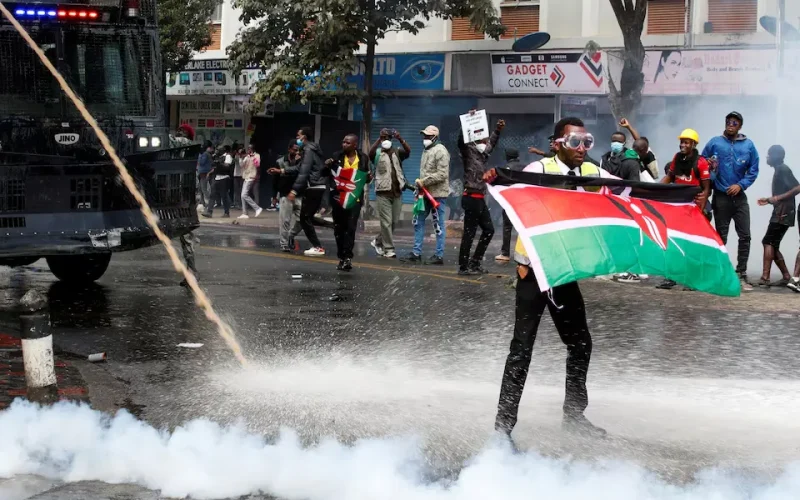
ON 25 June 2024, a youth-led protest primarily composed of Gen Zs, as they are popularly referred to, stormed Kenya’s parliament. Legislators voted to pass the Finance Bill 2024 in its third and last reading ahead of presidential assent. This was the second countrywide protest over the proposed taxes in the draft law and excesses in government spending. The finance bill is a framework that determines how the government raises revenue. The Kenyan government had proposed raising US$2.7 billion by increasing taxes on essential goods and services, from cooking oil to bread. The bill also targeted digital revenue, where the…
Read More
Namibia’s sodomy laws have been overturned – what that means for LGBTIQ+ rights in the country

Namibia’s sodomy laws have been overturned – what that means for LGBTIQ+ rights in the country

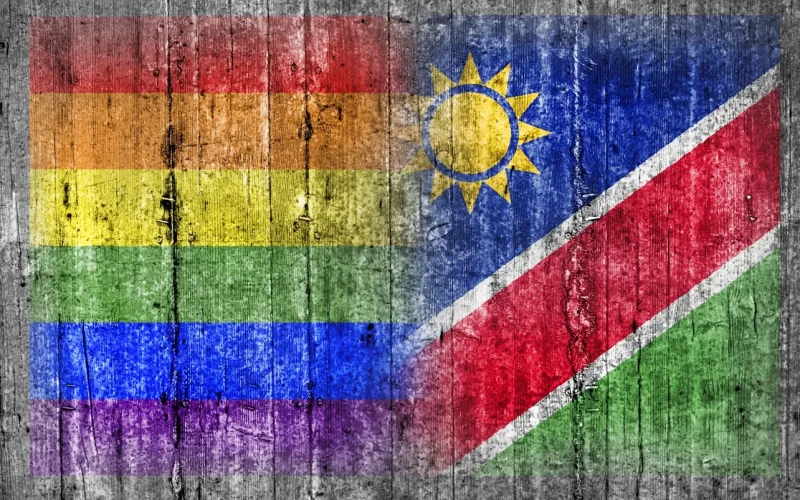
THE Namibian high court recently invalidated the country’s colonial-era “sodomy law”, which had made consensual sexual acts between men a criminal offence. The court declared that the common law offences of “sodomy” and “unnatural sexual offences” were unconstitutional. This ruling follows a separate decision in 2023 where Namibia’s supreme court ruled to recognise certain same-sex unions contracted outside the country. These two cases are being celebrated as victories for LGBTIQ+ rights in the country and the continent – following similar rulings in South Africa (1998), Botswana (2019) and Mauritius (2023). We asked human rights law lecturer John Nakuta about the…
Read More
Africa doesn’t have a choice between economic growth and protecting the environment: how they can go hand in hand

Africa doesn’t have a choice between economic growth and protecting the environment: how they can go hand in hand

HEATHROW Airport in the UK currently uses more energy than the entire West African country of Sierra Leone. Despite Africa accounting for less than 4% of all global greenhouse gas emissions, many of its countries face significant threats from climate change, including increased droughts, floods, heat waves and potential crop failures. Climate change costs the continent US$5 billion to US$7 billion yearly, a figure projected to reach US$50 billion by 2030. Estimates suggest its impact could push 50 million Africans below the poverty line, while 100 million are at risk of being displaced. At the same time, around 600 million…
Read More
How democracy can work at community level: 3 lessons from a South African protest movement

How democracy can work at community level: 3 lessons from a South African protest movement

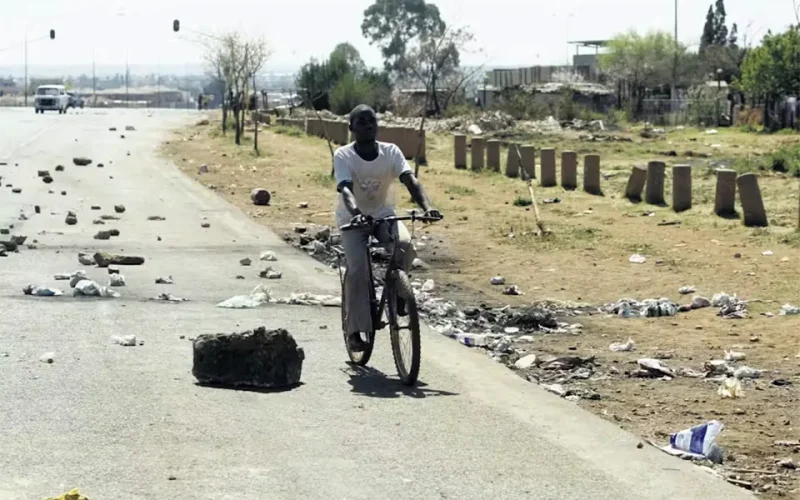
POPULAR protests have surged around the world over the last decade. But do they work? And what lessons can be learnt from communities who have a history of militant protests? When the African National Congress (ANC) was elected to power in South Africa’s first democratic elections in 1994, many believed that popular protests, which were the norm in the fight against apartheid, would no longer be necessary. It was assumed that the party would deliver quality housing and education, safety and economic prosperity to the previously oppressed black majority. But by the late 1990s popular protests in communities affected by…
Read More
Kenya unrest: the deep economic roots that brought Gen-Z onto the streets

Kenya unrest: the deep economic roots that brought Gen-Z onto the streets

THE generation of Kenyans born between 1997 and 2012 – the Gen-Zs – have borne the brunt of the country’s slow economic growth. If a country has slow economic growth, it typically experiences higher unemployment rates, reduced income levels and decreased investments. It leads to an overall lower living standard. Over the last 10 years, between 2013 and 2023, Kenya’s average growth rate has been 4.52%. This is less than half of the 10% growth rate that President Mwai Kibaki had envisaged in Vision 2030. The national development plan’s goal was to transform Kenya into a middle-income country providing a…
Read More