Our website use cookies to improve and personalize your experience and to display advertisements (if any). Our website may also include cookies from third parties like Google Adsense, Google Analytics, and Youtube. By using the website, you consent to the use of cookies.

Ordinary white South Africans and apartheid – bound to a racist system they helped prop up

Ordinary white South Africans and apartheid – bound to a racist system they helped prop up

IN South Africa, apartheid was a divisive political system entrenched by a white minority who regarded other ethnic groups as inferior, creating townships on the outskirts of cities to house the black population and legislation to control their movements. Many academic studies have focused on black life under apartheid, but few on white life – and even fewer on the role of working-class whites in the system. A new book, Ordinary Whites in Apartheid South Africa: Social Histories of Accommodation, does exactly that. We asked historian Neil Roos about his study. What’s the book’s premise? Paul Weinberg/Wits University Press Apartheid…
Read More
Kenya protests: Ruto pulling the finance bill is unlikely to satisfy angry young protesters – here’s why

Kenya protests: Ruto pulling the finance bill is unlikely to satisfy angry young protesters – here’s why

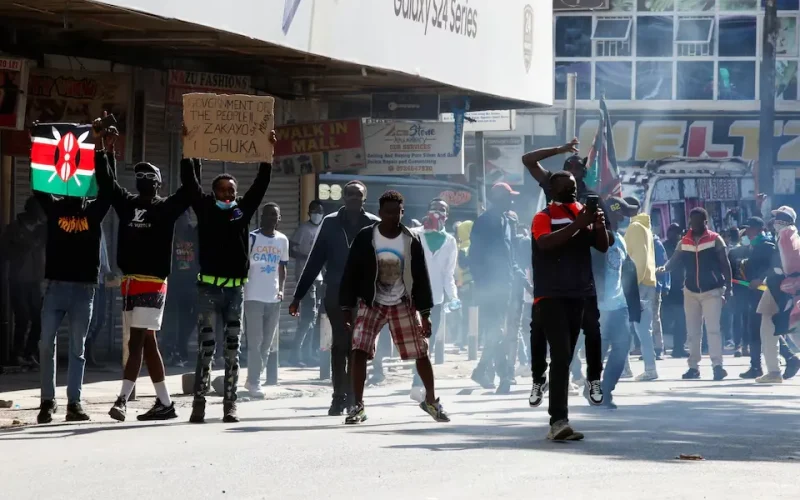
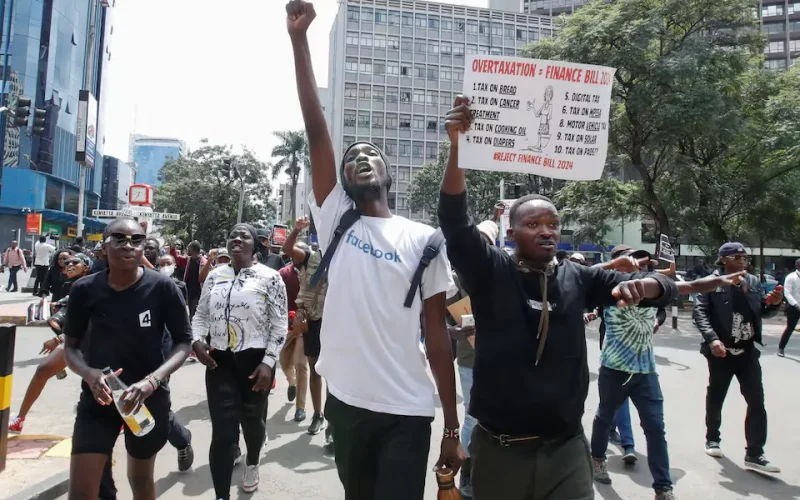
IN a move that shocked observers, Kenya’s President William Ruto announced on 26 June he was withdrawing his government’s highly controversial finance bill. This followed two days in which tens of thousands of mostly young protesters took to the streets in nationwide rallies against the proposals contained in the country’s 2024 budget. Kathleen Klaus, who has studied political violence in Kenya, unpacks what drove the protesters. Did rising prices trigger the protests in Kenya? Sharp rises in livelihood goods, especially food and fuel, often serve as a trigger for protest and social unrest. This has been documented by several academic…
Read More
Kenya’s finance bill: Why has it triggered protests?

Kenya’s finance bill: Why has it triggered protests?

YOUTH-LED protests against the Kenyan government's plans to raise revenue through additional taxes are expected to intensify when lawmakers vote on proposed amendments to the bill. At least one person has been killed and more than 200 injured since protests against the finance bill swept the country earlier this month. Here are some details about the tax proposals: WHY THE FINANCE BILL? A finance bill is usually presented to parliament before the start of a financial year that runs from July to June, laying out the government's fiscal plans. In the 2024/25 bill, the Kenyan government aims to raise $2.7 billion in…
Read More
Kenya protests: Gen Z shows the power of digital activism – driving change from screens to the streets

Kenya protests: Gen Z shows the power of digital activism – driving change from screens to the streets

NATIONWIDE demonstrations have erupted in Kenya over a controversial tax bill. The Finance Bill 2024, initially presented to parliament in May, has sparked discontent with an increase in an array of taxes and levies for Kenyans. The mass protests, initially organised in the capital city, Nairobi, have spread across the country. Demonstrations have taken place in almost every city and major town. Digital media and activism expert Job Mwaura shares his insights into how the protests were mobilised on online, and then onto the streets. How are Kenyans using the digital space in this movement? This is a powerful moment…
Read More
EU migration policy is getting tougher: the 3 new tactics used to keep African migrants out

EU migration policy is getting tougher: the 3 new tactics used to keep African migrants out

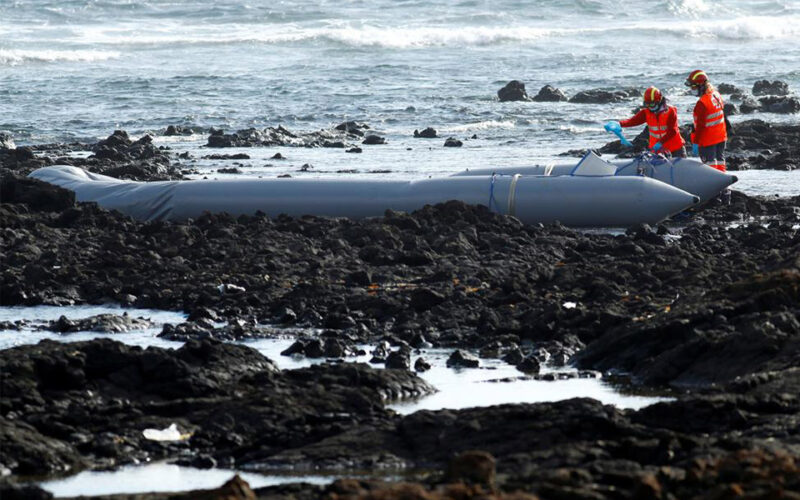
NEARLY a decade has passed since migration to Europe from Africa and the Middle East reached a peak in 2015, referred to as the year of the “migrant crisis”. Over a million people from Africa and the Middle East applied for asylum in the European Union (EU). Since then, numbers have continued to be high. In 2023 the number of migrants who reached Europe’s shores through the Mediterranean Sea was 275,000, up from about 180,000 in 2022. To control the influx of migrants, the EU and several of its member states have introduced closed-door policies – strict control measures at…
Read More
Mandela’s protégé Ramaphosa on the cusp of securing his legacy

Mandela’s protégé Ramaphosa on the cusp of securing his legacy

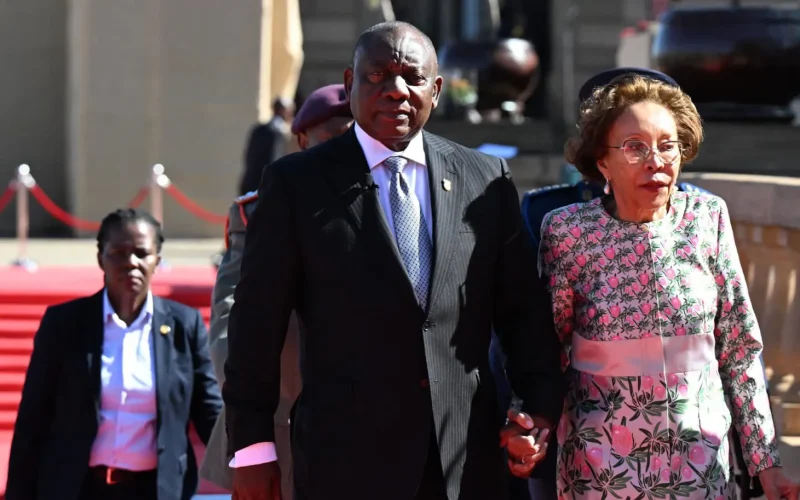
PRESIDENT Cyril Ramaphosa was spot-on when he said during his inauguration as democratic South Africa’s 5th president: “Today is no ordinary day.” That summed up the totality of the wide-ranging complex themes and sub-themes in the lead-up to his inauguration. It was a ceremony that could have easily eluded him. Having managed a mere 40% in the May 29 elections, President Ramaphosa has been typically humble and respectful of the electorate. Just as he said at the Gallagher Estate in Midrand when he delivered his speech of acceptance of the results - and the entire election process conducted by the…
Read More
Students on the frontline: South Africa and the US share a history of protest against white supremacy

Students on the frontline: South Africa and the US share a history of protest against white supremacy

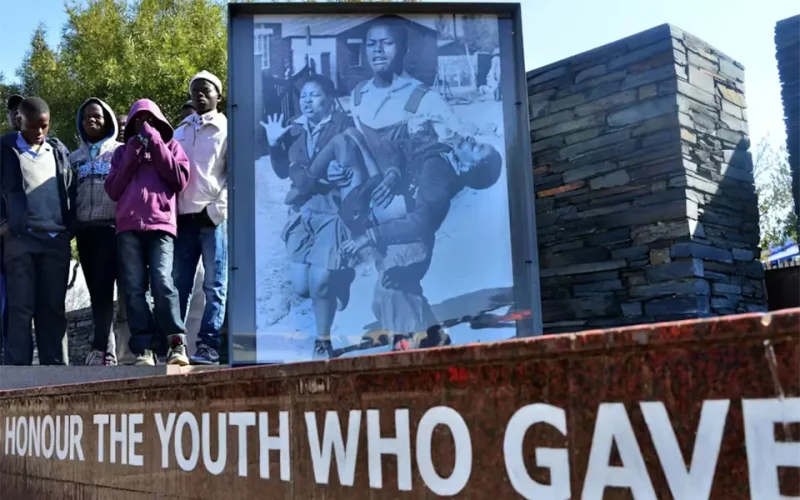
EVERY year on 16 June, South Africa commemorates the revolt of black school children against the inferior “bantu education” system on that day in 1976. The horror of police shooting and killing unarmed children caused a global uproar. Historian Rico Devara Chapman’s research interests include a focus on the African diaspora’s historical and contemporary struggles for justice, particularly student activism in the United States and South Africa. We asked him about similarities between student revolts under the systems of apartheid in South Africa and Jim Crow in the United States. You draw parallels between Jim Crow and apartheid. Please explain.…
Read More
Sudan food emergency: local researcher unpacks scale of the disaster and what action is needed

Sudan food emergency: local researcher unpacks scale of the disaster and what action is needed

THE UN recently warned of the risk of famine in Sudan. The war between the army and the paramilitary Rapid Support Forces has killed civilians and devastated livelihoods on a massive scale. Around 18 million people are already acutely hungry, including 3.6 million children who are acutely malnourished. Oliver Kiptoo Kirui, who co-authored the Sudan National Household Survey – conducted in the midst of war – provides insights on the scale of the country’s food emergency. What’s the food security situation in Sudan? Acute food security is measured on a widely accepted 5-stage classification. It increases in severity from “minimal”…
Read More
Hydropower damages river systems in Africa: how more solar and wind power can solve this problem

Hydropower damages river systems in Africa: how more solar and wind power can solve this problem

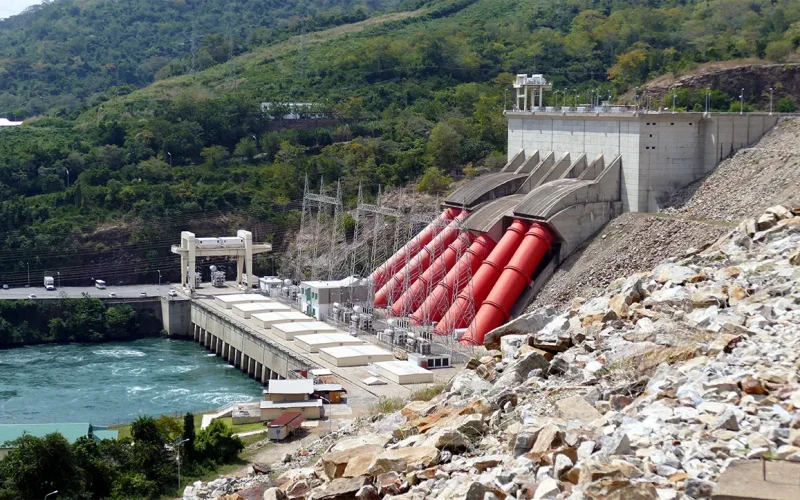
ACROSS the African continent, more than 300 new hydropower projects are planned to meet the growing demand for electricity. Some of these will require big dams, which can have major negative environmental impacts. Another looming problem with hydropower is that the water cycle is affected by climate change. Water availability will be reduced and become more variable in some locations in the next decades. We are a team of environmental and energy systems researchers. Energy systems is the study of how energy can be produced to meet the demands of the different sectors of society. Environmental systems modelling is used…
Read More
South African voters shifted support in 2024 but that’s nothing new – surveys after previous elections showed party loyalty was fluid

South African voters shifted support in 2024 but that’s nothing new – surveys after previous elections showed party loyalty was fluid

TO the casual observer, the outcome of South Africa’s 2024 national and provincial elections, which herald a new era of national coalition governance, may appear to represent new electoral trends. But that is not the case. While the shift in voting patterns is certainly the largest the country has seen since democratic elections began, voter fluidity – people shifting their votes from one election to the next – has been a growing trend among the South African electorate since at least 2016. The 2024 general election is a watershed moment in South Africa’s democracy. For the first time in 30…
Read More