Our website use cookies to improve and personalize your experience and to display advertisements (if any). Our website may also include cookies from third parties like Google Adsense, Google Analytics, and Youtube. By using the website, you consent to the use of cookies.

South Africa election: What happens after ANC loses majority?

South Africa election: What happens after ANC loses majority?

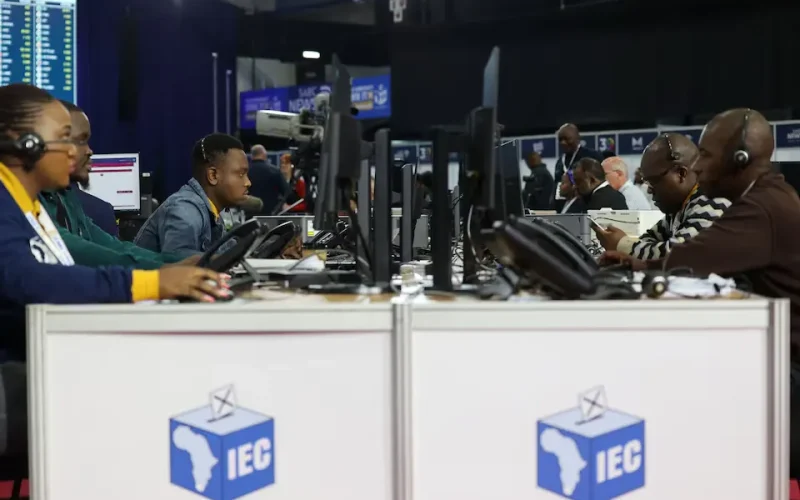
FOR the first time in South Africa's democratic era, the African National Congress (ANC) will have to seek a coalition partner to govern with after it was on course to fall well short of a majority in the national election. Here are scenarios of what could happen next in South Africa and which parties the ANC might partner with: WILL RAMAPHOSA GET OUSTED? With results in from over 60% of polling stations, the ANC had just under 42% of votes, by far its worst result since democratic elections began after the end of apartheid in 1994 and leaving it short of a…
Read More
Ghana’s anti-LGBTIQ+ bill is being challenged in the Supreme Court. Why the decision to broadcast it live matters

Ghana’s anti-LGBTIQ+ bill is being challenged in the Supreme Court. Why the decision to broadcast it live matters

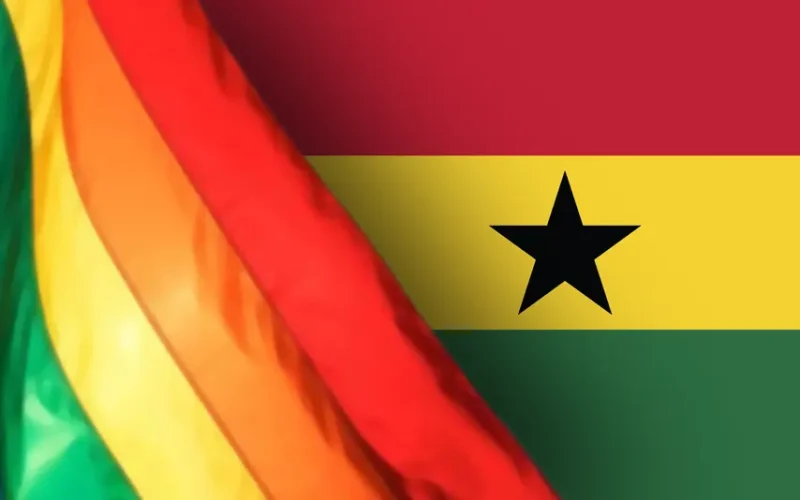
GHANA’S Supreme Court is live televising its proceedings on the country’s controversial anti-LGBTQI+ bill. This was on the request of Ghana’s attorney general, who cited public interest and transparency. The country’s parliament passed the bill in February 2024 amid global furore and local outcry. The bill criminalises not only LGBTQI+ relationships but also those who support queer rights. After it was passed, two citizens filed a case before the country’s highest court, to restrain the president of Ghana from making the bill law. They have asked the court to rule that the bill contravenes aspects of Ghana’s constitution and should…
Read More
Horn of Africa droughts: how a network of groundwater bores could help – study

Horn of Africa droughts: how a network of groundwater bores could help – study

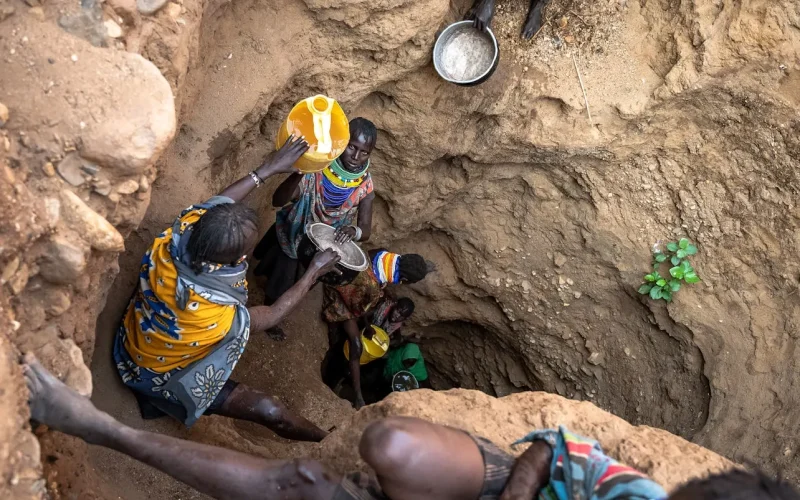
THE Horn of Africa recently suffered its worst drought in almost half a century, and its sixth failed rainfall season in a row. Fifty million people were directly affected and 100 million more were indirectly affected. About 20 million people risked acute food insecurity and potential famine, 4.4 million required humanitarian aid, and refugees fleeing drought and floods numbered in the hundreds of thousands. To help solve these problems, the governments of Kenya, Ethiopia, Djibouti, South Sudan and Uganda, and three United Nations agencies, launched the Groundwater Access Facility on 7 May. It aims to develop a plan to extract…
Read More
How does South Africa’s 2024 election work?

How does South Africa’s 2024 election work?

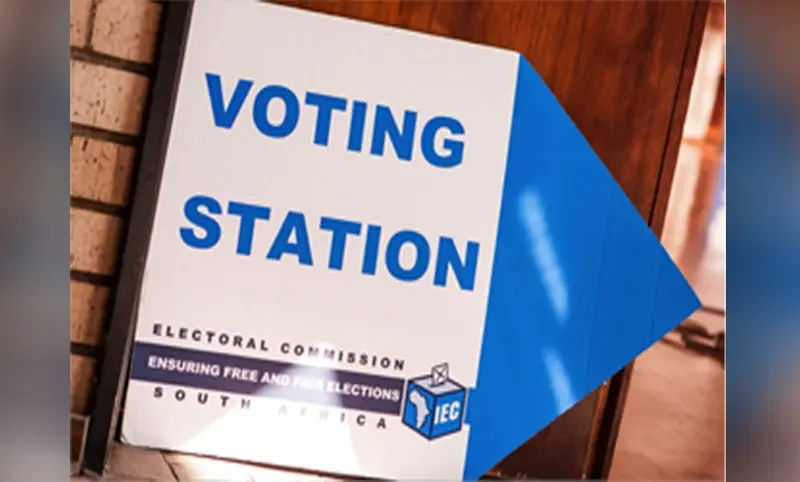
SOUTH Africans vote in national and provincial elections on May 29 that polls suggest could loosen the African National Congress' 30-year grip on power. After the vote, the new National Assembly will choose the country's next president from among its members. Below are facts about the election and the voting process. HOW DOES SOUTH AFRICA'S ELECTORAL SYSTEM WORK? South African voters will go to the polls to elect a 400-member National Assembly, as they have done every five years since the end of apartheid in 1994. The lawmakers will then elect the country's next president. Each political party will be allocated a number of…
Read More
South African communities vs Shell: high court victories show that cultural beliefs and practices count in climate cases

South African communities vs Shell: high court victories show that cultural beliefs and practices count in climate cases

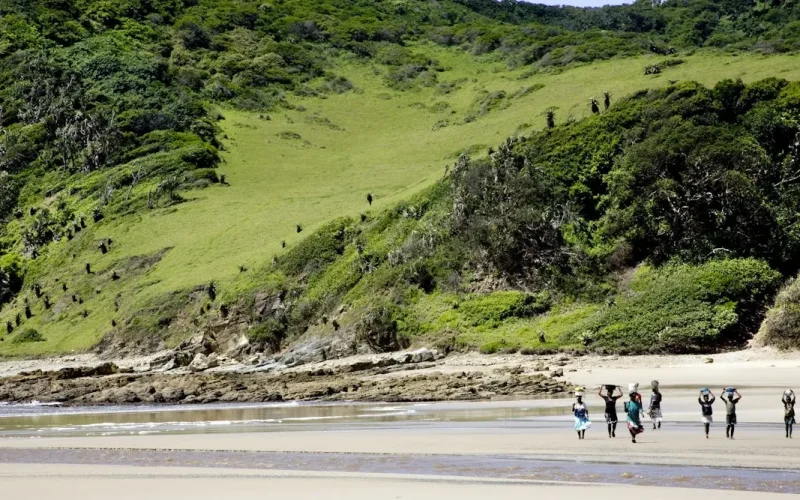
WHEN the Shell Petroleum Company announced in 2021 that it wanted to explore fossil fuels off South Africa’s pristine Wild Coast, Indigenous communities in the area immediately fought back through the country’s courts. In two separate cases, the communities successfully challenged Shell. They won both cases, winning an interim interdict to put Shell’s exploration on hold and having the company’s exploration right set aside. Shell is appealing the second ruling on several, largely procedural, grounds; that process got underway in the Supreme Court of Appeal on 17 May this year. If the Supreme Court of Appeal upholds the High Court’s…
Read More
Rwanda’s role in eastern DRC conflict: why international law is failing to end the fighting

Rwanda’s role in eastern DRC conflict: why international law is failing to end the fighting

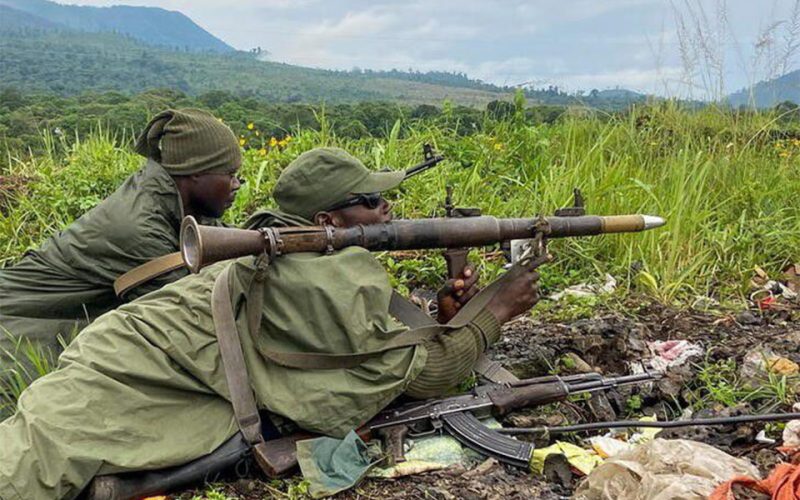
THE power of international law lies in its potential to offer alternatives to force and violence. The ideal is that states submit their grievances to a court rather than duke them out on a battlefield, or carry them out against civilians. As concerns armed violence, there are two international courts that countries can engage in. The first is the International Court of Justice (ICJ). It is the world’s oldest international court, with jurisprudential roots that reach back to the 19th century. The ICJ applies international law, the law of treaties, to states. It operates based on state consent – when…
Read More
TikTok in Kenya: the government wants to restrict it, but my study shows it can be useful and empowering

TikTok in Kenya: the government wants to restrict it, but my study shows it can be useful and empowering

EVERY day, 750 million people around the world engage with TikTok – the short-video sharing app. Kenyans are among its top users. According to a Reuters Institute Digital News Report 2023, 54% of Kenyans sampled used TikTok for general purposes, the highest proportion among the countries in the survey. They also use TikTok to express themselves and connect with others. The app, launched in 2018, has become an integral part of social media culture, offering a space for creativity, entertainment and community interaction. It’s particularly known for its memetic videos, which often feature lip-syncing, dance routines and comedic skits. But…
Read More
Christianity is changing in South Africa as Pentecostal and indigenous churches grow – what’s behind the trend

Christianity is changing in South Africa as Pentecostal and indigenous churches grow – what’s behind the trend

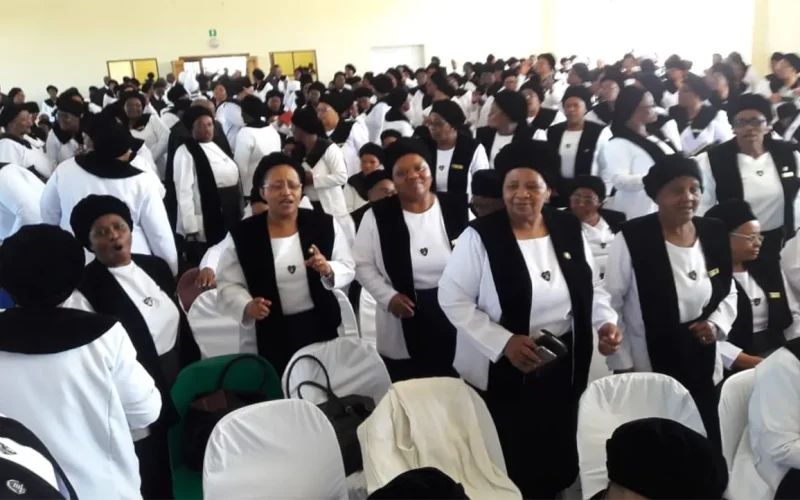
STUDIES show that South Africa is one of only three countries in the world where religious participation has increased in recent years. The other two countries are Italy and the US. The 2022 Census data show that South Africa’s Christian adherence has once again increased. However, the kinds of Christianity that are growing, and those that are declining, tell us some interesting things about the religious, cultural, social and political sentiments of South Africans. Only 2.9% of the population claimed to have no religious views at all – this means that 96.1% of South Africans profess or practise some form…
Read More
Zimbabwe’s likely to abolish the death penalty: how it got here and what it means for the continent

Zimbabwe’s likely to abolish the death penalty: how it got here and what it means for the continent

ZIMBABWE is likely to abolish capital punishment, following a cabinet decision on 7 February 2024. However, its parliament still has to endorse the move and pass the necessary law enabling the change. The question is when this will happen, especially since it appears that it would require a constitutional amendment. When this happens, Zimbabwe will not only draw a line under a long-standing colonial legal import but also bolster continental and regional trends towards abolition. It will also provide certainty to – and spare the lives of – the 62 prisoners currently on death row. The change was initiated by…
Read More
In post-coup Niger, migration becomes legal again

In post-coup Niger, migration becomes legal again

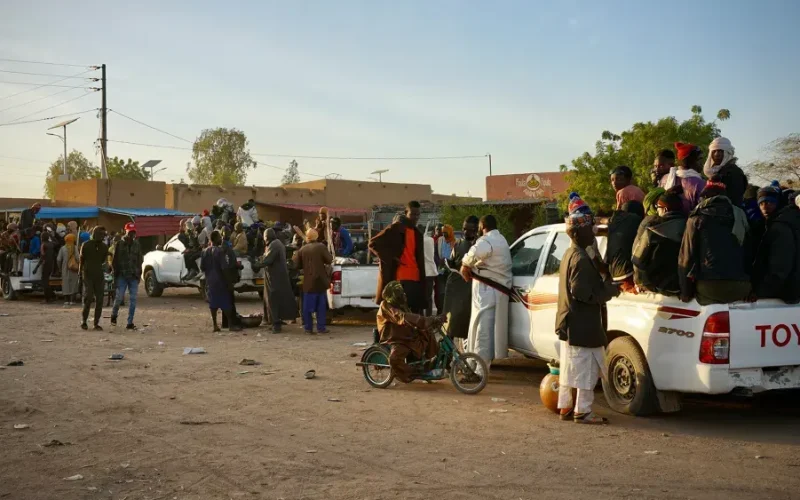
SINCE deposing the elected government last July, Niger’s ruling military government has shaken up the country’s relationship with its one-time Western partners. In rapid succession, the new government expelled French soldiers from the country repealed a 2015 law that had been a cornerstone of EU efforts to curb migration and then cancelled two EU missions working with Nigerien security forces on a number of issues, including fighting jihadist militants and stopping the movement of people from West Africa toward Europe. Now, Niger’s ruling junta has revoked a military cooperation agreement with the United States, potentially forcing around 1,000 US troops to leave the country. The move further entrenches…
Read More